Determining Your Generational Identity

Generations are defined by shared experiences and cultural influences. Understanding your generational identity can provide insights into your values, beliefs, and behaviors. If you’re questioning whether or not you’re a Gen Z, this comprehensive guide will help you determine your place in the generational landscape.
Defining Gen Z
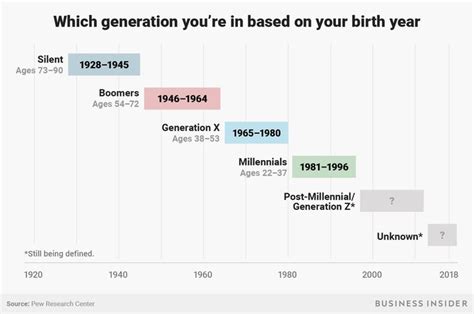
Gen Z, also known as Zoomers or iGen, is the generation born between 1997 and 2012. According to the Pew Research Center, Gen Z is the most diverse and digitally connected generation in history, shaped by a childhood immersed in technology and the internet.
Key Characteristics of Gen Z
- Digital Natives: Gen Zers are the first generation to grow up with constant access to the internet and mobile devices. They’re comfortable with technology and use it seamlessly in all aspects of their lives.
- Entrepreneurial Spirit: Gen Zers have a strong entrepreneurial streak and are eager to pursue their passions. They’re comfortable taking risks and starting their own businesses.
- Social Justice Advocates: Gen Z is deeply concerned about social and environmental issues. They’re active in advocating for change and promoting equality.
- Mental Health Awareness: Gen Z prioritizes mental health and seeks support when needed. They’re open about their experiences and actively work to destigmatize mental health issues.
- Independent and Resourceful: Gen Zers are independent and resourceful. They’re comfortable making decisions on their own and finding solutions to problems.
Am I a Gen Z?
Answer the following questions to determine your generational identity:
1. When were you born?
- If you were born between 1997 and 2012, you’re likely a Gen Z.
2. How familiar are you with technology?
- Gen Zers are extremely comfortable with technology. If you’re comfortable using multiple devices and navigating digital platforms, you might be a Gen Z.
3. How important are social issues?
- Gen Z is passionate about social and environmental justice. If you’re deeply concerned about these issues and actively advocate for change, you might be a Gen Z.
4. How do you approach mental health?
- Gen Zers prioritize mental health and seek support when needed. If you’re comfortable talking about mental health and actively work to destigmatize it, you might be a Gen Z.
5. How independent are you?
- Gen Zers are independent and resourceful. If you’re comfortable making decisions on your own and finding solutions to problems, you might be a Gen Z.
If you answered “yes” to most of these questions, you’re likely a Gen Z.
Understanding Gen Z Values and Motivations
Values:
- Diversity and Inclusion
- Social Justice
- Environmental Sustainability
- Authenticity
- Entrepreneurialism
Motivations:
- Making a difference in the world
- Pursuing their passions
- Achieving financial success
- Balancing work and personal life
- Creating a better future
Addressing Gen Z’s Pain Points
Understanding Gen Z’s pain points is crucial for businesses and organizations seeking to connect with this generation.
- Financial Challenges: Gen Z is facing financial challenges such as rising college costs and student debt.
- Mental Health Concerns: Gen Z struggles with mental health issues, including anxiety and depression.
- Climate Anxiety: Gen Z is deeply concerned about the climate crisis and its potential impact on their future.
Meeting Gen Z’s Needs
Companies and organizations can meet Gen Z’s needs by:
- Providing Financial Support: Offering financial assistance and scholarships to help Gen Z overcome financial barriers.
- Supporting Mental Health: Creating programs and initiatives that support mental health and well-being.
- Addressing Climate Change: Taking action to combat climate change and mitigate its effects.