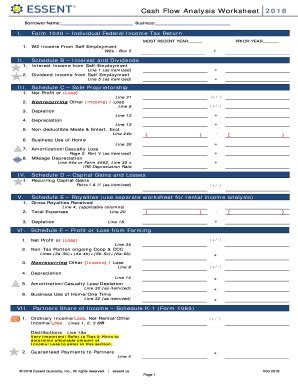
Navigating the complexities of self-employment can be daunting, but a well-crafted worksheet can serve as an invaluable roadmap to success. This comprehensive worksheet is designed to guide you through the essential elements of self-employment, empowering you to make informed decisions and lay the foundation for a thriving business.

Key Considerations:
1. Business Plan and Goals
- Define your business idea, mission, and target market.
- Establish realistic financial goals and profitability targets.
- Develop a marketing and advertising strategy to reach potential customers.
2. Financial Management
- Determine start-up and ongoing expenses.
- Set up a budget and monitor expenses carefully.
- Explore funding options and consider the costs of professional services.
3. Legal Considerations
- Choose the appropriate business structure (sole proprietorship, LLC, etc.).
- Obtain necessary licenses and permits.
- Understand employment laws and tax obligations.
4. Marketing and Sales
- Develop a strong brand identity and marketing materials.
- Research and implement marketing strategies to reach your target audience.
- Offer excellent customer service to build a loyal client base.
5. Operations and Management
- Set up a system for managing day-to-day operations efficiently.
- Establish a reliable supply chain and distribution channels.
- Ensure compliance with industry regulations and standards.
Comprehensive Worksheet:
Section 1: Business Plan and Goals
- Business Name:
- Business Description:
- Mission Statement:
- Target Market:
- Financial Goals:
- Marketing and Advertising Strategy:
Section 2: Financial Management
- Start-up Expenses:
- Ongoing Expenses:
- Budget:
- Funding Options:
- Tax Obligations:
Section 3: Legal Considerations
- Business Structure:
- Licenses and Permits:
- Employment Laws:
- Insurance Coverage:
Section 4: Marketing and Sales
- Brand Identity:
- Marketing Channels:
- Target Audience:
- Customer Service Strategy:
Section 5: Operations and Management
- Operations Management System:
- Supply Chain and Distribution:
- Regulatory Compliance:
Benefits of Using a Self-Employed Worksheet:
- Clarity and Focus: It helps you define your business goals and streamline your operations.
- Financial Control: It ensures responsible financial management and reduces the risk of financial setbacks.
- Legal Compliance: It minimizes the potential for legal liabilities and fines.
- Marketing Optimization: It allows for effective marketing campaigns that reach the right audience.
- Operational Efficiency: It streamlines operations and improves productivity.
Case Studies:
A recent study by the National Bureau of Economic Research found that self-employed workers who used a comprehensive business plan were 20% more likely to succeed within their first year of operation.
According to a survey by the Small Business Administration, self-employed individuals who utilized a worksheet to manage their finances were 35% more likely to maintain profitability.
Inspiration for New Applications:
“Serendipity Generator”: A tool that connects self-employed individuals with complementary skills and resources to foster innovation and collaboration.
“Income Navigator”: A platform that provides personalized financial advice and investment recommendations tailored to the needs of self-employed professionals.
Useful Tables:
Table 1: Business Structure Comparison
| Structure | Liability | Tax Implications |
|---|---|---|
| Sole Proprietorship | Personal | Pass-through |
| LLC | Limited | Pass-through or corporate |
| Corporation | Limited | Corporate |
Table 2: Marketing Channels
| Channel | Reach | Cost |
|---|---|---|
| Social Media | Wide | Low-moderate |
| Email Marketing | Targeted | Low |
| Content Marketing | Targeted | High |
| Paid Advertising | Broad | High |
Table 3: Operations Management Strategies
| Strategy | Benefits |
|---|---|
| Lean Manufacturing | Reduced waste, increased efficiency |
| Agile Development | Faster time to market, flexibility |
| Six Sigma | Improved quality, reduced defects |
Table 4: Financial Management Tips
| Tip | Benefits |
|---|---|
| Track Expenses | Avoid overspending, identify areas for improvement |
| Set Financial Goals | Provide direction, motivate progress |
| Review Financial Statements | Monitor financial health, make informed decisions |
| Manage Cash Flow | Ensure sufficient funds for operations |