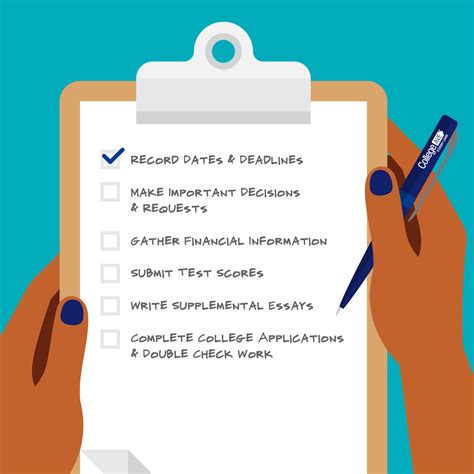
As students gear up for the 2024 college admissions cycle, it’s crucial to have a clear roadmap to navigate the competitive landscape. This comprehensive checklist will serve as a valuable guide for high school juniors and seniors, providing essential steps and deadlines to ensure a successful application process.
1. Academic Performance
- Maintain a strong GPA with a focus on core academic subjects.
- Take challenging coursework, including honors, AP, and IB classes.
- Excel in standardized tests such as the ACT and SAT.
2. Extracurricular Activities
- Engage in meaningful extracurricular activities that align with your interests and passions.
- Hold leadership positions and make significant contributions to your school and community.
- Explore your interests through clubs, sports, arts, or volunteerism.
3. College Search
- Research colleges that match your academic goals, interests, and career aspirations.
- Attend college fairs and visit campuses to get a firsthand experience.
- Talk to college students and alumni to gather insights.
4. Admissions Essays
- Start brainstorming and writing your personal statement early on.
- Craft essays that showcase your unique qualities, experiences, and motivations.
- Seek feedback from teachers, counselors, or writing centers to improve your essays.
5. Letters of Recommendation
- Request letters of recommendation from teachers or counselors who know you well and can attest to your academic abilities and character.
- Provide them with information about your achievements and aspirations to help them write strong letters.
6. Transcript and Standardized Test Scores
- Gather your official high school transcript and standardized test scores.
- Send them to colleges using an official score-reporting service.
7. Financial Aid
- Determine your financial need and explore scholarship opportunities.
- Submit the Free Application for Federal Student Aid (FAFSA) by the deadline to qualify for federal aid.
- Research college-specific scholarships and grants.
8. Deadlines and Timeline
- Summer of Junior Year: Begin researching colleges and start brainstorming for your personal statement.
- Fall of Junior Year: Take challenging courses, participate in extracurricular activities, and request letters of recommendation.
- Spring of Junior Year: Take the ACT or SAT for the first time.
- Summer of Senior Year: Finalize your college list, perfect your essays, and send in your applications.
- Fall of Senior Year: Attend college visit days, follow up on applications, and prepare for potential interviews.
Benefits of Following the Score 2024 Checklist
- Improved academic performance: By setting high academic standards, you’ll be better prepared for college coursework.
- Increased extracurricular involvement: Engaging in meaningful activities will not only enhance your resume but also develop your leadership skills and character.
- Informed college search: Researching colleges will help you find institutions that align with your aspirations and needs.
- Well-crafted essays: Writing strong essays will showcase your unique abilities and motivations to college admissions officers.
- Timely application submission: Meeting deadlines ensures that your application materials are received and processed on time.
- Increased access to financial aid: Early financial aid planning can help you minimize the financial burden of college.
Inspiring Quotes
“The only way to do great work is to love what you do.” – Steve Jobs
“The future belongs to those who believe in the beauty of their dreams.” – Eleanor Roosevelt
“Education is the key to unlocking the world, a passport to freedom.” – Oprah Winfrey
Useful Tables
Table 1: Key Deadlines for the 2024 College Admissions Cycle
| Deadline | Task |
|---|---|
| October 1, 2023 | Early Decision and Early Action Applications |
| November 1, 2023 | Common Application opens |
| December 1, 2023 | FAFSA opens |
| January 1, 2024 | Regular Decision Application Deadlines |
| March 1, 2024 | Financial Aid Priority Deadline |
Table 2: Standardized Test Comparison
| Test | Score Range | Average Score | Difficulty |
|---|---|---|---|
| ACT | 1-36 | 20.1 | Moderate |
| SAT | 400-1600 | 1050 | Challenging |
Table 3: College Admissions Statistics
| Year | Applications Received | Acceptance Rate |
|---|---|---|
| 2021-2022 | 16.1 million | 51% |
| 2022-2023 | 17.3 million | 49% |
| 2023-2024 | Estimated 18.5 million | 47% (projected) |
Table 4: Financial Aid Sources
| Type of Aid | Eligibility | Funding Source |
|---|---|---|
| Grants | Financial need | Federal and state government |
| Scholarships | Merit-based | Private organizations, colleges, and individuals |
| Loans | Financial need or merit | Federal government, banks, and private lenders |