Introduction
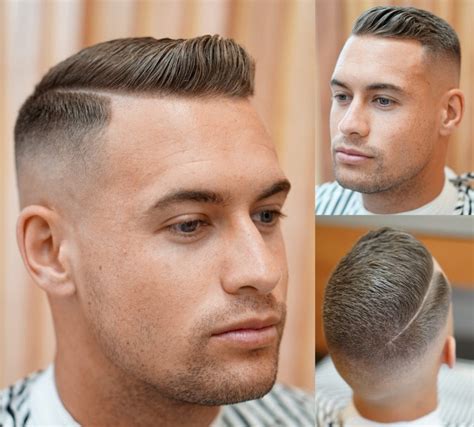
For centuries, military personnel have sported clean-cut, practical haircuts that prioritize functionality and discipline. Today, the military cut has transcended its military origins, gaining widespread popularity among civilians seeking a stylish and low-maintenance hairstyle. This guide will delve into the history, variations, benefits, and styling tips of the military cut, empowering you with the knowledge to make an informed decision about whether this hairstyle suits your needs.

History of the Military Cut
The origins of the military cut can be traced back to ancient Greece, where hoplites wore short hair to prevent opponents from grabbing their locks during combat. The Romans adopted this practice, and by the Middle Ages, short hair had become synonymous with soldiers across Europe. In the 17th century, Prussian King Frederick the Great standardized the military cut, requiring his troops to have hair cropped close to the head for hygiene and uniformity.
Variations of the Military Cut
While the military cut is generally characterized by short, cropped hair, there are several variations to accommodate different face shapes and personal preferences:
-
Induction Cut: The shortest version of the military cut, typically involves shaving the head completely.
-
Butch Cut: Slightly longer than the induction cut, the butch cut leaves about 1/4 inch of hair on the head.
-
Burr Cut: Similar to the butch cut, the burr cut features hair slightly longer than 1/4 inch.
-
Flat Top: This distinctive cut involves short, flat hair on the top of the head, with the sides shaved close.
-
Crew Cut: A hybrid of the burr cut and flat top, the crew cut features a short, trimmed top that is slightly longer than the sides.
Benefits of the Military Cut
- Low Maintenance: Military cuts are incredibly easy to maintain, requiring minimal styling products or time commitment.
- Hygienic: The short hair reduces the accumulation of dirt and bacteria, promoting scalp health.
- Versatile: Despite its military origins, the military cut can complement a wide range of styles and outfits.
- Suited for Active Lifestyles: The short hair minimizes distractions and keeps the head cool during strenuous activities.
Styling Tips for the Military Cut
- Use a High-Quality Clipper: Invest in a clipper with sharp blades to achieve a clean, precise cut.
- Trim Regularly: Regular trims every 2-3 weeks help maintain the shape and prevent split ends.
- Use Styling Products Sparingly: If desired, use a small amount of mousse or pomade to add volume or tame flyaways.
- Avoid Over-Washing: Wash your hair every 2-3 days with a mild shampoo to prevent dryness and scalp irritation.
- Consider a Leave-In Conditioner: A leave-in conditioner can help moisturize and soften the hair, especially after washing.
Drawbacks of the Military Cut
- Not Suitable for All Face Shapes: Military cuts may not be flattering for certain face shapes, such as long or oval faces.
- Can Look Severe: The short length and clean lines of the military cut can give a somewhat severe or masculine appearance.
- Not Always Professionally Accepted: In some professional environments, military cuts may be considered too casual or unprofessional.
- Frequent Trims Required: To maintain its shape, the military cut requires frequent trims, which can be time-consuming and expensive.
FAQs
- Q: What is the best type of clipper for a military cut?
-
A: A high-quality electric clipper with sharp blades, such as a Wahl or Andis clipper.
-
Q: How often should I trim my military cut?
-
A: Every 2-3 weeks to maintain its shape and prevent split ends.
-
Q: Can I wear a military cut if I have a long or oval face?
-
A: Military cuts may not be as flattering for long or oval faces, as they can accentuate the length or narrowness of the face.
-
Q: Is the military cut suitable for professional environments?
-
A: The appropriateness of a military cut in a professional environment depends on the specific workplace and culture.
-
Q: How do I style a military cut with a flat top?
-
A: Using a clipper with a guard, trim the hair on the top of the head to a length of about 1-2 inches. Blend the sides and back of the head into the flat top using a shorter guard size.
-
Q: How can I avoid over-washing my hair with a military cut?
- A: Wash your hair every 2-3 days with lukewarm water and a mild shampoo to prevent dryness and scalp irritation.
Conclusion
The military cut has evolved from its military roots to become a versatile and stylish hairstyle for both military personnel and civilians alike. Its low maintenance, hygienic, and versatile nature make it an ideal choice for those seeking a practical and professional-looking haircut. By understanding the variations, benefits, drawbacks, and styling tips associated with the military cut, you can make an informed decision about whether this iconic hairstyle is right for you.