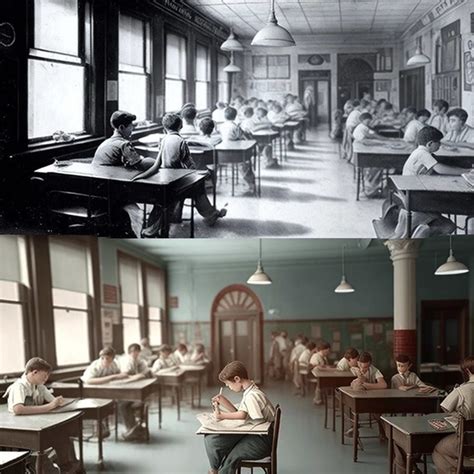
The classroom world is undergoing a profound transformation, driven by technological advancements, shifting educational paradigms, and a growing demand for personalized learning experiences.

Technology’s Imprint on the Classroom
Technology has become an indispensable tool in modern classrooms, enhancing teaching capabilities and facilitating student engagement.
- Interactive Whiteboards: Interactive whiteboards provide a dynamic platform for teachers to deliver interactive lessons, incorporating multimedia content and collaborative activities.
- Virtual Reality (VR) and Augmented Reality (AR): VR and AR technologies immerse students in virtual environments, allowing them to explore historical events, scientific concepts, and distant cultures.
- Learning Management Systems (LMS): LMSs facilitate online learning by providing centralized access to course materials, assignments, and assessment tools.
The Shift from Traditional to Personalized Learning
Traditional teacher-centered instruction models are giving way to more personalized learning approaches that cater to individual student needs and learning styles.
- Flipped Classrooms: Students access pre-recorded lectures outside of class, freeing up classroom time for active learning, discussions, and hands-on activities.
- Differentiated Instruction: Teachers tailor instruction to meet the diverse needs of students, providing tailored lesson plans, assignments, and support.
- Project-Based Learning: Students engage in real-world projects that align with their interests and learning objectives.
The Rise of Blended Learning
Blended learning models combine elements of online and in-person instruction, providing flexibility and personalized learning experiences.
- Online Courses: Students access online courses to supplement their in-person learning, providing opportunities for independent study and additional support.
- Hybrid Classrooms: Students rotate between online and in-person instruction, allowing them to customize their learning paths.
- MOOCs (Massive Open Online Courses): MOOCs offer free or low-cost online courses tailored to a wide range of subject areas and levels.
Future-Proofing the Classroom World
As technology and educational paradigms continue to evolve, educators and educational institutions must embrace innovative approaches to prepare students for the challenges and opportunities of the 21st century.
- Adaptive Learning: AI-powered adaptive learning platforms tailor content and activities to each student’s specific needs and learning pace.
- Gamification: Game-based learning strategies motivate students by incorporating elements of gameplay into educational activities.
- Experiential Learning: Hands-on activities, field trips, and internships provide students with real-world experiences that enhance their understanding and skill development.
Conclusion
The classroom world is undergoing a remarkable evolution, shaping the future of education. By embracing technology, personalizing learning experiences, and future-proofing educational practices, teachers and institutions can create classrooms that empower students to succeed in an ever-changing world.
Tables
Table 1: Technology in the Classroom
| Technology | Benefits |
|---|---|
| Interactive Whiteboards | Enhance engagement, facilitate collaboration |
| VR and AR | Immersive learning experiences, exploration of distant concepts |
| Learning Management Systems | Centralized access to materials, assessment tools |
Table 2: Personalized Learning Approaches
| Approach | Benefits |
|---|---|
| Flipped Classrooms | Free up classroom time for active learning |
| Differentiated Instruction | Cater to individual student needs |
| Project-Based Learning | Real-world experiences, alignment with interests |
Table 3: Blended Learning Models
| Model | Benefits |
|---|---|
| Online Courses | Flexibility, additional support |
| Hybrid Classrooms | Customization of learning paths |
| MOOCs | Free or low-cost access to a wide range of courses |
Table 4: Future-Proofing the Classroom
| Approach | Benefits |
|---|---|
| Adaptive Learning | Tailored content and activities |
| Gamification | Motivation through gameplay elements |
| Experiential Learning | Real-world experiences, enhanced understanding |