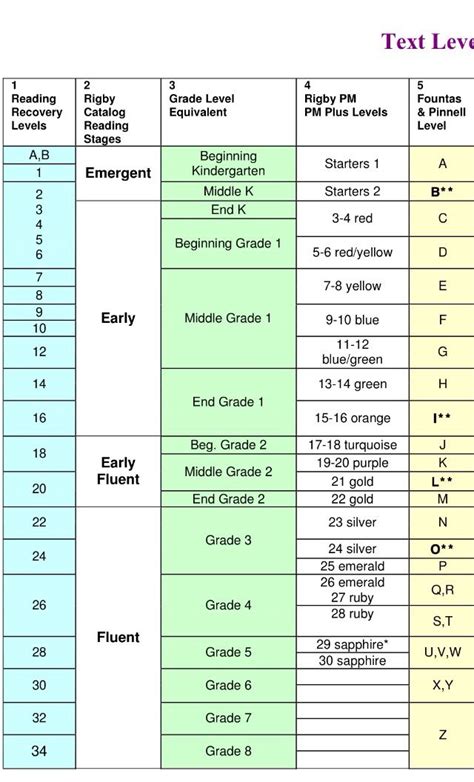
A benchmark grade is an assessment of a student’s performance relative to a set of standards. This can be done through a variety of methods, including standardized tests, teacher-made assessments, and portfolio assessments. The results of a benchmark grade can be used to identify students who are struggling and need additional support, as well as to track student progress over time.
Why Benchmark Grades Matter
Benchmark grades are important because they provide a way to measure student progress and identify areas where students may need additional support. This information can be used to make informed decisions about instruction and to ensure that all students are learning at the expected level.
According to the National Center for Education Statistics, students who receive regular feedback on their progress are more likely to succeed in school. Benchmark grades can provide this feedback by showing students how they are doing in comparison to their peers and to the standards. This information can help students to stay on track and to make necessary adjustments to their study habits.
How Benchmark Grades Are Assessed
Benchmark grades can be assessed in a variety of ways. Some of the most common methods include:
- Standardized tests: Standardized tests are assessments that are given to all students in a school or district. The results of these tests are used to compare students’ performance to the performance of other students in the same grade level and to state or national standards.
- Teacher-made assessments: Teacher-made assessments are assessments that are created by individual teachers. These assessments can be used to measure student progress in a specific subject area or skill.
- Portfolio assessments: Portfolio assessments are collections of student work that are used to assess student progress over time. Portfolios can include a variety of work samples, such as essays, projects, and performances.
Uses of Benchmark Grades
Benchmark grades can be used for a variety of purposes, including:
- Identifying students who are struggling: Benchmark grades can be used to identify students who are not meeting expectations. This information can be used to provide additional support to these students.
- Tracking student progress: Benchmark grades can be used to track student progress over time. This information can be used to identify students who are making progress and to identify students who may need additional support.
- Making informed decisions about instruction: Benchmark grades can be used to make informed decisions about instruction. This information can be used to identify areas where students need additional support and to develop instructional plans that are tailored to individual student needs.
Conclusion
Benchmark grades are an important tool for assessing student progress and identifying areas where students may need additional support. This information can be used to make informed decisions about instruction and to ensure that all students are learning at the expected level.
Table 1: Benefits of Benchmark Grades
| Benefit | Description |
|---|---|
| Identify students who are struggling | Benchmark grades can help to identify students who are not meeting expectations and need additional support. |
| Track student progress | Benchmark grades can be used to track student progress over time and identify areas where students may need additional support. |
| Make informed decisions about instruction | Benchmark grades can be used to make informed decisions about instruction and develop instructional plans that are tailored to individual student needs. |
| Motivate students | Benchmark grades can motivate students to learn and achieve their goals. |
Table 2: Challenges of Implementing Benchmark Grades
| Challenge | Description |
|---|---|
| Time-consuming: Benchmark grades can be time-consuming to develop and administer. | |
| Difficult to interpret: Benchmark grades can be difficult to interpret and may not be meaningful to all stakeholders. | |
| Can be biased: Benchmark grades can be biased against certain groups of students, such as students from low-income families or students with disabilities. | |
| May not be aligned with curriculum: Benchmark grades may not always be aligned with the curriculum, which can make it difficult to use them to make informed decisions about instruction. |
Table 3: Tips for Implementing Benchmark Grades
| Tip | Description |
|---|---|
| Involve stakeholders: Involve stakeholders, such as teachers, administrators, and parents, in the development and implementation of benchmark grades. | |
| Use a variety of assessment methods: Use a variety of assessment methods to ensure that benchmark grades are valid and reliable. | |
| Provide clear instructions: Provide clear instructions to teachers and students on how to use benchmark grades. | |
| Use benchmark grades to inform instruction: Use benchmark grades to inform instruction and make decisions about how to best meet the needs of students. | |
| Monitor and evaluate benchmark grades: Monitor and evaluate benchmark grades to ensure that they are being used effectively. |
Table 4: Resources for Implementing Benchmark Grades
| Resource | Description |
|---|---|
| National Center for Education Statistics | The National Center for Education Statistics provides resources on benchmark grades and other assessment topics. |
| Council of Chief State School Officers | The Council of Chief State School Officers provides resources on benchmark grades and other education topics. |
| National Association of Elementary School Principals | The National Association of Elementary School Principals provides resources on benchmark grades and other education topics. |