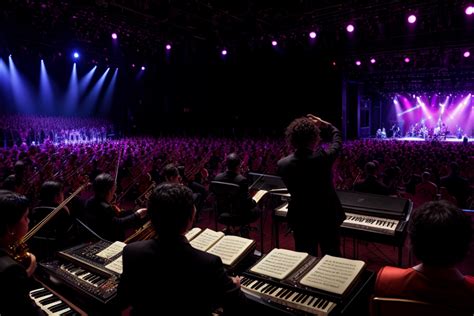
Instrumental music is a broad genre that encompasses any music created without words or vocals. It can be performed by a wide range of instruments, from soloists to large orchestras. The possibilities are endless when it comes to instrumental music, and there are many unique and diverse styles.

Classical Music
Classical music is a form of instrumental music that has been written and performed for centuries. It is often characterized by its complex melodies, harmonies, and rhythms. Classical music can be classified into several subgenres, including:
- Baroque music (1600-1750): This style is known for its ornamented melodies, complex counterpoint, and use of harpsichord and other keyboard instruments.
- Classical period (1750-1820): This period saw the development of new forms and styles, such as the symphony, concerto, and sonata. Composers such as Mozart, Haydn, and Beethoven are associated with this period.
- Romantic period (1820-1900): Romantic music is characterized by its emotional intensity, use of large orchestras, and programmatic elements. Composers such as Tchaikovsky, Brahms, and Wagner are associated with this period.
- 20th-century classical music (1900-present): This period saw the emergence of new musical styles, such as impressionism, expressionism, and serialism. Composers such as Debussy, Stravinsky, and Schoenberg are associated with this period.
Jazz Music
Jazz music is a lively and improvisational genre that emerged in the early 20th century. It is characterized by its syncopated rhythms, use of blue notes, and solo improvisation. Jazz music can be classified into several subgenres, including:
- Traditional jazz (1900-1920): This style is characterized by its use of Dixieland and New Orleans influences.
- Swing jazz (1930-1950): This style is characterized by its danceable rhythms and use of big bands.
- Bebop jazz (1940-1950): This style is characterized by its fast tempos, complex harmonies, and use of virtuosic improvisation.
- Cool jazz (1950-1960): This style is characterized by its relaxed tempos, use of modal harmony, and lack of improvisation.
- Modal jazz (1960-1970): This style is characterized by its use of modes, rather than chords, as the basis for improvisation.
- Free jazz (1960-present): This style is characterized by its lack of traditional forms and structures, and its use of extended techniques.
Folk Music
Folk music is a traditional genre that has been passed down through generations. It is often characterized by its simple melodies, use of acoustic instruments, and lyrics that tell stories or express emotions. Folk music can be classified into several subgenres, including:
- Traditional folk music (pre-1900): This style is characterized by its use of traditional instruments, such as the fiddle, banjo, and guitar.
- Contemporary folk music (1900-present): This style is characterized by its use of modern instruments, such as the electric guitar and synthesizer.
- Singer-songwriter folk music (1960-present): This style is characterized by its focus on the songwriter’s own compositions.
Electronic Music
Electronic music is a genre that uses electronic instruments and technologies to create music. It is often characterized by its use of synthesizers, drum machines, and computers. Electronic music can be classified into several subgenres, including:
- Electroacoustic music (1930-present): This style is characterized by its use of acoustic instruments and electronic instruments.
- Electronic music (1950-present): This style is characterized by its use of electronic instruments only.
- Dance music (1970-present): This style is characterized by its use of repetitive beats and rhythms, and its focus on danceability.
- Ambient music (1980-present): This style is characterized by its use of atmospheric and ethereal sounds.
Wind Music
Wind music is a genre that is created by instruments that produce sound by blowing air through them. It can be classified into several subgenres, including:
- Symphonic band music (1900-present): This style is characterized by its use of a wide range of wind instruments, including woodwinds, brass, and percussion.
- Concert band music (1900-present): This style is characterized by its use of a smaller group of wind instruments, typically including woodwinds and brass.
- Marching band music (1900-present): This style is characterized by its use of wind instruments and percussion, and its focus on marching and performing.
String Music
String music is a genre that is created by instruments that produce sound by vibrating strings. It can be classified into several subgenres, including:
- Classical string music (1600-present): This style is characterized by its use of string instruments, such as the violin, viola, cello, and double bass.
- Folk string music (pre-1900): This style is characterized by its use of traditional string instruments, such as the fiddle, banjo, and guitar.
- Country string music (1900-present): This style is characterized by its use of acoustic string instruments, such as the guitar, fiddle, and mandolin.
- Bluegrass music (1900-present): This style is characterized by its use of acoustic string instruments, such as the guitar, fiddle, banjo, and mandolin, and its focus on harmony and improvisation.
Percussion Music
Percussion music is a genre that is created by instruments that produce sound by being struck. It can be classified into several subgenres, including:
- Orchestral percussion music (1600-present): This style is characterized by its use of a wide range of percussion instruments, such as drums, cymbals, and gongs.
- Concert percussion music (1900-present): This style is characterized by its use of a smaller group of percussion instruments, typically including drums and mallets.
- Drum and bugle corps (1900-present): This style is characterized by its use of drums, bugles, and other percussion instruments.
- World percussion music (pre-1900): This style is characterized by its use of traditional percussion instruments from around the world.
Conclusion
Instrumental music is a diverse and vibrant genre that encompasses a wide range of styles.