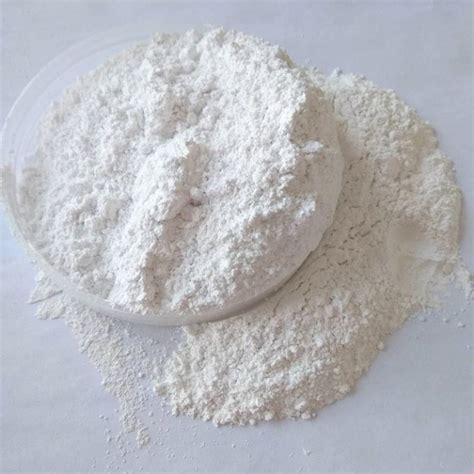
Calcium carbonate (CaCO3) is a naturally occurring mineral that is found in abundance in various forms, including limestone, marble, and chalk. It is a versatile material with a wide range of applications, from construction and agriculture to food and medicine. This article delves into the composition, properties, applications, and environmental concerns of CaCO3, exploring its multifaceted nature and significance.

Composition and Properties of CaCO3
Calcium carbonate is a chemical compound composed of calcium ions (Ca2+) and carbonate ions (CO32-). It exists in various crystalline forms, including calcite, aragonite, and vaterite, each with its unique crystal structure. CaCO3 is insoluble in water but soluble in acidic solutions.
Table 1: Physical and Chemical Properties of CaCO3
| Property | Value |
|---|---|
| Formula | CaCO3 |
| Molecular Weight | 100.09 g/mol |
| Density | 2.71 g/cm³ (calcite) |
| Hardness | 3 on Mohs scale |
| Crystal System | Trigonal |
| Melting Point | 1,339 °C |
| Color | White (pure) |
Applications of CaCO3
The versatile nature of CaCO3 makes it suitable for a wide range of applications. Some of its key uses include:
Construction
- Building Materials: CaCO3 is the primary component of limestone, which is used extensively in construction as building blocks, flooring, and facing stones.
- Cement: CaCO3 is used as a raw material in the production of cement, which is essential for making concrete.
- Filler: Ground calcium carbonate is used as a filler in paints, coatings, and plastics to improve their properties.
Agriculture
- Soil Amendment: CaCO3 is used as an agricultural soil amendment to neutralize acidic soils and provide calcium for plant growth.
- Fertilizer: Calcium carbonate is an ingredient in some fertilizers, providing essential nutrients to crops.
- Pesticide: CaCO3 is used as a carrier for pesticides, helping to disperse them effectively.
Food and Feed
- Dietary Supplement: CaCO3 is used as a calcium supplement in food products such as bread, cereals, and dairy products.
- Animal Feed: CaCO3 is added to animal feed to provide calcium for bone development and growth.
- Food Additive: CaCO3 is used as an anticaking agent in food products to prevent clumping.
Medicine and Health
- Antacid: CaCO3 is the active ingredient in many antacids, neutralizing stomach acids and providing relief from indigestion.
- Calcium Supplementation: CaCO3 is used as a calcium supplement to treat calcium deficiency and promote bone health.
- Pharmaceutical Ingredient: CaCO3 is used as a filler or excipient in some pharmaceutical products.
Environmental Concerns
While CaCO3 is generally considered safe, there are some environmental concerns associated with its use and production.
- Mining: Limestone mining can lead to environmental damage, including habitat loss and water pollution.
- Carbon Dioxide Emissions: The production of CaCO3 from limestone releases carbon dioxide (CO2) into the atmosphere, contributing to climate change.
- Waste Disposal: CaCO3-containing waste from industrial processes can pose disposal challenges, requiring proper management to avoid environmental harm.
Benefits of CaCO3 Use
The diverse applications of CaCO3 provide numerous benefits across different industries and sectors. Some of the key benefits include:
- Construction Durability: CaCO3-based building materials offer durability, strength, and resistance to weathering.
- Agricultural Productivity: CaCO3 improves soil health, enhances crop yields, and reduces fertilizer needs.
- Nutritional Value: CaCO3 contributes to calcium intake and supports bone health.
- Pharmaceutical Efficacy: CaCO3 enhances the effectiveness of certain medications and improves patient outcomes.
- Environmental Protection: CaCO3 can help neutralize acidic waste, reduce soil erosion, and promote carbon sequestration.
Tips and Tricks for CaCO3 Use and Applications
To maximize the benefits and minimize the potential risks of CaCO3 use, consider the following tips and tricks:
- Choose Sustainable Sources: Opt for CaCO3 from environmentally responsible mining operations.
- Optimize Use: Use CaCO3 efficiently to reduce waste and minimize environmental impact.
- Explore Innovative Applications: Research emerging applications of CaCO3 to harness its full potential.
- Consult Experts: Seek guidance from scientists, engineers, or industry professionals to ensure proper use and handling.
Table 3: Tips for CaCO3 Use in Specific Applications
| Application | Tips |
|---|---|
| Construction | Select high-quality limestone with low porosity and impurities. Use CaCO3-based sealants to enhance durability. |
| Agriculture | Determine soil pH before applying CaCO3. Avoid overapplication to prevent calcium toxicity. |
| Food and Feed | Use food-grade CaCO3 that meets safety standards. Ensure proper mixing and dispersion in food products. |
| Medicine | Follow recommended dosage guidelines for CaCO3 supplements. Consult a healthcare professional before use. |
Future Applications and “Calciophore”
As research continues to explore the multifaceted nature of CaCO3, novel applications and innovative uses are emerging. One promising concept is “calciophore,” a term coined to describe materials that can selectively bind and release calcium ions. Calciophores have the potential to revolutionize various industries, including:
- Medicine: Developing targeted drug delivery systems and diagnostic tools based on calcium ion exchange.
- Energy Storage: Creating efficient and cost-effective batteries using calciophore materials.
- Water Treatment: Removing heavy metals and other contaminants from water sources through selective calcium ion adsorption.
By harnessing the unique properties of CaCO3 and exploring its potential as a calciophore, we open up a world of possibilities for future innovations and advancements.
Table 4: Potential Future Applications of “Calciophore” Materials
| Industry | Application |
|---|---|
| Medicine | Targeted drug delivery, diagnostics |
| Energy | Efficient batteries |
| Water Treatment | Heavy metal removal, water purification |
| Advanced Materials | Selective ion exchange membranes, sensors |
Conclusion
Calcium carbonate (CaCO3) is a mineral with a wide range of applications, from construction and agriculture to food and medicine. Its versatility stems from its unique composition, properties, and environmental interactions. While there are some environmental concerns associated with its use, sustainable practices and efficient use can minimize these impacts. By embracing innovation and harnessing the potential of “calciophore” materials, we can unlock new frontiers for CaCO3 utilization in diverse industries, addressing critical challenges and fostering sustainable development.