Introduction

Livestock ranching, a pivotal component of agricultural practices worldwide, plays a multifaceted role in sustaining human societies and shaping the geographical landscapes. Understanding the definition and global relevance of livestock ranching is crucial for AP Human Geography students seeking to grasp the complexities of human-environment interactions. This article aims to provide a comprehensive overview of livestock ranching, its definitions, and its profound implications.
Defining Livestock Ranching
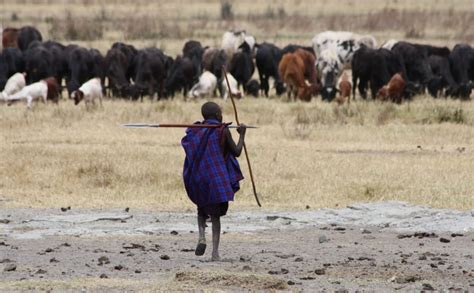
Livestock ranching can be defined as the raising of domesticated animals, primarily on natural pastures, for the production of food, fiber, and other products. Ranching involves the extensive management of large herds or flocks over vast areas of land. Typically, livestock are grazed on open ranges or enclosed pastures, with minimal human intervention.
Key Characteristics of Livestock Ranching
-
Industrial-Scale Production: Ranching is a large-scale industry, producing significant quantities of meat, dairy, wool, and other products to meet global food demands.
-
Land-Extensive: Ranching requires vast tracts of land, often located in arid or semi-arid regions with low human population densities.
-
Grazing-Based: Animals are primarily fed on natural vegetation, consuming grasses, shrubs, and other forage found in pastures.
-
Minimal Intervention: Unlike intensive livestock operations, ranching involves minimal human intervention, allowing animals to roam freely within designated areas.
Global Significance of Livestock Ranching
Livestock ranching is practiced in diverse regions across the globe, with different approaches and intensity levels. It holds immense importance for:
Food Security: Ranching provides a significant portion of the world’s meat, dairy products, and animal fibers. It contributes to global food security by providing a steady supply of animal-based proteins and other essential nutrients.
Economic Development: Ranching supports rural economies by creating employment opportunities, generating income, and fostering the development of related industries. In many regions, ranching is a way of life and cultural heritage.
Environmental Impact: While ranching can have environmental impacts, such as overgrazing and deforestation, it also plays a role in maintaining certain ecosystems. Managed grazing can help preserve grasslands and support biodiversity.
Types of Livestock Ranching
Ranching practices vary depending on the type of livestock and the geographical context. Common types of livestock ranching include:
-
Cattle Ranching: Raising cattle for meat, dairy products, and leather. Cattle ranching is prevalent in the Americas, Europe, and Australia.
-
Sheep Ranching: Raising sheep for wool, meat, and dairy products. Sheep ranching is practiced in regions with climates suitable for pasture-based grazing.
-
Goat Ranching: Raising goats for meat, fiber, and milk. Goat ranching is common in arid and semi-arid environments where goats can thrive on sparse vegetation.
Sustainability and Challenges in Livestock Ranching
As the global population continues to grow, the demand for livestock products is expected to increase. However, the sustainability of livestock ranching is challenged by issues such as:
-
Environmental Concerns: Overgrazing, deforestation, and water pollution are environmental concerns associated with ranching. Sustainable grazing practices and land management techniques are vital for mitigating these impacts.
-
Climate Change: Climate change is altering grazing patterns and threatening the productivity of ranching operations. Adapting to changing environmental conditions is essential for the long-term sustainability of ranching.
-
Land Use Competition: The expansion of agriculture, urbanization, and conservation efforts can lead to competition for land used for ranching. Finding sustainable ways to balance livestock production with other land uses is important.
Solutions and Innovations for Sustainable Ranching
To address sustainability challenges, innovative approaches and technologies are being developed, including:
-
Precision Grazing: Using technology to monitor animals and pasture conditions, enabling more efficient grazing practices.
-
Diversified Ranching: Integrating livestock production with other agricultural practices, such as crop farming and agroforestry, to improve land use efficiency.
-
Conservation Grazing: Using livestock to manage and restore degraded ecosystems by controlling invasive plants and promoting biodiversity.
Conclusion
Livestock ranching is an indispensable global industry that plays a critical role in food security, economic development, and environmental stewardship. Understanding its definition, the various types of ranching, and the sustainability challenges it faces is essential for AP Human Geography students to grasp the complex interactions between human activities and the natural world. By adopting sustainable practices and embracing innovation, livestock ranching can continue to provide for the world’s growing population while safeguarding the environment for future generations.
Key Figures
-
The global livestock sector accounts for approximately 14.5% of human-induced greenhouse gas emissions. (Food and Agriculture Organization of the United Nations, 2018)
-
Cattle ranching is the largest contributor to tropical deforestation worldwide. (World Wildlife Fund, 2020)
-
Nearly 60% of the world’s agricultural land is used for livestock grazing. (World Bank, 2019)
-
Livestock products are a major source of dietary protein for over 3 billion people worldwide. (International Livestock Research Institute, 2018)
Tables
Table 1: Types of Livestock Ranching
| Type | Animals | Products | Prevalent Regions |
|---|---|---|---|
| Cattle Ranching | Cattle | Meat, dairy, leather | Americas, Europe, Australia |
| Sheep Ranching | Sheep | Wool, meat, dairy | Temperate and alpine regions |
| Goat Ranching | Goats | Meat, fiber, milk | Arid and semi-arid regions |
| Bison Ranching | Bison | Meat, leather | North America |
Table 2: Environmental Impacts of Livestock Ranching
| Impact | Cause | Consequences |
|---|---|---|
| Overgrazing | Excessive grazing by animals | Soil erosion, loss of vegetation, biodiversity decline |
| Deforestation | Clearing of forest areas for pasture | Habitat loss, climate change |
| Water Pollution | Livestock waste runoff | Eutrophication, contamination of water sources |
Table 3: Sustainability Challenges in Livestock Ranching
| Challenge | Cause | Implications |
|---|---|---|
| Climate Change | Rising temperatures, altered precipitation patterns | Drought, heat stress, altered grazing patterns |
| Land Use Competition | Expansion of agriculture, urbanization, conservation | Reduced grazing land availability |
| Water Scarcity | Growing demand for water, climate change | Limited water availability for livestock |
Table 4: Solutions for Sustainable Livestock Ranching
| Solution | Description | Benefits |
|---|---|---|
| Precision Grazing | Using technology to monitor animals and pastures | Improved grazing efficiency, reduced overgrazing |
| Diversified Ranching | Integrating livestock production with other agriculture | Enhanced land use efficiency, crop-livestock synergies |
| Conservation Grazing | Using livestock to manage ecosystems | Invasive plant control, biodiversity restoration |