Introduction

Nose piercings have been a popular form of body modification for centuries, and they continue to be a trendy fashion statement today. Whether you’re considering getting a little nose piercing yourself or simply curious about the piercing process, this comprehensive guide will provide you with everything you need to know, from the history and symbolism of nose piercings to the practicalities of getting one.
History and Symbolism of Little Nose Piercings
Nose piercings have been documented in cultures around the world for thousands of years. In ancient India, nose piercings were worn by both men and women as a sign of wealth and status. In the Middle East, nose piercings were often worn by women to ward off evil spirits. In some African cultures, nose piercings were used to indicate a woman’s marital status.
Today, nose piercings are worn by people of all ages, genders, and cultures. They are a versatile fashion accessory that can be dressed up or down, and they can be a subtle way to express your individuality.
Little Nose Piercing Types
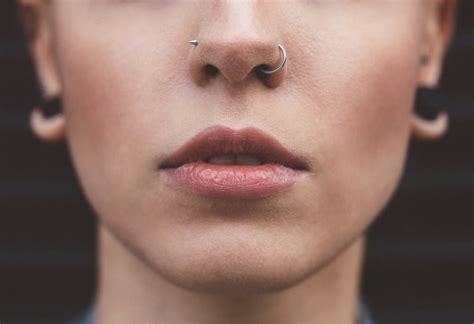
There are many different types of nose piercings, but the most common type is the nostril piercing. This piercing is placed through the soft tissue of the nostril, and it can be worn with a variety of jewelry, such as studs, hoops, and rings.
Other types of nose piercings include:
- Septum piercing: This piercing is placed through the septum, the cartilage that divides the nostrils.
- Bridge piercing: This piercing is placed horizontally across the bridge of the nose.
- Nasallang piercing: This piercing is placed vertically between the nostrils.
Getting a Little Nose Piercing: What to Expect
Getting a little nose piercing is a relatively simple procedure, but it’s important to be prepared for what to expect. Here’s a step-by-step guide to what you can expect during your piercing appointment:
- Consultation: Before you get your piercing, you’ll need to consult with a professional piercer. The piercer will discuss the different types of nose piercings, the jewelry options, and the aftercare instructions.
- Piercing: Once you’ve decided on the type of piercing you want, the piercer will clean the area and mark the piercing site. The piercing will then be done using a hollow needle.
- Jewelry: After the piercing is done, the piercer will insert the jewelry of your choice.
- Aftercare: The piercer will provide you with detailed aftercare instructions. It’s important to follow these instructions carefully to avoid infection and other complications.
Little Nose Piercing Care
Proper aftercare is essential for healing your nose piercing and preventing infection. Here are some tips for caring for your new piercing:
- Clean the piercing twice a day with a saline solution.
- Avoid touching the piercing with your hands.
- Don’t sleep on the piercing.
- Avoid swimming or soaking the piercing in water.
- Avoid using harsh soaps or chemicals on the piercing.
Little Nose Piercing Jewelry
There are many different types of jewelry that can be worn with a little nose piercing. The most common types of jewelry include:
- Studs
- Hoops
- Rings
- Bars
The type of jewelry you choose will depend on your personal style and the piercing location.
Little Nose Piercing Complications
Nose piercings are generally safe, but there are some potential complications that you should be aware of. These complications include:
- Infection
- Bleeding
- Swelling
- Pain
- Rejection
If you experience any of these complications, it’s important to see a doctor or piercer immediately.
Little Nose Piercing Cost
The cost of a little nose piercing will vary depending on the piercer, the piercing location, and the type of jewelry you choose. In general, you can expect to pay between $30 and $100 for a nose piercing.
Little Nose Piercing Conclusion
Nose piercings are a beautiful and versatile fashion accessory that can be enjoyed by people of all ages, genders, and cultures. If you’re considering getting a nose piercing, it’s important to do your research and find a reputable piercer. With proper care, your nose piercing will heal quickly and easily, and you’ll be able to enjoy your new piercing for years to come.
Frequently Asked Questions
Is it painful to get a little nose piercing?
The pain of getting a nose piercing varies from person to person. Some people report feeling a sharp pinch, while others say it’s more of a dull ache. The pain usually goes away within a few minutes.
How long does it take for a little nose piercing to heal?
A little nose piercing typically takes 6 to 8 weeks to heal. During this time, it’s important to keep the piercing clean and avoid touching it.
What are the signs of an infected nose piercing?
The signs of an infected nose piercing include:
- Redness
- Swelling
- Pain
- Pus
- Fever
If you experience any of these symptoms, it’s important to see a doctor or piercer immediately.
Can I change my nose piercing jewelry?
Yes, you can change your nose piercing jewelry once it has healed. However, it’s important to use sterile jewelry and to follow the piercer’s instructions for changing the jewelry.
What are the risks of getting a nose piercing?
The risks of getting a nose piercing include:
- Infection
- Bleeding
- Swelling
- Pain
- Rejection
It’s important to weigh the risks and benefits before getting a nose piercing.
Tables
Table 1: Little Nose Piercing Types
| Type | Description |
|---|---|
| Nostril piercing | Pierced through the soft tissue of the nostril |
| Septum piercing | Pierced through the septum, the cartilage that divides the nostrils |
| Bridge piercing | Pierced horizontally across the bridge of the nose |
| Nasallang piercing | Pierced vertically between the nostrils |
Table 2: Little Nose Piercing Jewelry
| Type | Description |
|---|---|
| Studs | Small, flat pieces of jewelry that are inserted into the piercing |
| Hoops | Curved pieces of jewelry that are inserted into the piercing |
| Rings | Circular pieces of jewelry that are inserted into the piercing |
| Bars | Straight pieces of jewelry that are inserted into the piercing |
Table 3: Little Nose Piercing Aftercare
| Step | Description |
|---|---|
| Clean the piercing twice a day with a saline solution | Use a cotton swab or gauze pad to gently clean the piercing. |
| Avoid touching the piercing with your hands | This can introduce bacteria to the piercing and cause infection. |
| Don’t sleep on the piercing | Sleeping on the piercing can irritate it and delay healing. |
| Avoid swimming or soaking the piercing in water | Water can contain bacteria that can cause infection. |
| Avoid using harsh soaps or chemicals on the piercing | These can irritate the piercing and delay healing. |
Table 4: Little Nose Piercing Complications
| Complication | Symptoms | Treatment |
|---|---|---|
| Infection | Redness, swelling, pain, pus, fever | Antibiotics |
| Bleeding | Blood coming from the piercing | Pressure to stop the bleeding |
| Swelling | Swelling around the piercing | Ice packs |
| Pain | Pain at the piercing site | Over-the-counter pain medication |
| Rejection | The body pushing the piercing out | Removal of the piercing |