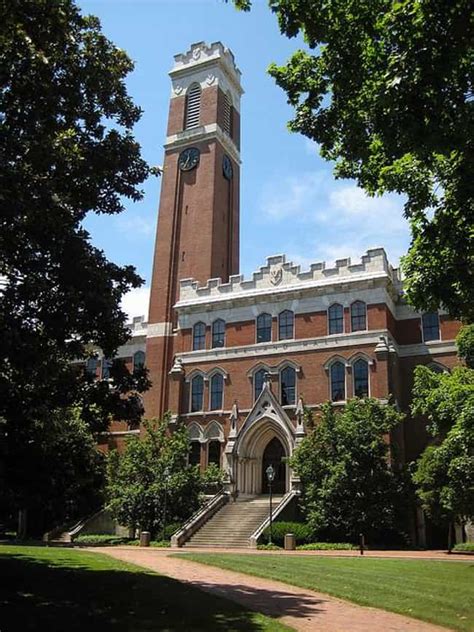
Introduction

The vibrant and diverse region of the American South is home to an array of esteemed higher education institutions. These colleges offer a plethora of academic programs, vibrant extracurricular activities, and thriving campus communities. For students seeking a transformative educational experience, here is a comprehensive guide to the top-ranked southern colleges, based on rigorous criteria from reputable organizations such as U.S. News & World Report and The Princeton Review.
Top 10 Southern Colleges
- Rice University (Houston, TX)
- Duke University (Durham, NC)
- University of Virginia (Charlottesville, VA)
- Vanderbilt University (Nashville, TN)
- University of North Carolina at Chapel Hill (Chapel Hill, NC)
- Emory University (Atlanta, GA)
- Texas A&M University at College Station (College Station, TX)
- Georgia Institute of Technology (Atlanta, GA)
- Clemson University (Clemson, SC)
- University of Florida (Gainesville, FL)
Academic Excellence
Southern colleges excel in academic pursuits, boasting world-renowned faculty and state-of-the-art research facilities. According to U.S. News & World Report, Rice University and Duke University consistently rank among the top 25 universities nationally for undergraduate teaching, with average class sizes of 17 and 18 students, respectively. The University of Virginia’s McIntire School of Commerce is highly regarded for its undergraduate business program, while Vanderbilt University’s Peabody College is a national leader in education.
Extracurricular Activities
Outside the classroom, southern colleges offer a vibrant array of extracurricular activities to engage students. The University of North Carolina at Chapel Hill boasts over 500 student organizations, including the largest marching band in the country. Duke University is known for its strong athletic programs, with its basketball team reaching the NCAA Final Four multiple times. Georgia Institute of Technology has an active robotics club, which competes internationally.
Campus Culture
Southern colleges foster a welcoming and inclusive campus culture that supports students’ personal growth and intellectual development. Clemson University is renowned for its strong sense of community, with over 60% of students participating in extracurricular activities. Emory University’s campus is located in the heart of Atlanta, providing students with access to a vibrant arts and culture scene. Texas A&M University at College Station has a rich military history and a strong cadet corps.
Top 10 Southern Colleges for Specific Majors
Engineering
- Rice University
- Georgia Institute of Technology
- Texas A&M University at College Station
- Vanderbilt University
- Clemson University
Business
- University of Virginia (McIntire School of Commerce)
- Duke University (Fuqua School of Business)
- Emory University (Goizueta Business School)
- Rice University (Jones Graduate School of Business)
- University of North Carolina at Chapel Hill (Kenan-Flagler Business School)
Medicine
- Duke University (School of Medicine)
- Vanderbilt University (School of Medicine)
- University of North Carolina at Chapel Hill (School of Medicine)
- Emory University (School of Medicine)
- University of Florida (College of Medicine)
Tips and Tricks for Applying
- Start early: Begin researching colleges and preparing your applications well in advance.
- Visit campuses: Schedule tours of potential schools to get a firsthand experience.
- Seek mentorship: Consult with teachers, counselors, and peers for guidance and support.
- Showcase your strengths: Highlight your academic achievements, extracurricular activities, and personal qualities that make you a competitive applicant.
- Tailor your applications: Customize your essays and supplemental materials to align with each college’s specific requirements and interests.
Common Mistakes to Avoid
- Lack of preparation: Not dedicating sufficient time and effort to the application process.
- Incomplete applications: Submitting applications with missing or incorrect information.
- Inattention to deadlines: Failing to meet submission deadlines can disqualify your application.
- Unimpressive essays: Writing essays that are generic, uninspired, or poorly written.
- Weak letters of recommendation: Not securing strong letters of support from teachers or mentors.
FAQs
-
What is the average cost of attending a southern college?
The average annual cost of tuition and fees for a public southern college is approximately $24,000, while for a private southern college it is around $48,000. -
What are the most popular majors at southern colleges?
The most popular majors at southern colleges include engineering, business, nursing, biology, and education. -
How large are the student bodies of southern colleges?
The student bodies of southern colleges vary in size, with some universities enrolling over 40,000 students, while others have less than 5,000 students. -
What are some unique extracurricular activities offered at southern colleges?
Southern colleges offer a wide range of unique extracurricular activities, such as equestrian clubs, Greek life, and outdoor adventure programs. -
How do southern colleges compare to other regions of the country?
Southern colleges are comparable to colleges in other regions of the country in terms of academic quality, but they tend to have a stronger focus on undergraduate teaching and smaller class sizes. -
What is the job market like for graduates of southern colleges?
Graduates of southern colleges are highly sought after by employers in various industries, with many graduates securing positions in major metropolitan areas and Fortune 500 companies. -
Can I receive financial aid to attend a southern college?
Most southern colleges offer financial aid packages to students who demonstrate financial need, including scholarships, grants, loans, and work-study programs. -
How diverse are southern colleges?
Southern colleges are becoming increasingly diverse, but they still lag behind other regions of the country in terms of racial and ethnic diversity.