Introduction

The Song Dynasty (960-1279) in China and the Feudal Era (9th-15th centuries) in Europe stand out as distinct historical periods characterized by significant cultural, political, and economic advancements. Despite their geographical separation and chronological differences, these two epochs exhibit remarkable parallels that shed light on the universal patterns of societal development.
Political Structures
Centralized Bureaucracy:
- Song Dynasty: Established a highly centralized imperial government with a complex bureaucratic system.
- Feudal Europe: Power was initially dispersed among feudal lords, but gradually consolidated into centralized monarchies with intricate administrative structures.
Meritocratic System:
- Song Dynasty: Implemented a civil service examination system that ranked candidates based on their knowledge and abilities.
- Feudal Europe: Introduced the concept of chivalry, which valorized merit and loyalty in military and courtly life.
Feudalism:
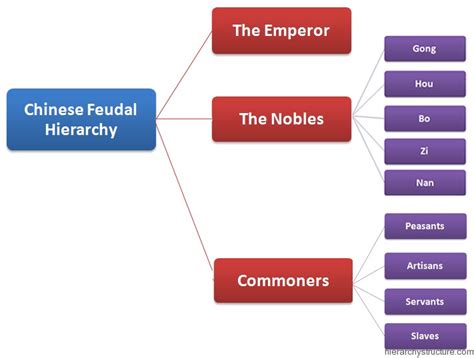
- Song Dynasty: Retained aspects of feudalism, where land was granted in exchange for military service.
- Feudal Europe: Feudalism structured society into a hierarchical system of nobles, knights, and serfs.
Economic Structures
Commercial Revolution:
- Song Dynasty: Experienced a rapid expansion of trade and commerce, leading to the development of urban centers and economic specialization.
- Feudal Europe: Embraced mercantilism, which promoted trade and economic competition.
Guilds and Trade Networks:
- Song Dynasty: Regulated trade through guilds, which played a vital role in economic organization.
- Feudal Europe: Merchants and artisans formed guilds to protect their interests and facilitate trade.
Paper Currency and Credit:
- Song Dynasty: Developed the first paper currency, banknotes, and a system of public credit.
- Feudal Europe: Gradually adopted paper currency and credit instruments, particularly in financial centers like Florence and Venice.
Cultural Developments
Urban Culture:
- Song Dynasty: Cities flourished as centers of commerce, culture, and intellectual pursuit.
- Feudal Europe: Towns and cities emerged as economic and cultural hubs, fostering the development of trade, guilds, and the arts.
Neo-Confucianism and Scholasticism:
- Song Dynasty: Neo-Confucianism became the dominant philosophical doctrine, emphasizing ethical principles and social harmony.
- Feudal Europe: Scholasticism, a blend of reason and Christian theology, shaped intellectual life in universities and monastic centers.
Art and Architecture:
- Song Dynasty: Known for its exquisite ceramics, scroll paintings, and monumental architecture, such as the Forbidden City.
- Feudal Europe: Produced stunning cathedrals, castles, tapestries, and illuminated manuscripts.
Technological Innovations
- Printing Press: Invented in China during the Song Dynasty, later introduced to Europe.
- Compass: Both China and Europe independently developed the compass, revolutionizing navigation.
- Gunpowder: Despite originating in China earlier, gunpowder weapons were widely adopted in Europe during the later stages of feudalism.
Table 1: Political Structures
| Feature | Song Dynasty | Feudal Europe |
|---|---|---|
| Centralized Bureaucracy | Yes | Yes |
| Meritocratic System | Yes | Yes |
| Feudalism | Partial | Yes |
Table 2: Economic Structures
| Feature | Song Dynasty | Feudal Europe |
|---|---|---|
| Commercial Revolution | Yes | Yes |
| Guilds and Trade Networks | Yes | Yes |
| Paper Currency and Credit | Yes | Yes |
Table 3: Cultural Developments
| Feature | Song Dynasty | Feudal Europe |
|---|---|---|
| Urban Culture | Yes | Yes |
| Philosophy | Neo-Confucianism | Scholasticism |
| Art and Architecture | Exquisite | Stunning |
Table 4: Technological Innovations
| Feature | Song Dynasty | Feudal Europe |
|---|---|---|
| Printing Press | Invented | Introduced |
| Compass | Developed | Developed |
| Gunpowder | Originated | Adopted |
Conclusion
The Song Dynasty and Feudal Europe, though separated by time and geography, exhibited a remarkable convergence in political, economic, cultural, and technological domains. Their centralized bureaucracies, meritocratic systems, commercial revolutions, urban cultures, and intellectual advancements were all testaments to the universal human capacity for innovation, organization, and societal progress. By exploring their similarities, we can gain a deeper understanding of the driving forces that shape human history and the interconnectedness of global civilizations.