Introduction

Dorm rooms can be cramped and confining, but elevating your bed can transform it into a cozy and functional space. Collegiate bed lofts offer a smart solution for students looking to maximize vertical space and create a more comfortable living environment. This article will delve into the myriad benefits, design considerations, and practical tips for using collegiate bed lofts to enhance your college experience.
The Need for Space Optimization in Dorm Rooms
- Limited Square Footage: College dorm rooms are notorious for their compact size, often ranging from 100 to 200 square feet.
- Multiple Functions: Dorm rooms serve as living quarters, study areas, and storage spaces, creating a space crunch.
- Need for Privacy and Personalization: Students desire a private and comfortable space to relax, study, and express their individuality.
How Collegiate Bed Lofts Solve the Space Issue
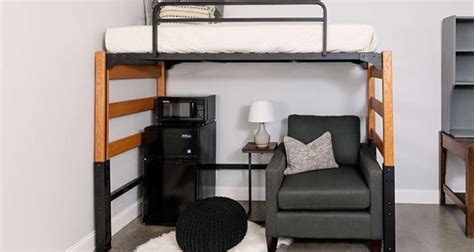
Collegiate bed lofts are elevated platforms that raise your bed off the floor, creating a vertical space below. This space can be utilized for various purposes, such as:
- Study Area: Create a dedicated study space with a desk, chair, and storage for books and supplies.
- Lounge Area: Transform the lower level into a cozy nook with a futon, bean bag, or pillows for relaxation and socializing.
- Storage and Organization: Utilize under-bed storage containers, shelves, and organizers to declutter and maximize storage capacity.
Benefits of Collegiate Bed Lofts
- Increased Space: Free up valuable floor space for other activities and create a more spacious living environment.
- Customization: Personalize your loft with curtains, lighting, and decorations to create a unique and inviting space.
- Enhanced Ergonomics: Elevated beds reduce back strain and improve posture, especially when working or studying at a desk.
- Improved Sleep Quality: Higher beds can provide a sense of privacy and security, leading to more restful sleep.
- Multifunctionality: Convert the space below your loft into a study zone, lounge area, or storage hub, maximizing the room’s functionality.
Design Considerations for Collegiate Bed Lofts
- Height: Loft heights vary from 30 inches to 72 inches, so choose a height that suits your needs and ceiling height.
- Materials: Lofts are typically made from metal, wood, or a combination of both. Consider durability, stability, and aesthetics.
- Assembly: Some lofts require assembly, so check the instructions and consider seeking assistance if necessary.
- Safety Features: Ensure the loft has guardrails and a sturdy base to prevent accidents and provide stability.
- Lighting: Install additional lighting below the loft to illuminate the workspace or create ambient lighting for relaxation.
Practical Tips for Using Collegiate Bed Lofts
- Maximize Space: Use under-bed storage containers, hanging organizers, and stackable drawers to maximize vertical space.
- Create a Cozy Nook: Add curtains, pillows, and throws to create a warm and inviting lounge area underneath the loft.
- Organize Your Study Area: Keep your study materials within reach by organizing them in shelves, drawers, or desk organizers.
- Safety First: Use a sturdy ladder to access the loft and avoid overloading the bed with excessive weight.
- Consider a Multipurpose Ladder: Choose a ladder that doubles as a bookcase, providing additional storage and style.
Conclusion
Collegiate bed lofts are a game-changer for students looking to elevate their dorm room experience. By utilizing vertical space, these lofts create a more spacious, comfortable, and functional living environment. Whether you need more space to study, relax, or store your belongings, a collegiate bed loft is an ideal solution. Consider the design considerations, practical tips, and benefits outlined in this article to make an informed choice and transform your dorm room into a space that meets your needs and aspirations.