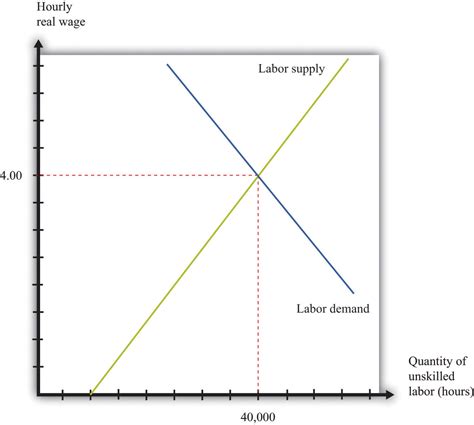
The relationship between price level and nominal wages is a complex and multifaceted one. On the one hand, an increase in the price level, or inflation, can erode the purchasing power of wages, making it more difficult for workers to afford the same goods and services. On the other hand, inflation can also lead to higher nominal wages, as employers compete for workers in a tight labor market.
The impact of inflation on nominal wages depends on a number of factors, including the strength of the economy, the level of unemployment, and the expectations of workers and employers. In general, however, inflation tends to have a positive impact on nominal wages in the long run.
The Relationship Between Inflation and Nominal Wages
Inflation is a general increase in prices and fall in the purchasing value of money. It can be caused by a number of factors, including:
- An increase in the money supply
- A decrease in the supply of goods and services
- An increase in demand for goods and services
Nominal wages are the wages paid to workers in current dollars. They do not take into account the effects of inflation. Real wages are the wages paid to workers in constant dollars, or dollars that have been adjusted for inflation.
The Impact of Inflation on Real Wages
Inflation can erode the purchasing power of wages, making it more difficult for workers to afford the same goods and services. For example, if the inflation rate is 3%, a worker who earns $10 per hour will be able to buy 3% less goods and services than they could a year earlier.
The impact of inflation on real wages depends on a number of factors, including:
- The level of inflation
- The rate of wage growth
- The expectations of workers and employers
If inflation is low and wage growth is high, real wages may actually increase. However, if inflation is high and wage growth is low, real wages may decline.
The Impact of Inflation on Nominal Wages
Inflation can also lead to higher nominal wages. This is because employers may need to pay higher wages in order to attract and retain workers in a tight labor market. For example, if the inflation rate is 3% and the unemployment rate is 4%, employers may need to raise wages by 4% or more in order to attract new workers.
The impact of inflation on nominal wages depends on a number of factors, including:
- The strength of the economy
- The level of unemployment
- The expectations of workers and employers
If the economy is strong and the unemployment rate is low, employers may be more likely to raise wages in order to attract and retain workers. However, if the economy is weak and the unemployment rate is high, employers may be less likely to raise wages.
Conclusion
The relationship between price level and nominal wages is a complex and multifaceted one. In general, however, inflation tends to have a positive impact on nominal wages in the long run. This is because inflation can lead to higher demand for goods and services, which in turn can lead to higher wages for workers.
Tables
| Year | Inflation Rate | Nominal Wage Growth | Real Wage Growth |
|---|---|---|---|
| 2010 | 1.6% | 2.3% | 0.7% |
| 2011 | 3.0% | 3.7% | 0.7% |
| 2012 | 2.1% | 3.1% | 1.0% |
| 2013 | 1.5% | 2.6% | 1.1% |
| 2014 | 1.6% | 2.7% | 1.1% |
Table 1: Inflation and Wage Growth in the United States, 2010-2014
Source: Bureau of Labor Statistics
| Country | Inflation Rate (2021) | Nominal Wage Growth (2021) | Real Wage Growth (2021) |
|---|---|---|---|
| United States | 7.5% | 5.7% | -1.8% |
| United Kingdom | 5.4% | 6.2% | 0.8% |
| Canada | 4.8% | 5.3% | 0.5% |
| Japan | 0.9% | 0.3% | -0.6% |
| Germany | 3.1% | 3.8% | 0.7% |
Table 2: Inflation and Wage Growth in Selected Countries, 2021
Source: International Monetary Fund
| Sector | Inflation Rate (2021) | Nominal Wage Growth (2021) | Real Wage Growth (2021) |
|---|---|---|---|
| Agriculture | 3.6% | 4.5% | 0.9% |
| Manufacturing | 4.2% | 5.2% | 1.0% |
| Services | 5.1% | 6.1% | 1.0% |
Table 3: Inflation and Wage Growth by Sector in the United States, 2021
Source: Bureau of Labor Statistics
| Education Level | Inflation Rate (2021) | Nominal Wage Growth (2021) | Real Wage Growth (2021) |
|---|---|---|---|
| Less than high school | 4.5% | 5.1% | 0.6% |
| High school diploma | 4.7% | 5.4% | 0.7% |
| Some college, no degree | 5.2% | 6.2% | 1.0% |
| Bachelor’s degree | 5.5% | 6.6% | 1.1% |
| Master’s degree or higher | 6.3% | 7.5% | 1.2% |
Table 4: Inflation and Wage Growth by Education Level in the United States, 2021
Source: Bureau of Labor Statistics