In today’s competitive job market, it’s crucial to showcase your skills and experience to stand out from the crowd. As you build your resume, you may wonder whether to include personal projects as part of your work experience section. This article will explore the pros and cons of adding personal projects to help you make an informed decision.
Pros of Adding Personal Projects
Demonstrates Initiative and Passion:
Personal projects highlight your drive to pursue your interests outside of formal employment. They show potential employers that you’re passionate about your field and willing to invest your own time and effort in developing your skills.
Showcase Practical Skills:
Projects allow you to apply your knowledge and skills in a tangible way. They provide concrete examples of your abilities, such as coding, design, writing, or problem-solving.
Complements Formal Education:
Personal projects can complement your formal education by providing practical experience. They can bridge the gap between theoretical knowledge and real-world applications.
Creates a Unique Portfolio:
Projects give you the opportunity to create a portfolio of work that showcases your talents and abilities. This can be especially valuable if you don’t have extensive professional experience.
Cons of Adding Personal Projects
Limited Relevance:
Some personal projects may not be directly relevant to the jobs you’re applying for. In such cases, including them on your resume may distract from your professional experience.
Time Commitment:
Developing and maintaining personal projects can be time-consuming. If you’re already juggling a busy schedule, adding projects may put unnecessary stress on your time.
Potential for Bias:
Some recruiters may view personal projects as a form of self-promotion or as evidence of a lack of professional experience.
When to Include Personal Projects
Consider including personal projects if:
- They demonstrate skills and experience that are directly relevant to the jobs you’re applying for.
- You have limited professional experience and need to showcase your abilities.
- You have a portfolio of high-quality projects that highlight your unique talents.
- You’re passionate about a particular topic and want to demonstrate your expertise.
Tips for Including Personal Projects
Highlight Relevant Skills:
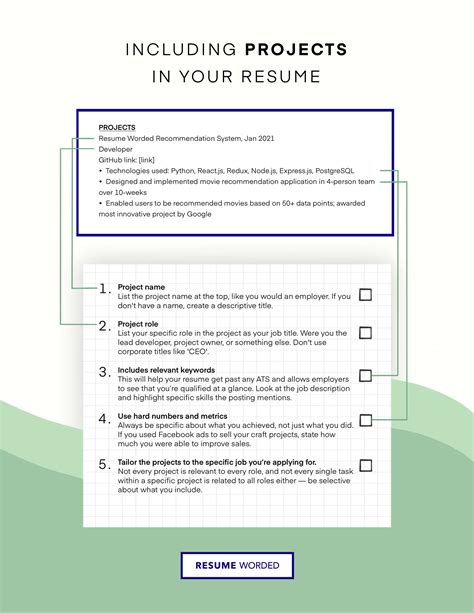
When describing your personal projects, focus on the skills and experiences you gained that are applicable to the jobs you’re interested in.
Include a Brief Description:
Provide a concise description of each project, including its purpose, scope, and your role.
Showcase Results:
If possible, quantify the results of your projects to demonstrate their impact. For example, you could mention how many users your app attracted or how much revenue your e-commerce website generated.
Use Professional Language:
Write your project descriptions using professional language and avoid excessive jargon.
Common Mistakes to Avoid
Overwhelming Your Resume:
Don’t include too many personal projects on your resume. Focus on highlighting the most relevant and impressive projects.
Exaggerating Your Involvement:
Be honest about your role in each project. Don’t claim credit for work that you didn’t contribute to.
Ignoring Professional Experience:
Personal projects should complement your professional experience, not replace it. Give priority to listing relevant work history.
Using Irrelevant Projects:
Don’t include projects that are unrelated to the jobs you’re applying for. These projects will only distract from your main skills and experience.
Whether or not to add personal projects to your resume depends on your individual circumstances and career goals. If you have relevant, high-quality projects that showcase your skills and abilities, then including them can be a valuable addition to your resume. However, be mindful of the potential drawbacks and consider the tips and tricks outlined in this article to ensure that your projects enhance your application.