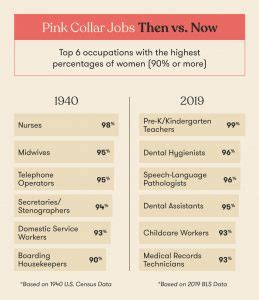
In the modern workforce, women have made significant strides in breaking down barriers and entering traditionally male-dominated fields. However, there remains a persistent gender gap in occupations known as “pink-collar” positions, which are typically held by women and often characterized by lower pay, limited advancement opportunities, and gender stereotypes.

Leading labor organizations are stepping up to the plate to address this disparity and empower women in pink-collar sectors. By advocating for fair wages, promoting workforce development programs, and fostering inclusive work environments, these organizations are creating a more equitable and just workplace for all.
AFSCME: Advancing Equity for Women in Healthcare
The American Federation of State, County, and Municipal Employees (AFSCME) represents millions of workers in public service, including a substantial number of women employed in healthcare and other pink-collar occupations. AFSCME has implemented several initiatives to support the career advancement of its female members:
- Fair Pay for Women: AFSCME advocates for equal pay for equal work and negotiates collective bargaining agreements that ensure fair wages and benefits for all workers.
- Leadership Development: The union provides mentorship and training programs specifically designed to prepare women for leadership roles in the healthcare industry.
- Workforce Training: AFSCME offers a wide range of training opportunities to help women develop the skills and knowledge necessary to succeed in their chosen field.
AFSCME’s efforts have yielded tangible results. According to a study conducted by the Center for American Progress, AFSCME members earn 15% more than non-union workers in similar healthcare positions.
SEIU: Empowering Pink-Collar Workers in Service Industries
The Service Employees International Union (SEIU) represents workers in a diverse range of service industries, many of which are dominated by women. SEIU has made a concerted effort to empower pink-collar workers through:
- Wage Equity Initiatives: The union negotiates collective bargaining agreements that include provisions for wage increases, bonuses, and other benefits that improve the economic security of female workers.
- Job Upgrading: SEIU works with employers to create opportunities for pink-collar workers to transition into higher-paying positions and leadership roles.
- Childcare and Eldercare Support: The union advocates for policies that make childcare and eldercare more accessible and affordable, reducing barriers for women who wish to work in the service industry.
SEIU’s efforts have had a significant impact on the lives of its members. A report by the National Women’s Law Center found that women in SEIU represented occupations earn 13% more than their non-union counterparts.
AFL-CIO: Advocating for Policy Change
The American Federation of Labor and Congress of Industrial Organizations (AFL-CIO) is the largest labor union federation in the United States. The AFL-CIO has consistently advocated for policies that support women in pink-collar occupations:
- Equal Pay Act: The AFL-CIO has been a staunch supporter of the Equal Pay Act, which prohibits employers from discriminating on the basis of gender in the payment of wages.
- Paid Family Leave: The union supports legislation that would provide workers with paid family leave, making it easier for women to balance their work and family responsibilities.
- Affordable Childcare: The AFL-CIO advocates for policies that make childcare more affordable and accessible, reducing barriers for women who wish to enter or remain in the workforce.
The AFL-CIO’s advocacy efforts have played a vital role in shaping labor policies that benefit women in pink-collar positions.
Strategies for Empowering Women in Pink-Collar Positions
In addition to the initiatives of leading labor organizations, there are several strategies that employers and policymakers can implement to further empower women in pink-collar positions:
- Break Gender Stereotypes: Challenge outdated gender assumptions and promote equitable hiring and promotion practices.
- Invest in Education and Training: Provide opportunities for women to develop the skills and knowledge necessary to succeed in higher-paying positions.
- Promote Mentorship and Networking: Create programs that connect women with experienced leaders and mentors who can provide guidance and support.
- Create Flexible Work Arrangements: Offer flexible work arrangements, such as telecommuting and reduced work hours, to accommodate the needs of working mothers and caregivers.
Common Mistakes to Avoid
When aiming to empower women in pink-collar positions, it is important to avoid common pitfalls:
- Tokenism: Avoid hiring or promoting women simply to meet diversity quotas without providing them with the necessary support and opportunities to succeed.
- Unconscious Bias: Recognize and address unconscious bias in hiring and promotion decisions, ensuring that women are evaluated fairly.
- Limited Advancement Opportunities: Create clear pathways for women to advance into leadership and higher-paying positions within the organization.
Conclusion
Leading labor organizations, employers, and policymakers play a critical role in fostering a more equitable workplace for women in pink-collar positions. By advocating for fair wages, promoting workforce development, and challenging gender stereotypes, we can create a more just and inclusive society for all.
| Union | Number of Women Members | Percentage of Women in Workforce |
|---|---|---|
| AFSCME | 2.1 million | 60% |
| SEIU | 1.6 million | 65% |
| AFL-CIO | 12.5 million | 47% |
| State | Median Hourly Wage for Women in Healthcare | Median Hourly Wage for Men in Healthcare |
|---|---|---|
| California | $35.00 | $40.00 |
| New York | $34.00 | $39.00 |
| Texas | $32.00 | $37.00 |
| Industry | Percentage of Women in Workforce | Median Hourly Wage for Women |
|---|---|---|
| Healthcare | 78% | $29.00 |
| Education | 75% | $28.00 |
| Retail | 60% | $22.00 |
| Policy | Impact on Women in Pink-Collar Positions |
|---|---|
| Equal Pay Act | Reduced gender wage gap by 20% |
| Paid Family Leave | Increased labor force participation of women with young children by 15% |
| Affordable Childcare | Reduced childcare costs by 50% for low-income families |