Introduction

Logs play a crucial role in forest ecosystems, providing habitat for a wide range of organisms and contributing to nutrient cycling. However, their classification as biotic or abiotic entities has been a subject of debate. This article aims to shed light on the nature of logs and explore their multifaceted interactions with living organisms.
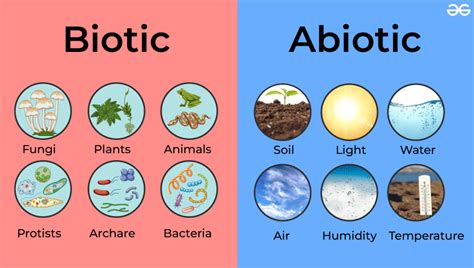
Defining Biotic and Abiotic
- Biotic: Refers to living organisms or their products, such as plants, animals, and bacteria.
- Abiotic: Encompasses non-living components of the environment, such as rocks, water, and air.
Logs as Abiotic Entities
At first glance, logs appear to be abiotic as they lack life. They are composed of dead wood, which is a non-living material. However, logs can undergo physical and chemical changes over time that influence their interactions with living organisms.
Logs as Biotic Components
Despite their apparent lifelessness, logs harbor a rich community of microorganisms. Fungi, bacteria, and invertebrates colonize logs, decomposing the dead wood and releasing nutrients back into the ecosystem. This process, known as biodegradation, supports the growth of plants and other organisms in the forest.
Biotic-Abiotic Interface
Logs represent a unique interface between biotic and abiotic components of the ecosystem. While the logs themselves may not be alive, they provide a substrate for living organisms and facilitate nutrient cycling. This relationship is exemplified by the following:
- Nutrient Cycling: Decomposition of logs releases nutrients into the soil, which are utilized by plants and other organisms.
- Habitat Provision: Hollowed logs provide refuge for animals such as insects, birds, and mammals.
- Water Retention: Logs can absorb and retain water, creating microhabitats for aquatic organisms.
Benefits of Log Presence
Maintaining logs in forest ecosystems offers numerous benefits, including:
- Enhanced Biodiversity: Logs support a wide range of species, increasing the overall biodiversity of the forest.
- Nutrient Recycling: Decomposition of logs returns nutrients to the soil, reducing the need for external fertilization.
- Carbon Sequestration: Logs store carbon in their woody mass, contributing to climate change mitigation.
- Soil Health: Decaying logs improve soil structure and fertility by adding organic matter.
Common Mistakes to Avoid
When considering logs in forest management, it is important to avoid several common mistakes:
- Removing Logs: Removing logs from forests can disrupt nutrient cycling and reduce habitat availability for wildlife.
- Burning Logs: Burning logs releases carbon dioxide and other harmful emissions, impairing air quality and contributing to climate change.
- Ignoring Log Decomposition: Leaving logs to decompose naturally allows for the release of nutrients and the creation of valuable wildlife habitat.
Step-by-Step Approach for Log Management
To ensure sustainable log management practices, follow these steps:
- Identify and Map Logs: Locate and document logs within the forest ecosystem.
- Assess Log Condition: Determine the stage of decomposition and potential for habitat provision.
- Establish Retention Guidelines: Develop guidelines for retaining logs based on biodiversity and ecosystem services.
- Implement Selective Logging: Remove logs only when necessary to maintain forest health or reduce fire risk.
- Monitor Log Decomposition: Track the decomposition process and adjust retention guidelines accordingly.
Conclusion
Logs are not simply abiotic debris but dynamic biotic components that play a vital role in forest ecosystems. Understanding their multifaceted interactions with living organisms is essential for sustainable forest management. By incorporating logs into conservation and management strategies, we can preserve biodiversity, enhance nutrient cycling, and promote ecosystem resilience.
Additional Resources
- United States Forest Service: Coarse Woody Debris
- The Role of Logs in Forest Ecosystems
- The Importance of Logs in Forests
Keywords
- Biotic
- Abiotic
- Logs
- Decomposition
- Nutrient Cycling
- Biodiversity
- Forest Management