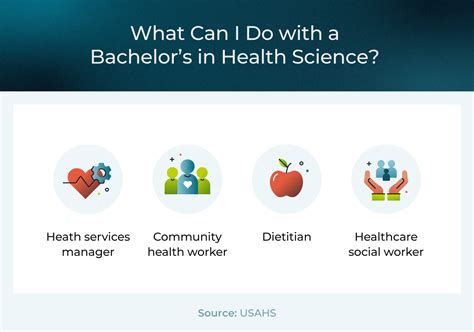
Introduction: Exploring Opportunities in Healthcare
The healthcare industry is a vast and dynamic field that offers a diverse range of career opportunities to individuals with a health science degree. With a solid foundation in science, research, and healthcare practice, graduates are well-equipped to contribute to advancing human health and improving patient outcomes. This comprehensive guide explores the myriad paths available to those seeking a fulfilling career in health sciences.

Careers in Patient Care: Direct Impact on Lives
Registered Nurse (RN)
RNs form the backbone of nursing care, providing essential patient care in various healthcare settings. According to the U.S. Bureau of Labor Statistics (BLS), the median annual salary for RNs was $77,600 in 2021, and the job outlook is expected to grow 9% from 2020 to 2030.
Medical Assistant
Medical assistants provide administrative and clinical support to healthcare providers. The median annual salary for medical assistants was $36,490 in 2021, and the BLS projects a 19% growth in employment from 2020 to 2030.
Occupational Therapist
Occupational therapists help individuals regain or improve their physical and cognitive functions after an injury, illness, or disability. The median annual salary for occupational therapists was $85,570 in 2021, and the BLS forecasts a 17% growth in employment from 2020 to 2030.
Research and Development: Advancing Medical Knowledge
Research Scientist
Research scientists conduct investigations to discover new medical treatments, improve existing therapies, and understand disease processes. The median annual salary for medical scientists was $98,880 in 2021, and the BLS projects a 10% growth in employment from 2020 to 2030.
Clinical Trials Coordinator
Clinical trials coordinators oversee the implementation and execution of clinical trials, ensuring adherence to ethical guidelines and regulatory requirements. The median annual salary for clinical trials coordinators was $77,810 in 2021, and the BLS forecasts a 14% growth in employment from 2020 to 2030.
Biomedical Engineer
Biomedical engineers apply engineering principles to develop and improve medical devices, prosthetics, and therapeutic techniques. The median annual salary for biomedical engineers was $99,060 in 2021, and the BLS projects a 5% growth in employment from 2020 to 2030.
Health Administration: Leading Healthcare Systems
Healthcare Administrator
Healthcare administrators oversee the operations, finances, and strategic planning of healthcare facilities, including hospitals, clinics, and long-term care facilities. The median annual salary for healthcare administrators was $101,340 in 2021, and the BLS projects a 16% growth in employment from 2020 to 2030.
Health Information Manager
Health information managers ensure the privacy and security of patient health records and facilitate the exchange of health information across healthcare organizations. The median annual salary for health information managers was $106,020 in 2021, and the BLS projects a 13% growth in employment from 2020 to 2030.
Quality Assurance Specialist
Quality assurance specialists monitor and evaluate healthcare services to ensure they meet quality standards and regulatory requirements. The median annual salary for quality assurance specialists was $50,180 in 2021, and the BLS projects a 12% growth in employment from 2020 to 2030.
Non-Traditional Career Paths: Innovative Applications
Health Policy Analyst
Health policy analysts analyze healthcare policies, assess their impact, and advocate for policy changes that promote health equity and improve access to healthcare.
Medical Writer
Medical writers translate complex medical information into easy-to-understand language for patients, healthcare providers, and other audiences.
Health Informatics Specialist
Health informatics specialists use data and technology to improve the efficiency, effectiveness, and accessibility of healthcare services.
Think Outside the Box: Exploring Unconventional Applications
Consider these innovative applications of a health science degree:
- Health Education Specialist: Promote health and wellness through community-based programs and educational initiatives.
- Telemedicine Nurse: Provide remote healthcare services via video conferencing and other technologies.
- Health Equity Advocate: Champion policies and initiatives that address health disparities and promote equitable access to healthcare.
Tailoring Your Degree to Your Interests
- Undergraduate Specializations: Explore focused tracks within health sciences, such as pre-medicine, exercise science, or health informatics.
- Graduate Education: Pursue an advanced degree (e.g., master’s or doctorate) in a specialized area of interest, such as nursing, public health, or biomedical research.
- Internships and Experiential Learning: Gain practical experience through internships, research projects, and volunteer opportunities to identify your preferred career path.
Common Mistakes to Avoid
- Not Researching Different Career Options: Explore the diverse range of opportunities available with a health science degree to make an informed decision.
- Overlooking Graduate Education: Consider pursuing an advanced degree to enhance your qualifications and career advancement potential.
- Neglecting Experiential Learning: Gain practical experience through internships and research to develop valuable skills and make informed career choices.
- Focusing Solely on Direct Patient Care: While patient care is a rewarding path, there are a wide range of other fulfilling career options in health sciences.
- Ignoring the Importance of Networking: Attend industry events, connect with professionals on LinkedIn, and build relationships to expand your network and uncover potential opportunities.
Conclusion: Empowering Your Future in Healthcare
With its broad scope and interdisciplinary nature, a health science degree equips graduates with the knowledge and skills to make a meaningful contribution to healthcare. By exploring the various career paths available, pursuing further education, and embracing innovative applications, health science graduates can empower themselves to lead the way in improving healthcare for all. Remember, the journey to a fulfilling career in health science is both challenging and rewarding, filled with opportunities to positively impact the lives of others and drive advancements in healthcare.