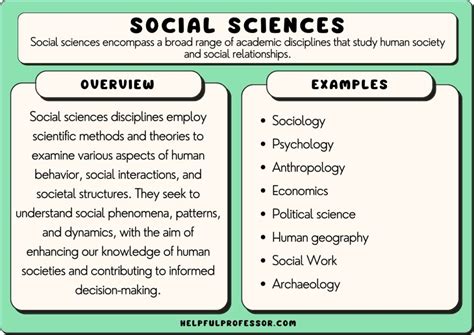
Social science delves into the intricate tapestry of human behavior, societies, and interactions. It encompasses a vast array of disciplines, each offering unique perspectives on the world around us. Here are some compelling social science topics that spark curiosity and inspire further exploration:

1. The Power of Social Media:
Key Statistics:
- 58.4% of the global population, or 4.65 billion people, actively use social media. (Hootsuite, 2023)
- An average person spends 2 hours and 27 minutes per day using social media. (GlobalWebIndex, 2023)
Exploration:
Social media has transformed the way we connect, share information, and consume content. From fostering social movements to spreading misinformation, its impact on our daily lives and society is undeniably vast. This topic investigates the psychological, cultural, and political implications of social media, examining its potential for good and harm.
2. The Impact of Immigration:
Key Statistics:
- There are over 281 million international migrants worldwide, accounting for 3.6% of the global population. (UN, 2022)
- In 2020, the United States admitted 484,672 legal immigrants, the lowest number in over 20 years. (USCIS, 2021)
Exploration:
Immigration is a complex and controversial topic with profound social, economic, and political ramifications. This topic analyzes the drivers of migration, the challenges faced by immigrants, and the impact they have on their new communities. It examines the ethical, legal, and policy issues surrounding immigration, fostering a more nuanced understanding of this multifaceted phenomenon.
3. The Rise of Artificial Intelligence:
Key Statistics:
- The global AI market is projected to reach USD 1,561.17 billion by 2030, exhibiting a CAGR of 21.4%. (MarketsandMarkets, 2023)
- AI technologies are being used in various industries, from healthcare to transportation, with significant implications for the future of work. (World Economic Forum, 2023)
Exploration:
Artificial intelligence is rapidly changing the world as we know it, automating tasks, improving decision-making, and creating new possibilities. This topic delves into the ethical, societal, and economic consequences of AI, exploring its potential for progress and its challenges. It examines the role of AI in shaping the future of human labor, education, and society as a whole.
4. The Importance of Early Childhood Education:
Key Statistics:
- Investing in early childhood education yields a return of up to USD 13 for every USD 1 spent. (World Bank, 2019)
- High-quality early childhood education can reduce crime rates, improve health outcomes, and increase economic productivity. (OECD, 2020)
Exploration:
The early years of life have a profound impact on a child’s cognitive, social, and emotional development. This topic investigates the benefits of early childhood education, examining its role in preparing children for success in school and beyond. It explores the importance of access to quality early education for all children, regardless of their background or circumstances.
5. The Changing Face of the Family:
Key Statistics:
- The traditional nuclear family is no longer the norm in many countries. In the United States, only 20% of households fit this model. (Pew Research Center, 2021)
- Cohabitation and single parenting are becoming more common, reflecting changing social attitudes towards family structures. (UN Population Division, 2022)
Exploration:
The concept of family is constantly evolving, shaped by social, economic, and cultural factors. This topic examines the diverse forms of family that exist today, exploring the challenges and opportunities they present. It analyzes the impact of family structure on children, relationships, and overall well-being.
6. The Role of Gender in Society:
Key Statistics:
- Globally, women earn only 77% of what men earn for the same work. (ILO, 2022)
- Women are significantly underrepresented in leadership positions in business, politics, and academia. (UN Women, 2022)
Exploration:
Gender inequality remains a pervasive issue in societies around the world. This topic investigates the social, economic, and political factors that contribute to gender disparities. It examines the impact of gender roles and stereotypes on individuals, relationships, and societies as a whole.
7. The Impact of Climate Change on Human Behavior:
Key Statistics:
- Climate change is already having a significant impact on human health, behavior, and decision-making. (World Health Organization, 2021)
- Extreme weather events can lead to increased anxiety, depression, and post-traumatic stress disorder. (American Psychological Association, 2020)
Exploration:
Climate change is not just an environmental issue; it also has profound psychological and social consequences. This topic examines the ways in which climate change is affecting human behavior, from displacement and migration to changes in risk perception and prosocial behaviors.
8. The Future of Work:
Key Statistics:
- By 2030, it is estimated that 85% of jobs will require digital skills. (World Economic Forum, 2020)
- The gig economy is growing rapidly, with over 57 million gig workers in the United States alone. (McKinsey Global Institute, 2023)
Exploration:
The world of work is undergoing a rapid transformation. This topic investigates the emerging trends in employment, such as automation, remote work, and the rise of self-employment. It examines the implications of these changes for individuals, businesses, and society as a whole.
9. The Importance of Social and Emotional Learning:
Key Statistics:
- Students with strong social and emotional skills are more likely to succeed in school and have better mental health outcomes. (CASEL, 2020)
- Social and emotional learning programs have been shown to reduce bullying and improve student behavior. (Yale Center for Emotional Intelligence, 2022)
Exploration:
Social and emotional skills, such as empathy, self-regulation, and communication, are essential for success in all aspects of life. This topic examines the importance of developing these skills in children and young people. It explores the effectiveness of social and emotional learning programs and advocates for their widespread adoption in schools and communities.
10. The Role of Neuroscience in Understanding Human Behavior:
Key Statistics:
- The human brain is the most complex organ in the body, with over 86 billion neurons. (National Institute of Mental Health, 2022)
- Neuroscience is rapidly expanding our understanding of the brain’s role in decision-making, emotion, and behavior. (Nature Neuroscience, 2023)
Exploration:
Neuroscience is providing unprecedented insights into the inner workings of the human mind. This topic investigates the use of brain imaging techniques, such as fMRI and EEG, to study human behavior. It examines the ethical implications of neuroscience research and its potential applications in fields such as education, healthcare, and the criminal justice system.
Social science offers a fascinating and ever-evolving lens through which to understand the human experience. From the impact of social media to the rise of artificial intelligence, these topics provide fertile ground for further research, discussion, and critical thinking. By fostering a deeper understanding of human behavior and society, social science empowers us to create a more just, equitable, and fulfilling world for all.