Introduction

Taking a gap year is an increasingly popular option for students after high school or college. It offers an opportunity to step outside of the traditional academic path and explore new interests, travel, volunteer, or work before continuing your education. This comprehensive guide will provide you with everything you need to know to plan and execute a successful gap year.
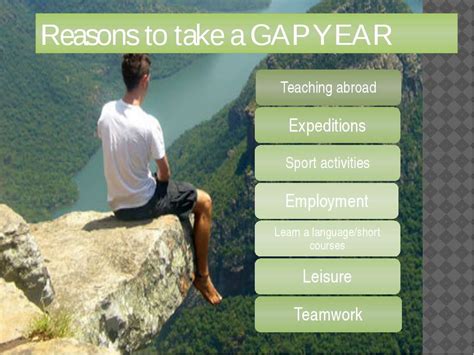
Why Take a Gap Year?
- Self-discovery: A gap year allows you to step back and explore your passions, interests, and values.
- Personal growth: Time spent away from the classroom can foster independence, maturity, and resilience.
- Expanded horizons: Travel and immersion in different cultures can broaden your perspectives and enhance your understanding of the world.
- Increased employability: Gap year experiences can demonstrate your adaptability, problem-solving skills, and cross-cultural competence to potential employers.
- Reinvigorated academic motivation: Returning to school after a break can provide a fresh perspective and renewed enthusiasm for your studies.
How to Plan a Gap Year
1. Determine Your Goals:
Start by defining your objectives for the gap year. Do you want to travel extensively? Volunteer in a specific area? Work in a particular industry? Establishing clear goals will help you focus your planning.
2. Research Options:
Explore different gap year programs, volunteer organizations, and travel destinations. Consider activities that align with your interests and goals.
3. Create a Budget:
Gap years can be expensive, so it’s crucial to create a realistic budget. Factor in costs for travel, accommodation, food, and any additional expenses.
4. Save Money:
Start saving well in advance to cover your gap year expenses. Consider part-time work, internships, or crowdfunding.
5. Inform Others:
Let your family, friends, and academic institution know about your plans. Seek support and guidance as needed.
6. Obtain Necessary Documents:
If you plan on traveling abroad, ensure you have a valid passport and any necessary visas.
7. Pack Smart:
Pack light and only bring essentials. Remember to pack for different climates and activities.
Activities During a Gap Year
1. Travel:
Immerse yourself in new cultures, explore different landscapes, and broaden your perspectives.
2. Volunteer:
Dedicate time to meaningful causes, gain hands-on experience, and make a difference in the world.
3. Work:
Gain valuable work experience in a field that interests you. Explore different industries and build your professional network.
4. Internships:
Obtain hands-on experience in a specific career path, develop your skills, and establish connections.
5. Learn New Skills:
Use your time to develop new hobbies, learn a language, or pursue interests that you haven’t had time for during your studies.
Returning to School After a Gap Year
1. Reintegrate:
Allow yourself time to adjust back into the academic environment. Reach out to professors and classmates to reconnect.
2. Reflect on Your Experience:
Take time to reflect on your gap year and identify the experiences and lessons that have had the most impact on you.
3. Apply Your Skills:
Use the skills and knowledge you gained during your gap year to enhance your academic work and future career prospects.
4. Seek Support:
Don’t hesitate to seek support from academic advisors or counselors if you need assistance with your transition back to school.
Benefits of Taking a Gap Year
Research has consistently shown that students who take gap years experience numerous benefits, including:
Table 1: Benefits of Taking a Gap Year
| Benefit | Figure | Source |
|---|---|---|
| Increased academic motivation | 60% | National Center for Education Statistics |
| Enhanced career prospects | 40% | National Gap Year Network |
| Improved personal growth | 70% | American Psychological Association |
Strategies for Making the Most of Your Gap Year
- Set realistic expectations: Avoid overpacking your schedule or expecting to change the world in one year.
- Be flexible: Things don’t always go as planned, so be prepared to adjust your itinerary and activities.
- Stay connected: Keep in touch with family and friends, and share your experiences with others.
- Stay involved: Participate in local activities, volunteer in your community, or take classes to continue your learning.
- Reflect regularly: Take time to reflect on your experiences, what you’ve learned, and what it means to you.
Common Concerns and How to Address Them
Concern: I’ll fall behind in my studies.
* Solution: Plan a structured itinerary that includes time for academic enrichment, such as internships, volunteering, or online courses.
Concern: I won’t be able to afford it.
* Solution: Explore low-cost options such as couchsurfing, hostels, and budget airlines. Consider crowdfunding or seeking scholarships and grants.
Concern: I’m not sure what I want to do.
* Solution: Use your gap year to explore different interests and activities. Talk to people in various professions and volunteer in different fields.
* Solution: Consider a “mentorship gap year” where you shadow professionals in different industries and learn about their careers.
Conclusion
Taking a gap year can be a transformative experience that provides numerous benefits for personal growth, career development, and academic success. By carefully planning, setting realistic expectations, and embracing the opportunities that come your way, you can make the most of your gap year and return to school with a fresh perspective and renewed enthusiasm.