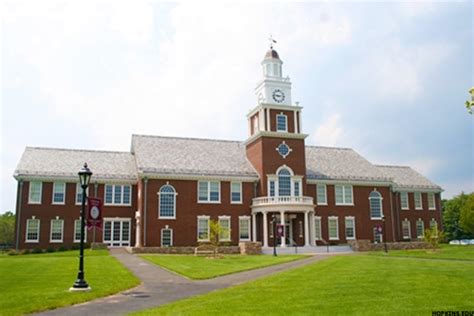
Independent schools, also known as private schools, are educational institutions that are not operated by the government. They are typically funded by tuition and donations, and they have more freedom to set their own curriculum and policies than public schools.

There are many different types of independent schools, ranging from small, specialized schools to large, comprehensive institutions. Some independent schools are affiliated with religious organizations, while others are secular. Some focus on college preparation, while others emphasize vocational training.
The cost of attending an independent school can vary widely, depending on the school’s location, size, and reputation. On average, tuition at independent schools in the United States ranges from $10,000 to $50,000 per year.
However, the benefits of attending an independent school can be significant. Students at independent schools typically have access to smaller class sizes, more individualized instruction, and a wider range of extracurricular activities. They also tend to perform better academically than their public school counterparts.
According to the National Center for Education Statistics, the graduation rate for students at independent schools is 98%, compared to 84% for students at public schools. Independent school students also score higher on standardized tests, such as the SAT and ACT.
In addition to academic benefits, independent schools can also provide students with social and emotional benefits. Students at independent schools are more likely to develop leadership skills, self-confidence, and a sense of community. They are also more likely to participate in extracurricular activities, such as sports, music, and drama.
If you are considering sending your child to an independent school, it is important to do your research and find a school that is a good fit for your child’s needs. You should visit the school, talk to the teachers and administrators, and read the school’s mission statement and curriculum.
You should also consider the cost of attendance and the financial aid options that are available. Some independent schools offer scholarships and financial aid to students who demonstrate financial need.
Types of Independent Schools
There are many different types of independent schools, each with its own unique focus and mission. Some of the most common types of independent schools include:
- College preparatory schools: These schools focus on preparing students for college. They typically offer a rigorous academic curriculum and a wide range of extracurricular activities.
- Vocational schools: These schools focus on preparing students for a specific trade or profession. They typically offer a hands-on curriculum and a variety of internships and apprenticeships.
- Religious schools: These schools are affiliated with a particular religion and typically offer a curriculum that includes religious instruction.
- Special needs schools: These schools provide specialized education and services for students with disabilities.
- Boarding schools: These schools provide housing for students on campus. They typically offer a variety of extracurricular activities and a supportive community environment.
Benefits of Attending an Independent School
There are many benefits to attending an independent school, including:
- Smaller class sizes: Independent schools typically have smaller class sizes than public schools, which allows for more individualized instruction.
- More individualized instruction: Teachers at independent schools have more time to get to know their students and tailor their instruction to their individual needs.
- Wider range of extracurricular activities: Independent schools typically offer a wider range of extracurricular activities than public schools, which allows students to explore their interests and develop new skills.
- Higher academic achievement: Students at independent schools typically perform better academically than their public school counterparts. According to the National Center for Education Statistics, the graduation rate for students at independent schools is 98%, compared to 84% for students at public schools. Independent school students also score higher on standardized tests, such as the SAT and ACT.
- Social and emotional benefits: Students at independent schools are more likely to develop leadership skills, self-confidence, and a sense of community. They are also more likely to participate in extracurricular activities, such as sports, music, and drama.
How to Choose an Independent School
If you are considering sending your child to an independent school, it is important to do your research and find a school that is a good fit for your child’s needs. You should visit the school, talk to the teachers and administrators, and read the school’s mission statement and curriculum.
You should also consider the cost of attendance and the financial aid options that are available. Some independent schools offer scholarships and financial aid to students who demonstrate financial need.
Here are some tips for choosing an independent school:
- Consider your child’s needs: What are your child’s academic, social, and emotional needs? What type of school environment is best suited for your child?
- Visit the school: Get a firsthand look at the school and meet the teachers and administrators. Ask questions about the school’s curriculum, extracurricular activities, and financial aid options.
- Read the school’s mission statement and curriculum: The school’s mission statement should reflect your family’s values and goals. The curriculum should be rigorous and engaging.
- Consider the cost of attendance: Tuition at independent schools can vary widely, depending on the school’s location, size, and reputation. Be sure to factor in the cost of transportation, uniforms, and other expenses.
- Apply for financial aid: If you need financial assistance, be sure to apply for scholarships and financial aid. Some independent schools offer generous financial aid packages to students who demonstrate financial need.
Top Independent Schools in the United States
There are many excellent independent schools in the United States. Here are a few of the top-ranked schools, according to Niche:
- Phillips Academy (Andover, MA)
- Exeter Academy (Exeter, NH)
- Groton School (Groton, MA)
- St. Paul’s School (Concord, NH)
- Milton Academy (Milton, MA)
- Lawrenceville School (Lawrenceville, NJ)
- Deerfield Academy (Deerfield, MA)
- Cate School (Carpinteria, CA)
- Choate Rosemary Hall (Wallingford, CT)
- Sidwell Friends School (Washington, DC)
These schools offer a world-class education and a supportive community environment. They are a great option for students who are looking for a challenging and rewarding academic experience.