The period between 1750 and 1900 witnessed an extraordinary series of events that reshaped the world. From the Industrial Revolution to the rise of the nation-state, from the Enlightenment to the Great Depression, these years were marked by profound social, economic, and political change.

The Industrial Revolution (1760-1840)
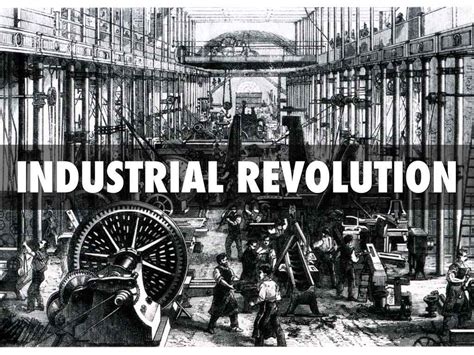
The Industrial Revolution began in Great Britain in the mid-18th century and spread to other parts of Europe and North America in the following decades. It was characterized by the introduction of new technologies, such as the steam engine, the cotton gin, and the power loom, which led to a dramatic increase in productivity and economic growth. By 1850, the Industrial Revolution had transformed the way people lived and worked, creating both new opportunities and new challenges.
The Rise of the Nation-State (1789-1914)
The 19th century saw the rise of the nation-state, a form of political organization based on the idea of a shared national identity and culture. The French Revolution of 1789 played a pivotal role in the development of this concept, as it led to the creation of a new, democratic government based on the principles of liberty, equality, and fraternity. Other European countries followed suit, and by the end of the century, most of Europe had been divided into nation-states.
The Enlightenment (1685-1815)
The Enlightenment was an intellectual movement that emphasized reason, science, and individualism. It emerged in Europe in the late 17th century and had a profound impact on Western thought and culture. Enlightenment thinkers challenged traditional religious and political authority and argued for the importance of individual liberty and freedom of expression. Their ideas laid the foundation for the development of modern democracy and human rights.
The Great Depression (1873-1896)
The Great Depression was a global economic crisis that began in the United States in 1873 and lasted for over two decades. It was characterized by widespread unemployment, falling prices, and bankruptcies. The Depression had a devastating impact on economies around the world and led to a decline in living standards for many people.
Other Important Events (1750-1900)
In addition to these major events, there were many other important developments that occurred during the period between 1750 and 1900, including:
- The American Revolution (1775-1783)
- The French Revolution (1789-1799)
- The Napoleonic Wars (1803-1815)
- The American Civil War (1861-1865)
- The Franco-Prussian War (1870-1871)
- The Scramble for Africa (1880-1914)
- The Spanish-American War (1898)
Impact of the 1750-1900 Period
The period between 1750 and 1900 was one of unprecedented change and transformation. The Industrial Revolution led to a dramatic increase in productivity and economic growth, while the rise of the nation-state created a new political order. The Enlightenment emphasized the importance of reason and individualism, while the Great Depression had a devastating impact on economies around the world. These events laid the foundation for the modern world and continue to shape our lives today.