Introduction

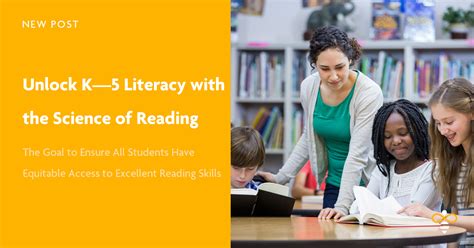
Literacy is the cornerstone of modern society, empowering individuals to access information, communicate effectively, and make informed decisions. Reading tutors play a pivotal role in fostering literacy by providing personalized support to students who face barriers to reading proficiency. Reading tutor jobs offer a rewarding opportunity to make a tangible difference in the lives of young minds, while also earning a stable income and gaining valuable experience.
Industry Overview
According to the National Assessment of Educational Progress (NAEP), 35% of fourth-graders and 37% of eighth-graders in the United States fall below basic reading proficiency levels. This alarming statistic highlights the urgent need for reading intervention, and reading tutors have stepped up to fill this gap. The demand for reading tutors is projected to grow by 11% from 2021 to 2031, faster than the average for all occupations, according to the U.S. Bureau of Labor Statistics.
Benefits of Reading Tutoring
Reading tutoring offers numerous benefits for both students and tutors:
-
Improved Reading Skills: Tutors provide tailored instruction to help students develop essential reading skills, such as phonemic awareness, phonics, fluency, and comprehension.
-
Increased Confidence: Struggling readers often lack confidence in their abilities. Reading tutors create a supportive environment where students can build their confidence and experience success.
-
Academic Success: Reading proficiency is strongly correlated with academic success in all subject areas. Reading tutors help students overcome reading barriers and lay the foundation for future academic achievements.
-
Job Preparation: Tutors learn valuable skills, such as communication, empathy, and problem-solving, that are highly transferable to other careers.
Qualifications and Requirements
To become a reading tutor, individuals typically need:
-
Education: A high school diploma or equivalent is often sufficient, although some employers may prefer a college degree in education or a related field.
-
Experience: Prior experience working with children or in a tutoring setting is desirable.
-
Literacy Skills: Strong literacy skills, including reading, writing, and communication, are essential.
-
Patience and Empathy: Reading tutors must be patient and empathetic, able to connect with students and understand their individual needs.
Typical Job Duties
The specific job duties of a reading tutor may vary depending on the employer and the target students, but generally include:
-
Assessing Student Needs: Conducting assessments to identify reading deficits and develop individualized tutoring plans.
-
Providing Instruction: Delivering personalized instruction to improve students’ reading skills through various methods, such as phonics, phonemic awareness, and fluency practice.
-
Monitoring Progress: Tracking students’ progress and making adjustments to tutoring plans as needed.
-
Communicating with Parents and Educators: Collaborating with parents and educators to share student progress and seek additional support when necessary.
Salary and Compensation
The salary of a reading tutor varies based on factors such as experience, education, certification, and location. According to Indeed, the average hourly wage for reading tutors in the United States is $17.81. Tutors may also receive benefits such as health insurance, paid time off, and professional development opportunities.
Career Advancement
Reading tutor jobs can provide a solid foundation for a career in education or related fields. With experience, tutors can advance to become lead tutors, reading specialists, or educational consultants. Some tutors also choose to pursue a teaching credential to become certified teachers.
Tips for Success
To succeed as a reading tutor, consider the following tips:
-
Build Strong Relationships: Establish positive relationships with students, parents, and educators to create a supportive learning environment.
-
Tailor Instruction: Individualize tutoring plans to meet the unique needs of each student and address specific areas for improvement.
-
Use Engaging Materials: Incorporate interactive and stimulating activities into tutoring sessions to keep students engaged and motivated.
-
Track Progress and Celebrate Success: Monitor student progress regularly and acknowledge their achievements to foster their confidence and growth.
Conclusion
Reading tutor jobs offer a rewarding opportunity to make a positive impact on the lives of struggling readers. By providing personalized support, reading tutors empower students to overcome reading barriers and build the literacy skills they need to succeed in school and beyond. With a strong commitment to education and the well-being of children, individuals can find fulfilling and rewarding careers as reading tutors.
Creating Niche Tutoring Services
To stand out in the competitive tutoring market, consider creating niche tutoring services that cater to specific student populations or needs, such as:
-
Dyslexia Specialists: Providing specialized instruction to students with dyslexia or other learning disabilities.
-
English Language Learners (ELL) Tutors: Helping non-native English speakers improve their reading and comprehension skills.
-
Advanced Reading Tutors: Supporting gifted and talented students with advanced reading comprehension and critical thinking skills.
Leveraging Technology for Tutoring
Technology can enhance reading tutor effectiveness and extend their reach. Consider using online tutoring platforms, interactive software, and mobile applications to:
-
Provide Flexible Learning: Offer tutoring sessions at convenient times and locations for students.
-
Personalize Instruction: Utilize data analytics and adaptive learning technologies to tailor tutoring plans based on individual student progress.
-
Engage Students: Incorporate interactive games, simulations, and multimedia tools into tutoring sessions to keep students engaged.
Tables
Table 1: Benefits of Reading Tutoring for Students
| Benefit | Description |
|---|---|
| Improved Reading Skills | Tutors help students develop essential reading skills, such as phonemic awareness, phonics, fluency, and comprehension. |
| Increased Confidence | Reading tutors create a supportive environment where students can build their confidence and experience success. |
| Academic Success | Reading proficiency is strongly correlated with academic success in all subject areas. Reading tutors help students overcome reading barriers and lay the foundation for future academic achievements. |
Table 2: Qualifications and Requirements for Reading Tutors
| Qualification | Description |
|---|---|
| Education | A high school diploma or equivalent is often sufficient, although some employers may prefer a college degree in education or a related field. |
| Experience | Prior experience working with children or in a tutoring setting is desirable. |
| Literacy Skills | Strong literacy skills, including reading, writing, and communication, are essential. |
| Patience and Empathy | Reading tutors must be patient and empathetic, able to connect with students and understand their individual needs. |
Table 3: Typical Job Duties of a Reading Tutor
| Job Duty | Description |
|---|---|
| Assessing Student Needs | Conducting assessments to identify reading deficits and develop individualized tutoring plans. |
| Providing Instruction | Delivering personalized instruction to improve students’ reading skills through various methods, such as phonics, phonemic awareness, and fluency practice. |
| Monitoring Progress | Tracking students’ progress and making adjustments to tutoring plans as needed. |
| Communicating with Parents and Educators | Collaborating with parents and educators to share student progress and seek additional support when necessary. |
Table 4: Benefits of Using Technology in Reading Tutoring
| Benefit | Description |
|---|---|
| Flexible Learning | Offer tutoring sessions at convenient times and locations for students. |
| Personalized Instruction | Utilize data analytics and adaptive learning technologies to tailor tutoring plans based on individual student progress. |
| Engaged Students | Incorporate interactive games, simulations, and multimedia tools into tutoring sessions to keep students engaged. |