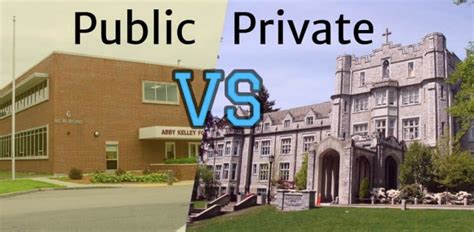
The debate over private versus public schools has been going on for centuries, with no clear consensus in sight. Both types of schools have their own advantages and disadvantages, and the best choice for a particular child will depend on their individual needs and circumstances.
In this article, we will explore the key differences between private and public schools and discuss the pros and cons of each type of school. We will also provide some tips on how to choose the best school for your child.
Key Differences Between Private and Public Schools
There are a number of key differences between private and public schools, including:
-
Funding: Public schools are funded by taxpayers, while private schools are funded by tuition payments and donations. This difference in funding has a number of implications, including:
-
Class size: Private schools typically have smaller class sizes than public schools. This can allow for more individualized attention from teachers.
-
Teacher salaries: Private school teachers typically earn higher salaries than public school teachers. This can attract more experienced and qualified teachers to private schools.
-
Facilities: Private schools often have more up-to-date facilities than public schools. This can include things like better libraries, science labs, and athletic facilities.
-
Curriculum: Public schools are required to follow state and federal curriculum standards. Private schools have more flexibility in their curriculum, which can allow them to offer more specialized or advanced courses.
-
Admissions: Public schools are required to admit all students who live within their district. Private schools have more flexibility in their admissions criteria, which can allow them to select students based on academic achievement, test scores, or other factors.
-
Discipline: Public schools are required to follow state and federal laws regarding discipline. Private schools have more flexibility in their discipline policies, which can allow them to be more strict or lenient, depending on their philosophy.
Pros and Cons of Private Schools
There are a number of pros and cons to consider when choosing between private and public schools.
Pros:
- Smaller class sizes
- More experienced and qualified teachers
- Better facilities
- More flexibility in curriculum and admissions
- More strict or lenient discipline policies, depending on the school’s philosophy
Cons:
- Tuition costs
- Not all private schools are created equal
- May not be as diverse as public schools
- May not have the same level of accountability as public schools
Pros and Cons of Public Schools
There are also a number of pros and cons to consider when choosing between private and public schools.
Pros:
- Free to attend
- More diverse
- More accountable to the public
- May have more extracurricular activities and sports programs
Cons:
- Larger class sizes
- Less experienced and qualified teachers
- Less flexibility in curriculum and admissions
- Less strict or lenient discipline policies, depending on the school’s philosophy
How to Choose the Best School for Your Child
The best way to choose the best school for your child is to visit both private and public schools and compare them side-by-side. Consider your child’s individual needs and circumstances, and talk to other parents and teachers to get their feedback.
Here are some tips to help you choose the best school for your child:
-
Visit both private and public schools. This will give you a chance to see the schools firsthand and compare them side-by-side.
-
Talk to other parents and teachers. Get their feedback on the schools you are considering.
-
Consider your child’s individual needs and circumstances. What type of learning environment is best for your child? What are your child’s academic and extracurricular interests?
-
Make a decision based on your research. After you have visited the schools and talked to other parents and teachers, make a decision based on what you believe is the best fit for your child.
Conclusion
The decision of whether to send your child to private or public school is a personal one. There is no right or wrong answer, and the best choice for your child will depend on their individual needs and circumstances. By carefully considering the pros and cons of each type of school, you can make an informed decision that will help your child succeed.
Additional Resources
Tables
Table 1: Funding Sources for Private and Public Schools
| School Type | Funding Source |
|---|---|
| Public Schools | Taxpayers |
| Private Schools | Tuition payments and donations |
Table 2: Class Sizes in Private and Public Schools
| School Type | Average Class Size |
|---|---|
| Public Schools | 25 students |
| Private Schools | 15 students |
Table 3: Teacher Salaries in Private and Public Schools
| School Type | Average Teacher Salary |
|---|---|
| Public Schools | $50,000 |
| Private Schools | $60,000 |
Table 4: Curriculum Flexibility in Private and Public Schools
| School Type | Curriculum Flexibility |
|---|---|
| Public Schools | Limited flexibility |
| Private Schools | More flexibility |