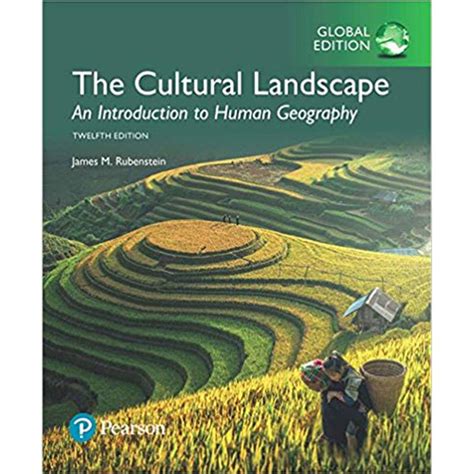
Human geography is the study of the interaction between humans and their environment. It is a broad field that encompasses a wide range of topics, including population geography, economic geography, political geography, cultural geography, and environmental geography.

The cultural landscape is one of the most important concepts in human geography. It refers to the way that humans have shaped the natural environment through their activities. The cultural landscape includes everything from buildings and infrastructure to agriculture and land use patterns.
The cultural landscape is constantly changing. As humans adapt to new technologies and social conditions, they also change the way that they interact with their environment. This process of change is known as cultural transformation.
There are many different factors that can contribute to cultural transformation. Some of the most important factors include:
- Economic change: Changes in economic activity can lead to changes in the way that people use and manage their environment. For example, the development of new technologies can lead to the decline of traditional industries, which can in turn lead to changes in land use patterns.
- Political change: Changes in political power can also lead to changes in the cultural landscape. For example, the rise of new political ideologies can lead to the adoption of new policies that affect the way that people use and manage their environment.
- Social change: Changes in social norms and values can also lead to changes in the cultural landscape. For example, the increasing awareness of environmental issues has led to changes in the way that people think about and use their environment.
The cultural landscape is a complex and dynamic system. It is constantly changing in response to a variety of factors. By understanding the factors that contribute to cultural transformation, we can better understand the human impact on the environment and develop strategies to manage the cultural landscape in a sustainable way.
Cultural Landscapes and Human Well-being
The cultural landscape plays a vital role in human well-being. It provides us with the resources we need to survive, such as food, water, and shelter. It also provides us with a sense of place and identity.
The cultural landscape can have a positive or negative impact on human well-being. A well-managed cultural landscape can provide us with a healthy and sustainable environment. It can also help us to feel connected to our community and culture.
However, a poorly managed cultural landscape can have a negative impact on human well-being. It can lead to pollution, environmental degradation, and social unrest.
It is important to manage the cultural landscape in a way that promotes human well-being. This means taking into account the needs of both humans and the environment.
Common Mistakes to Avoid in Human Geography
There are a number of common mistakes that people make when studying human geography. Some of the most common mistakes include:
- Overgeneralizing: Making assumptions about all humans based on the behavior of a few.
- Ignoring context: Failing to take into account the specific context in which human behavior occurs.
- Assuming that humans are always rational: Ignoring the role of emotions and irrationality in human behavior.
- Assuming that the world is static: Failing to recognize that the world is constantly changing.
- Ignoring the role of power: Failing to take into account the role of power relations in shaping human behavior.
By avoiding these common mistakes, you can develop a more accurate and nuanced understanding of human geography.
FAQs about Human Geography
Q: What is the difference between human geography and physical geography?
A: Human geography is the study of the interaction between humans and their environment, while physical geography is the study of the natural environment.
Q: What are the different subfields of human geography?
A: The main subfields of human geography include population geography, economic geography, political geography, cultural geography, and environmental geography.
Q: What are the most important factors that contribute to cultural transformation?
A: The most important factors that contribute to cultural transformation include economic change, political change, and social change.
Q: How can the cultural landscape be managed in a sustainable way?
A: The cultural landscape can be managed in a sustainable way by taking into account the needs of both humans and the environment.
Q: What are some of the common mistakes that people make when studying human geography?
A: Some of the common mistakes that people make when studying human geography include overgeneralizing, ignoring context, assuming that humans are always rational, assuming that the world is static, and ignoring the role of power.
Conclusion
Human geography is a fascinating and complex field of study. It offers a unique perspective on the human experience and the relationship between humans and their environment. By understanding the principles of human geography, we can better understand the world around us and make informed decisions about how to shape our future.
Additional Resources
- The Association of American Geographers
- The National Geographic Society
- The World Bank
- The United Nations Development Programme