Introduction
Cell division is a fundamental process that ensures the growth, development, and repair of all living organisms. At the heart of cell division lies the meticulous segregation of genetic material to ensure that each daughter cell receives an identical copy of the DNA. Sister chromatids play a crucial role in this process, acting as the physical entities that carry and transmit genetic information.

The Structure of Sister Chromatids
Sister chromatids are identical copies of a single chromosome that are joined together at their centromeres. They arise during the DNA replication that precedes cell division. Each chromatid consists of a single DNA double helix tightly coiled into a compact structure. The DNA in each chromatid contains the same genetic information, ensuring that each daughter cell inherits a complete set of chromosomes.
The Role of Sister Chromatids in Cell Division
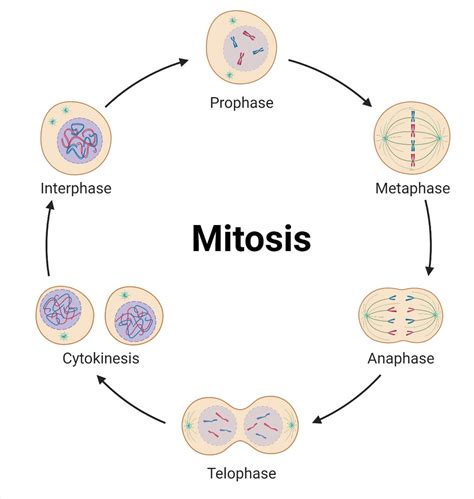
Sister chromatids are essential for accurate cell division. During mitosis, they align themselves at the metaphase plate of the cell, ensuring that each daughter cell receives one copy of every chromosome. The centromeres of the sister chromatids attach to the spindle fibers, which separate the chromatids and pull them apart, resulting in two sets of identical chromosomes. In meiosis, the process is more complex, involving two rounds of division to ensure the production of gametes with only one copy of each chromosome.
Key Characteristics of Sister Chromatids
- Identical genetic material: Sister chromatids carry the same genetic information, ensuring the equal distribution of DNA to daughter cells.
- Cohesion: They remain attached at the centromere until the appropriate stage of cell division, ensuring that they are inherited together.
- Replication: Sister chromatids arise from the replication of a single chromosome during the S phase of the cell cycle.
- Separation: During cell division, sister chromatids separate and move to opposite poles of the cell to ensure equal chromosome distribution.
- Key to genetic stability: The accurate segregation of sister chromatids is crucial for maintaining genetic stability and preventing chromosomal abnormalities.
Applications of Sister Chromatid Analysis
The study of sister chromatids has numerous applications in various fields:
- Chromosome analysis: Cytogenetic techniques allow researchers to examine sister chromatids to identify chromosomal abnormalities, such as translocations, deletions, and duplications.
- Cancer detection: Sister chromatid exchanges (SCEs) are a measure of chromosomal instability and are used as a biomarker for cancer detection and monitoring.
- Forensic science: DNA analysis of sister chromatids can provide valuable insights in paternity testing and criminal investigations.
- Evolutionary studies: Sister chromatid analysis helps researchers understand chromosomal rearrangements and evolutionary relationships between species.
Innovative Applications for Sister Chromatid Analysis
Researchers continue to explore innovative applications for sister chromatid analysis. One such application is “chromTID,” a novel method that utilizes fluorescent labeling to visualize and analyze sister chromatids in real-time. This technology has the potential to revolutionize the diagnosis and monitoring of genetic disorders and cancer.
Tables for Reference
| Feature | Description |
|---|---|
| Structure | Two identical DNA double helices joined at the centromere |
| Replication | Formed during DNA replication prior to cell division |
| Cohesion | Remain attached until the appropriate stage of cell division |
| Separation | Pulled apart during cell division to distribute one copy to each daughter cell |
| Importance | Ensure accurate inheritance of genetic material and maintain genetic stability |
| Applications | Field of Study |
|---|---|
| Cytogenetic analysis | Genetic disorders and chromosomal abnormalities |
| SCE analysis | Cancer detection and monitoring |
| Paternity testing | Forensic science |
| Evolutionary studies | Chromosomal rearrangements and species relationships |
| Innovative Applications | Description |
|---|---|
| ChromTID | Fluorescent visualization and analysis of sister chromatids in real-time |
| Gene therapy | Targeting specific genes on sister chromatids |
| Cancer research | Understanding chromosomal instability and developing new therapies |
| Personalized medicine | Tailoring treatments based on sister chromatid analysis |