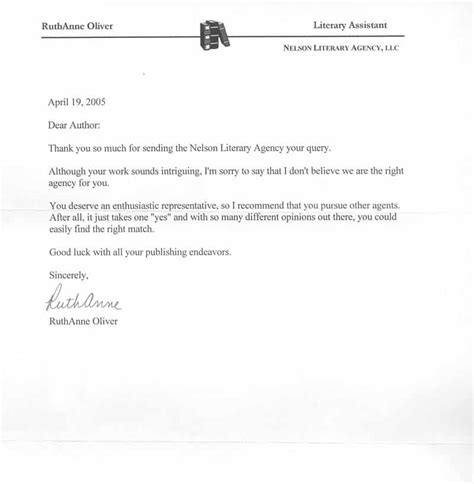
Getting rejected from a college can be a disheartening experience, especially if it’s a dream school like Brigham Young University (BYU). Rejection letters can leave you confused, frustrated, and wondering what went wrong. In this comprehensive guide, we’ll decode BYU’s rejection letter, explore the reasons behind your denial, and provide practical tips to increase your chances of admission in the future.

Understanding BYU’s Rejection Letter
BYU’s rejection letters typically follow a standard format, stating that your application has not been accepted and providing brief feedback on your academic credentials. The letter may also include information on your waitlist status, if applicable. Here’s a breakdown of the key sections:
-
Opening Paragraph: This paragraph acknowledges receipt of your application and expresses regret for not being able to offer you admission.
-
Reason for Rejection: BYU does not disclose specific reasons for rejection in their letters. However, they do provide general feedback, such as:
- “Your academic credentials do not meet our current admission standards.”
- “The applicant pool was highly competitive this year.”
- “We received a large number of applications for your intended major.”
-
Waitlist Status: If you have been placed on the waitlist, the letter will indicate your position and the timeframe for potential acceptance.
-
Appeal Information: BYU does not allow appeals for admission decisions. However, you may contact the Office of Admissions to request a clarification or explanation of your denial.
Reasons for BYU Rejection
Admission to BYU is highly competitive, with an acceptance rate of approximately 42%. Several factors contribute to rejection decisions, including:
-
Academic Credentials: GPA, SAT/ACT scores, and class rank play a significant role. BYU has high academic standards and seeks students with a proven history of academic excellence.
-
Extracurricular Activities: Involvement in extracurricular activities, such as clubs, sports, and community service, demonstrates leadership, teamwork, and well-roundedness. Strong extracurricular involvement can enhance an application.
-
Personal Statement: The personal statement is an opportunity to showcase your personality, aspirations, and why you would be a valuable addition to BYU’s community. A well-written personal statement can make a strong impression on the admissions committee.
-
Interview (Optional): While not required, an interview can provide additional insights into your character and fit with BYU’s mission. A positive interview can strengthen your application.
-
Application Deadlines: Submitting your application early can increase your chances of admission, as it allows the admissions committee more time to review your credentials.
Tips to Increase Your Chances of Admission
If you are planning to reapply to BYU or apply to other selective colleges, consider the following tips:
-
Improve Your Academic Credentials: Focus on achieving high grades in challenging coursework and preparing thoroughly for standardized tests.
-
Engage in Meaningful Extracurriculars: Participate in activities that you are passionate about and that align with BYU’s values. Seek leadership roles and demonstrate initiative.
-
Craft a Compelling Personal Statement: Take time to write a personal statement that is unique, authentic, and showcases your strengths. Highlight your aspirations, values, and why BYU is the right fit for you.
-
Request an Interview: If possible, request an interview to provide the admissions committee with a more personal connection to you.
-
Apply Early: Submit your application and all required materials well before the deadlines to give the admissions committee ample time to review your application.
Common Mistakes to Avoid
When applying to BYU or any other selective college, it’s essential to avoid common mistakes that can weaken your application:
-
Rushing the Application: Take your time to carefully complete your application and proofread it thoroughly before submitting.
-
Submitting Incomplete Materials: Ensure that you have submitted all required materials, including transcripts, test scores, and a personal statement.
-
Neglecting Extracurricular Activities: Don’t underestimate the importance of extracurricular involvement. Colleges seek students who are engaged and well-rounded.
-
Plagiarizing Your Personal Statement: Submitting a plagiarized personal statement is unethical and will result in automatic rejection.
-
Ignoring Application Deadlines: Submitting your application after the deadline can significantly reduce your chances of admission.
Why BYU Matters
BYU offers a unique and rewarding educational experience for students of all backgrounds. With its emphasis on academic excellence, spiritual growth, and community involvement, BYU prepares students to lead and thrive in a globalized world.
Here are some of the key benefits of attending BYU:
-
Exceptional Academics: BYU boasts top-notch faculty and cutting-edge research facilities. Students have access to a wide range of undergraduate and graduate programs.
-
Strong Spiritual Foundation: BYU fosters a vibrant spiritual community that supports students’ religious and personal growth.
-
Campus Culture: BYU’s campus culture is characterized by respect, inclusiveness, and a sense of belonging.
-
Career Opportunities: BYU graduates are highly sought after by employers worldwide due to their strong academic preparation and commitment to ethical values.
-
Global Recognition: BYU’s reputation for excellence extends beyond Utah, with campuses and programs around the world.
Conclusion
Receiving a BYU rejection letter can be a disappointment, but it doesn’t have to be a setback. By understanding the reasons behind your denial and implementing the tips outlined in this guide, you can increase your chances of success in future college applications. Remember, rejection is not a reflection of your worth or abilities. It is an opportunity to learn, grow, and pursue your educational goals with renewed determination.