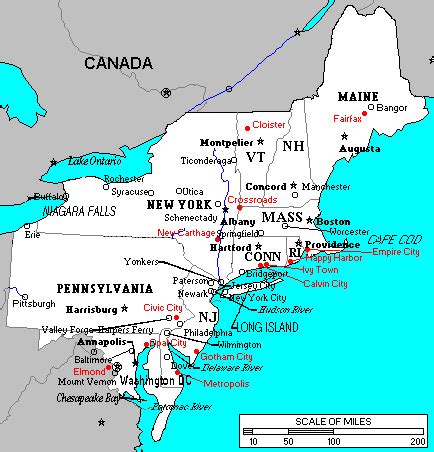
Distance by Different Modes of Transportation
Planning a trip from Boston to Washington, D.C.? Knowing the distance between these two cities is crucial for planning your itinerary and transportation arrangements. Here’s a comprehensive breakdown of the distance and travel time by various modes of transportation:

Driving
Distance
- Approximately 431 miles (694 kilometers) via Interstate 95
Travel Time
- Driving time ranges from 6 to 8 hours, depending on traffic and weather conditions
Flying
Distance
- The distance between Boston Logan International Airport (BOS) and Washington Dulles International Airport (IAD) or Ronald Reagan Washington National Airport (DCA) is approximately 400 miles (644 kilometers)
Travel Time
- Flight time is around 1 hour and 15 minutes, excluding airport check-in and security procedures
Train
Distance
- The Amtrak Northeast Regional train covers approximately 457 miles (736 kilometers) between Boston’s South Station and Washington Union Station
Travel Time
- Train travel time averages between 6.5 to 8 hours, depending on the specific train service chosen
Bus
Distance
- The distance via bus is approximately 434 miles (698 kilometers)
Travel Time
- Bus travel time ranges from 7 to 11 hours, depending on the bus carrier and route
Factors Affecting Travel Time
Traffic Congestion
- During peak hours, especially during the morning and evening commutes, traffic congestion can significantly impact travel time for driving and bus travel.
Weather Conditions
- Inclement weather such as heavy rain, snowstorms, or fog can slow down traffic and cause flight delays or cancellations.
Train Delays
- Train delays can occur due to mechanical issues, track maintenance, or other unforeseen circumstances.
Bus Delays
- Bus travel can also encounter delays due to traffic congestion, mechanical problems, or weather-related issues.
Planning Tips
Consider Your Time Frame
- Determine if you have sufficient time for the journey based on the estimated travel time for your chosen mode of transportation.
Book in Advance
- For flights and trains, booking your tickets in advance can secure better deals and availability.
Allow Buffer Time
- Factor in extra time for unexpected delays or traffic congestion, especially during peak travel periods.
Explore Alternative Routes
- If driving, research alternative routes to avoid heavy traffic areas.
Pack Accordingly
- Pack light for bus or train travel, as luggage space may be limited.
Stay Informed
- Monitor weather forecasts and traffic updates to anticipate any potential delays.