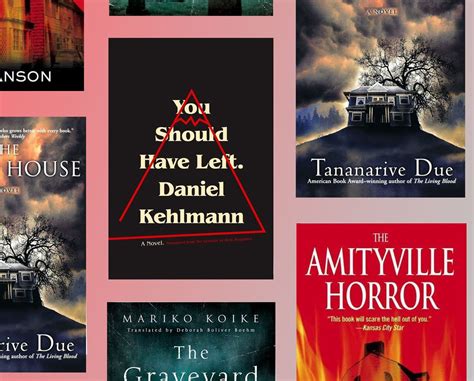
In the realm of literature, horror holds a unique power to captivate and terrify readers. Scary books transport us to worlds of darkness, suspense, and the unknown, leaving us on the edge of our seats and yearning for more.

Why Read Scary Books?
According to a study by the University of Westminster, reading scary books can provide numerous psychological benefits:
- Reduced stress: The act of reading a scary book triggers a “fight or flight” response, releasing endorphins that can reduce stress levels.
- Increased alertness: The fear and suspense associated with horror stories increase our heart rate and blood pressure, boosting our alertness.
- Enhanced creativity: Scary books challenge our imaginations and require us to think beyond the familiar, fostering creativity.
Choosing the Right Scary Book
Finding the perfect scary book can be a daunting task. Consider the following tips:
- Start with the classics: Stephen King, H.P. Lovecraft, and Edgar Allan Poe are renowned authors of horror fiction. Their works offer a wide range of terrifying experiences.
- Explore subgenres: Horror encompasses various subgenres, such as gothic, psychological, and supernatural. Identify your preferences to narrow down your search.
- Read reviews: Check online forums and websites for reviews of potential books. This will give you insights into the plot, scares, and overall quality.
Essential Elements of a Scary Book
To truly terrify readers, a scary book should possess the following key elements:
- Creepy atmosphere: The setting, characters, and events should create a sense of unease and suspense, hinting at something lurking in the shadows.
- Unexpected twists: The plot should keep readers guessing, with unexpected twists and turns that challenge their expectations.
- Psychological torment: The book should delve into the protagonist’s psyche, exploring their fears, vulnerabilities, and inner demons.
Types of Scary Books
Horror literature is a diverse genre, with numerous subcategories:
- Gothic horror: Set in dark, ancient castles or haunted houses, gothic horror features tragic heroes, supernatural elements, and an atmosphere of doom.
- Psychological horror: This subgenre focuses on the inner struggles of characters, exploring themes of mental illness, obsession, and repressed trauma.
- Supernatural horror: Involving the paranormal, supernatural horror stories feature ghosts, demons, witches, and otherworldly beings.
- Splatterpunk: Known for its graphic violence and gore, splatterpunk horror pushes the boundaries of horror fiction.
Tips for Reading Scary Books
To fully immerse yourself in the terrifying experience, follow these tips:
- Read in a solitary setting: Dim the lights, find a comfortable spot, and let the words transport you to the heart of darkness.
- Suspend disbelief: Allow yourself to be drawn into the world of the book and believe in the impossible.
- Don’t be afraid to be scared: Embrace the fear and discomfort. It is part of the thrill of reading scary books.
- Take breaks: If the suspense becomes overwhelming, take a break and return to the book when you feel ready.
Health Considerations
While reading scary books can have positive effects, it is important to be aware of potential health considerations:
- Sleep disturbances: Horror books can stimulate the imagination and make it difficult to fall asleep.
- Anxiety: Some individuals may experience increased anxiety or nightmares after reading particularly frightening stories.
- Phobias: If you have specific fears, such as spiders or the dark, reading books that focus on these topics may trigger phobic reactions.
Conclusion
Reading scary books can be a thrilling and rewarding experience. By choosing the right books, creating an immersive environment, and embracing the fear, you can unlock a world of darkness and suspense that will leave you trembling with excitement. So gather your courage, pick up a spine-tingling tome, and let the chilling tales begin.
Table 1: Subgenres of Horror Literature
| Subgenre | Key Features |
|---|---|
| Gothic horror | Haunted castles, tragic heroes, supernatural elements |
| Psychological horror | Explores mental illness, obsession, and trauma |
| Supernatural horror | Involves ghosts, demons, witches, and otherworldly beings |
| Splatterpunk | Graphic violence and gore |
Table 2: Tips for Choosing a Scary Book
| Factor | Considerations |
|---|---|
| Author | Stephen King, H.P. Lovecraft, Edgar Allan Poe |
| Subgenre | Gothic, psychological, supernatural, splatterpunk |
| Reviews | Check online forums and websites |
Table 3: Health Considerations when Reading Scary Books
| Concern | Potential Risks |
|---|---|
| Sleep disturbances | Difficulty falling asleep |
| Anxiety | Increased anxiety or nightmares |
| Phobias | Phobic reactions to specific fears |
Table 4: Tips for Reading Scary Books
| Tip | Benefits |
|---|---|
| Read in a solitary setting | Create an immersive atmosphere |
| Suspend disbelief | Allow yourself to be drawn into the world of the book |
| Don’t be afraid to be scared | Embrace the fear and excitement |
| Take breaks | Prevent overwhelming suspense |
Step-by-Step Guide to Reading Scary Books
- Choose a suitable book: Consider your preferences and the level of fear you wish to experience.
- Create an immersive environment: Dim the lights, find a comfortable spot, and silence distractions.
- Suspend disbelief: Allow yourself to believe in the impossible and immerse yourself in the story.
- Pace yourself: Read at a comfortable pace and take breaks as needed to avoid excessive fear or discomfort.
- Enjoy the thrill: Embrace the fear and excitement that come with reading scary books.
Pros and Cons of Reading Scary Books
Pros:
- Reduced stress: Releases endorphins that can lower stress levels.
- Increased alertness: Boosts heart rate and blood pressure, enhancing alertness.
- Enhanced creativity: Challenges the imagination and fosters creativity.
- Entertainment: Provides thrilling and suspenseful entertainment.
Cons:
- Sleep disturbances: Can make it difficult to fall asleep.
- Anxiety: May increase anxiety or trigger nightmares in some individuals.
- Phobias: Can trigger phobic reactions in those with specific fears.
- Psychological discomfort: May cause feelings of unease, fear, or distress.