Finish the Semester Strong: A Comprehensive Guide to Success
As the semester draws to a close, it’s time to shift gears and focus on finishing strong. This article will provide you with a comprehensive guide to help you navigate the remaining weeks and achieve academic success.

- Identify your strengths and weaknesses: Take stock of your performance in each class. Note the areas where you excel and the topics you need to improve upon.
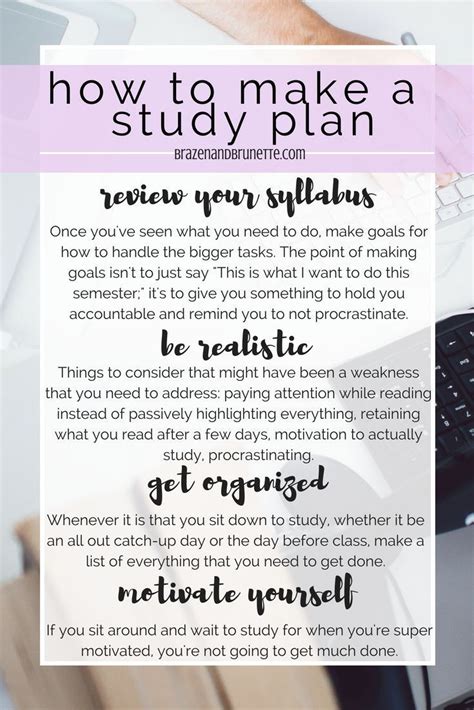
- Review syllabi and assignments: Refresh your memory on upcoming assignments, due dates, and course expectations. This will help you plan your time effectively.
- Talk to your professors: Schedule office hours or send emails to discuss your progress and seek guidance on areas where you need support.
- Set realistic goals: Break down large assignments into smaller, manageable chunks. Set specific deadlines for each task to avoid procrastination.
- Allocate study time wisely: Designate specific time slots for studying, taking into account your class schedule, work obligations, and other commitments.
- Use a calendar or planner: Mark important assignments, exams, and study sessions to stay organized and avoid missed deadlines.
- Active recall: Instead of passively rereading notes, actively test your memory by recalling information without looking at your sources.
- Spaced repetition: Review material at regular intervals to improve retention and prevent forgetting.
- Pomodoro technique: Study for focused periods (typically 25 minutes) followed by short breaks to maintain concentration.
- Prioritize sleep: Aim for 7-9 hours of quality sleep each night to ensure your brain is well-rested for studying and exams.
- Nourish your body: Consume healthy snacks and meals throughout the day to provide your brain with the energy it needs.
- Exercise regularly: Engage in physical activity to reduce stress, improve focus, and boost overall health.
- Take breaks: Schedule regular breaks throughout your study sessions to prevent burnout and maintain mental clarity.
- Join a study group: Collaborating with peers can enhance understanding, motivate you, and provide a support system.
- Consult tutoring services: If you’re struggling with a particular subject, consider seeking assistance from a tutor.
- Utilize campus resources: Many colleges offer counseling, academic support, and wellness services that can help you overcome challenges.
- Practice relaxation techniques: Engage in activities that promote relaxation, such as meditation, deep breathing, or yoga.
- Talk to someone: Share your concerns with friends, family, professors, or a counselor to reduce stress and seek emotional support.
- Take breaks: Step away from your studies for short periods to clear your mind and refresh your perspective.
- Review course materials thoroughly: Study your notes, textbooks, and any other relevant resources to ensure you cover all the material.
- Practice exam questions: Solve past exam papers, mock tests, or practice questions to familiarize yourself with the exam format and test your understanding.
- Seek clarification from professors: If you have any questions or uncertainties regarding the exam, clarify them with your professors before the exam date.
- Stay motivated: Set goals for yourself and reward yourself for progress to maintain your motivation throughout the semester.
- Believe in yourself: Trust that you have the ability to succeed and don’t let setbacks discourage you.
- Stay positive: Surround yourself with supportive people and engage in activities that uplift your mood.
- Attend all remaining classes: Regular class attendance ensures you stay up-to-date on course material and have opportunities to ask questions.
- Complete all assignments on time: Submitting assignments punctually demonstrates your commitment and helps you stay on track.
- Seek feedback on your work: Ask your professors or peers to review your work and provide constructive criticism to improve your understanding and performance.
- Manage your time wisely: Prioritize tasks based on their importance and urgency to avoid overwhelming yourself and ensure you complete all necessary tasks.
- Stay organized: Keep your notes, assignments, and study materials well-organized to avoid confusion and wasted time.
Finishing the semester strong requires a combination of planning, effort, and self-care. By implementing these strategies, you can overcome challenges, enhance your learning, and set yourself up for academic success. Remember to take care of your well-being, maintain a positive attitude, and seek support when needed. With determination and resilience, you will achieve your goals and end the semester on a high note.