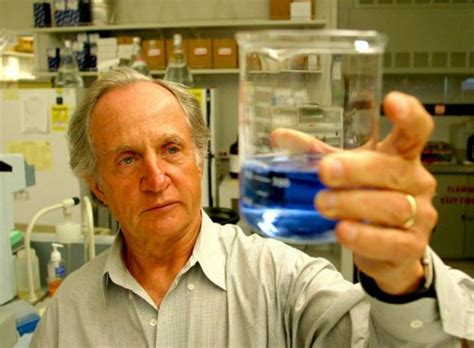
Mario Capecchi, PhD, is a distinguished geneticist and Nobel laureate known for his groundbreaking research on gene targeting and its application in the study of human diseases. His seminal work in the 1980s revolutionized the field of molecular biology and laid the foundation for modern genetic engineering.

Early Life and Education
Mario Capecchi was born in Verona, Italy, in 1937. He moved to the United States in his early childhood, where he pursued his education. He obtained his Bachelor of Arts in physics from Antioch College in 1959, followed by a PhD in biophysics from Harvard University in 1967.
Breakthroughs in Gene Targeting
After completing his PhD, Capecchi joined the faculty of the University of Utah School of Medicine. In the 1980s, he embarked on a series of experiments aimed at developing a method for introducing specific changes into the DNA of mammalian cells.
Through meticulous experimentation, Capecchi and his colleagues devised a technique called gene targeting. This approach involved using modified DNA fragments, known as homologous recombination vectors, to replace a specific gene with a new or altered version. The technique allowed scientists to create targeted mutations in mice, enabling them to study the effects of gene alterations on development and disease.
Applications in Disease Research and Therapy
The development of gene targeting had a profound impact on biomedical research. It became a powerful tool for investigating the genetic basis of human diseases and developing novel treatments. By creating animal models with specific genetic defects, researchers gained insights into the mechanisms underlying diseases such as cancer, neurodegenerative disorders, and metabolic syndromes.
Gene targeting also led to advances in gene therapy. By introducing therapeutic genes into cells, researchers could potentially correct genetic defects and treat diseases at the molecular level. Capecchi’s work laid the groundwork for the development of targeted gene therapies, which are currently being explored for various conditions such as sickle cell anemia and cystic fibrosis.
Recognition and Legacy
Mario Capecchi’s groundbreaking contributions to gene targeting earned him numerous accolades. In 2007, he was awarded the Nobel Prize in Physiology or Medicine, along with Oliver Smithies and Martin Evans, for their pioneering work in this field.
Capecchi’s legacy extends beyond his Nobel recognition. He has trained generations of scientists, many of whom have become leaders in the field of genetics. His research has had a ripple effect, impacting countless lives through the development of new diagnostic tools, therapies, and cures.
Table 1: Timeline of Mario Capecchi’s Major Discoveries
| Year | Discovery |
|---|---|
| 1980 | Development of a method for gene transfer in mammalian cells |
| 1982 | First demonstration of gene targeting in mouse embryonic stem cells |
| 1989 | Creation of the first targeted mutation in a gene in a living animal |
| 2007 | Nobel Prize in Physiology or Medicine for his contribution to gene targeting |
Table 2: Applications of Gene Targeting
| Area | Application |
|---|---|
| Basic research | Study the function of genes in development and disease |
| Disease modeling | Create animal models for human diseases |
| Drug discovery | Screen for new drugs that target specific genes |
| Gene therapy | Correct genetic defects and treat diseases |
Table 3: Impact of Mario Capecchi’s Research on Health Outcomes
| Disease | Treatment/Prevention |
|---|---|
| Cancer | Development of targeted cancer therapies |
| Neurodegenerative disorders | Better understanding of disease mechanisms and potential therapies |
| Metabolic syndromes | Improved diagnosis and treatment options |
Table 4: Future Directions in Gene Targeting
| Area | Future Development |
|---|---|
| Gene editing | Development of new gene-editing tools with higher precision and efficiency |
| Synthetic biology | Designing and constructing new biological systems with desired functions |
| Personalized medicine | Tailoring treatments to individual genetic profiles |
Embracing the Power of Gene Targeting: A Call to Action
Mario Capecchi’s pioneering work in gene targeting has transformed the field of medicine and holds immense promise for the future. By embracing the power of this groundbreaking technology, scientists, healthcare professionals, and patients alike can contribute to the development of innovative and targeted therapies that address the challenges of human health.