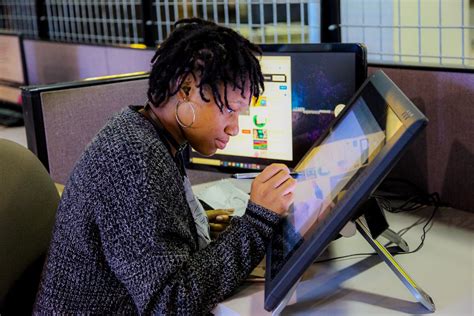
Unveil Limitless Possibilities with Digital Art
The advent of digital technology has transformed the creative landscape, opening up a world of limitless possibilities for artists. Digital art has emerged as a rapidly growing field, offering a diverse range of exciting and lucrative careers.

Unlock the Potential of Digital Art Skills
According to the U.S. Bureau of Labor Statistics, the job outlook for multimedia artists and animators is projected to grow by 6% from 2021 to 2031. This growth is driven by the increasing demand for digital content in various industries such as:
- Entertainment: Films, video games, animation
- Marketing: Social media campaigns, advertising
- Design: Product design, website design, illustration
- Education: E-learning materials, interactive simulations
Explore a Multitude of Career Paths
The digital art industry encompasses a wide range of specializations, allowing artists to pursue their unique passions and interests. Some of the most common career paths include:
- Concept Artist: Develop visual concepts for films, games, and other creative projects.
- Character Designer: Create and design characters for animation, games, and other digital media.
- Digital Painter: Use digital painting tools to create realistic or stylized artworks.
- Animator: Bring characters and scenes to life through digital animation.
- Visual Effects Artist: Create and integrate visual effects into films, television shows, and other projects.
Harness the Power of Digital Tools
Digital art empowers artists with a vast array of tools and techniques that were previously unavailable in traditional art forms. These tools allow artists to:
- Achieve High Precision: Create digital drawings and paintings with extreme accuracy and detail.
- Manipulate Colors and Textures: Experiment with a wide range of colors, textures, and effects to create unique and visually stunning artworks.
- Create 3D Models: Design and render three-dimensional models for use in animation, film, and game development.
- Simulate Real-Time Effects: Use advanced software to create realistic visual effects that simulate physics and natural phenomena.
Benefits of a Digital Art Career
Pursuing a career in digital art offers numerous benefits:
- High Income Potential: Skilled digital artists can earn substantial salaries, especially in fields such as film and game development.
- Job Stability: The growing demand for digital content ensures job security and stability in the field.
- Creative Fulfillment: Digital art allows artists to express their creativity in innovative and visually engaging ways.
- Remote Work Opportunities: Many digital art positions offer remote work options, providing flexibility and work-life balance.
Strategies for Success
To succeed in a digital art career, it is essential to:
- Master Digital Art Software: Develop proficiency in industry-standard software such as Adobe Photoshop, Illustrator, and Maya.
- Build a Strong Portfolio: Showcase your best digital artworks online and in physical portfolios.
- Network and Collaborate: Attend industry events, connect with other artists, and collaborate on projects.
- Stay Updated on Trends: Keep abreast of the latest advancements in digital art and emerging technologies.
Tips and Tricks
- Experiment with Different Styles: Explore various digital art styles to find what works best for your unique vision.
- Use Reference Images: Utilize reference images to create realistic and accurate artworks.
- Study Color Theory and Composition: Understand the principles of color theory and composition to create visually appealing and engaging artworks.
- Practice Regularly: Consistent practice is key to improving your digital art skills.
Innovating the Future of Digital Art
The future of digital art is bright, with endless possibilities for innovation and creativity. Emerging technologies such as artificial intelligence (AI) and virtual reality (VR) are transforming the field in exciting ways:
- AI-Generated Art: AI algorithms can create unique and visually stunning digital artworks.
- Virtual and Augmented Reality: Digital artists are using VR and AR to create interactive and immersive digital experiences.
- Digital Art as a Catalyst for Social Change: Digital art is increasingly being used to raise awareness and promote social issues.
Conclusion
The digital art industry offers a wealth of opportunities and rewards for aspiring artists. By embracing the power of digital tools and cultivating their skills, artists can embark on thrilling and fulfilling careers that push the boundaries of creativity and innovation.