Introduction

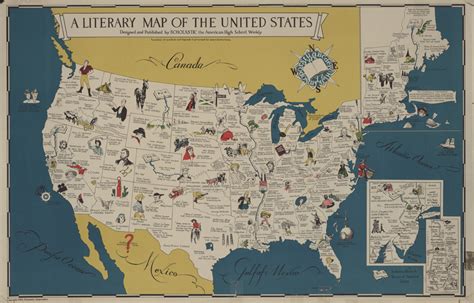
American literature, a vibrant and multifaceted tapestry, has played a pivotal role in shaping the nation’s identity, culture, and values. Through the written word, American authors have chronicled the nation’s triumphs, struggles, and complexities, providing a unique lens through which to understand the American experience.
The Birth of a Nation: Colonial and Revolutionary Era
The origins of American literature can be traced back to the colonial era, where Puritan writers like Anne Bradstreet and Jonathan Edwards explored religious themes and the challenges of the New World. The American Revolution marked a turning point, as writers such as Thomas Jefferson, Benjamin Franklin, and Thomas Paine penned influential documents that defined the nation’s ideals of liberty and democracy.
Romanticism and the American Landscape
The early 19th century witnessed the rise of Romanticism, an artistic movement that emphasized the power of nature, individuality, and imagination. American writers like Washington Irving, James Fenimore Cooper, and Nathaniel Hawthorne drew inspiration from the vast American landscape and the nation’s unique history.
Realism and Naturalism
As the nation entered the Industrial Age, literary realism and naturalism emerged as dominant forces. Realist writers like Mark Twain and William Dean Howells depicted the complexities of society, while naturalists like Stephen Crane and Theodore Dreiser explored the harsh realities of life and the influence of environment on human behavior.
Modernism and the Lost Generation
The early 20th century saw the rise of modernism, a literary movement that challenged traditional forms and explored themes of alienation, disillusionment, and fragmentation. Writers such as Ezra Pound, T.S. Eliot, and F. Scott Fitzgerald chronicled the experiences of the Lost Generation, a group of young Americans who came of age during World War I.
The Harlem Renaissance and African American Literature
The 1920s and 1930s witnessed the Harlem Renaissance, a cultural and artistic movement that celebrated African American identity and culture. Writers like Langston Hughes, Zora Neale Hurston, and Claude McKay explored themes of racial identity, social justice, and the beauty of the African American experience.
Postmodernism and American Literature
Following World War II, postmodernism emerged as a dominant literary force, characterized by fragmentation, irony, and metafiction. American writers like Toni Morrison, Paul Auster, and Don DeLillo challenged traditional narrative structures and explored the fluid nature of identity and reality.
Importance of American Literature
American literature has had a profound impact on the nation and the world. It:
- Shapes National Identity: American literature serves as a mirror, reflecting the nation’s history, values, and aspirations.
- Promotes Critical Thinking: By analyzing literature, students develop critical thinking skills and the ability to interpret complex texts.
- Enriches Cultural Understanding: American literature provides a window into the perspectives and experiences of diverse communities, fostering empathy and cultural sensitivity.
- Inspires Creativity and Imagination: Through exposure to the writings of great authors, students develop their own imaginations and become more creative thinkers.
- Preserves History and Culture: Literature documents the social, political, and cultural changes that have shaped American society.
American Literature Class: Exploring Literary Masterpieces
An American literature class provides an immersive experience that allows students to explore the rich tapestry of American literature. Through a combination of readings, discussions, and writing assignments, students:
- Read Masterpieces: Engage with classic works of American fiction, poetry, drama, and non-fiction, including authors such as Emily Dickinson, Mark Twain, Ernest Hemingway, and Toni Morrison.
- Analyze Literary Techniques: Examine how authors use language, structure, and symbolism to convey their ideas and emotions.
- Interpret Texts: Develop skills in close reading, critical analysis, and literary interpretation.
- Write Critically: Compose essays and other written assignments that demonstrate understanding of literary concepts and themes.
- Participate in Discussions: Engage in lively discussions with peers to exchange ideas and perspectives on literary works.
Benefits of Studying American Literature
Students who study American literature gain a number of benefits, including:
- Enhanced Literacy Skills: Improved reading, writing, and vocabulary skills.
- Critical Thinking Development: Increased ability to analyze and evaluate information.
- Cultural Awareness: Deeper understanding of American culture, history, and values.
- Appreciation of Literature: Developed appreciation for the art and craft of storytelling.
- Enhanced Problem-Solving Skills: Literary analysis helps students develop problem-solving skills and see issues from multiple perspectives.
Conclusion
American literature is a boundless source of knowledge, inspiration, and cultural understanding. Through the study of its masterpieces, students embark on a journey that illuminates the human experience, fosters critical thinking, and enriches their academic and personal lives. As the nation continues to evolve, so too will American literature, reflecting the complexities and triumphs of the American spirit.