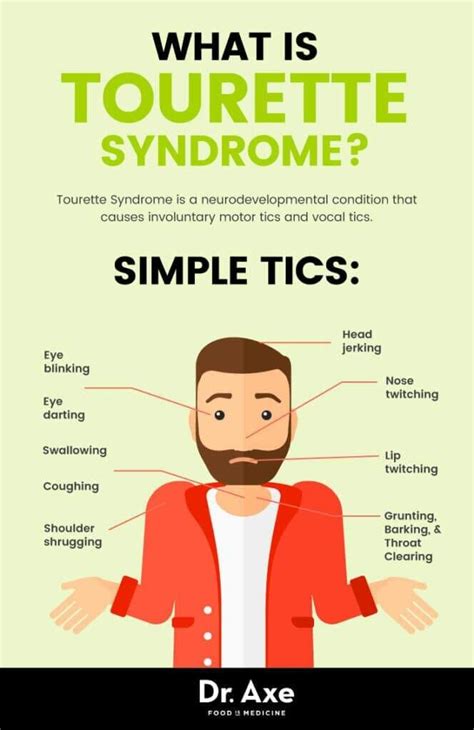
Tourette syndrome is a neurodevelopmental disorder characterized by tics, which are involuntary movements or sounds. Tics can range from simple (such as eye blinking or head shaking) to complex (such as jumping or shouting). Tourette’s can also cause other symptoms, such as attention deficit hyperactivity disorder (ADHD), obsessive-compulsive disorder (OCD), and anxiety.

If you have Tourette’s, choosing the right place to live is important. Here are some factors to consider:
Access to healthcare
Make sure you have access to a neurologist or other healthcare provider who specializes in Tourette’s. This doctor can provide you with medication, therapy, and other treatments to manage your symptoms.
Support groups
Support groups can provide you with a sense of community and support. They can also connect you with other people who have Tourette’s, so you can share experiences and learn from each other.
Educational opportunities
If you have children with Tourette’s, it’s important to choose a school that is supportive and understanding of their needs. The school should have teachers who are trained to work with children with Tourette’s, and it should have a supportive environment where children can feel comfortable and succeed.
Employment opportunities
If you have Tourette’s, you may face some challenges in finding employment. However, there are many employers who are willing to accommodate employees with Tourette’s. When looking for a job, be sure to disclose your Tourette’s to potential employers and ask about their policies on disability accommodations.
Community resources
There are many community resources available to people with Tourette’s. These resources can provide you with support, information, and advocacy. Some examples of community resources include:
- The Tourette Association of America
- The National Institute of Neurological Disorders and Stroke
- The American Academy of Neurology
Personal preferences
Ultimately, the best place to live for someone with Tourette’s is the place where they feel comfortable and supported. Consider your own needs and preferences when making a decision about where to live.
Best Places to Live for People with Tourette’s
There is no one-size-fits-all answer to the question of where to live if you have Tourette’s. However, some places are generally more supportive and accommodating of people with Tourette’s than others. Here are some of the best places to live for people with Tourette’s:
1. Minneapolis, Minnesota
Minneapolis is home to the Tourette Association of America, which provides support, information, and advocacy for people with Tourette’s. The city also has a number of schools and employers that are supportive of people with Tourette’s.
2. New York City, New York
New York City is a large and diverse city with a large population of people with Tourette’s. The city has a number of support groups, healthcare providers, and educational resources for people with Tourette’s.
3. Los Angeles, California
Los Angeles is another large and diverse city with a large population of people with Tourette’s. The city has a number of support groups, healthcare providers, and educational resources for people with Tourette’s.
4. Chicago, Illinois
Chicago is a large and diverse city with a large population of people with Tourette’s. The city has a number of support groups, healthcare providers, and educational resources for people with Tourette’s.
5. San Francisco, California
San Francisco is a large and diverse city with a large population of people with Tourette’s. The city has a number of support groups, healthcare providers, and educational resources for people with Tourette’s.
Common Mistakes to Avoid
When choosing a place to live, people with Tourette’s should avoid making the following mistakes:
- Moving to a place where they don’t have access to healthcare. This can make it difficult to manage your symptoms and get the support you need.
- Moving to a place where they don’t have access to support groups. Support groups can provide you with a sense of community and support, and they can also connect you with other people who have Tourette’s.
- Moving to a place where they don’t have access to educational opportunities. If you have children with Tourette’s, it’s important to choose a school that is supportive and understanding of their needs.
- Moving to a place where they don’t have access to employment opportunities. If you have Tourette’s, you may face some challenges in finding employment. However, there are many employers who are willing to accommodate employees with Tourette’s.
- Moving to a place where they don’t feel comfortable and supported. Ultimately, the best place to live for someone with Tourette’s is the place where they feel comfortable and supported.
FAQs
1. What is Tourette’s syndrome?
Tourette syndrome is a neurodevelopmental disorder characterized by tics, which are involuntary movements or sounds.
2. What are the symptoms of Tourette’s syndrome?
The symptoms of Tourette’s syndrome can vary from person to person. Some of the most common symptoms include:
- Tics
- ADHD
- OCD
- Anxiety
- Depression
- Learning disabilities
3. What causes Tourette’s syndrome?
The exact cause of Tourette’s syndrome is unknown, but it is believed to be caused by a combination of genetic and environmental factors.
4. Is there a cure for Tourette’s syndrome?
There is no cure for Tourette’s syndrome, but there are treatments that can help to manage the symptoms. These treatments include medication, therapy, and education.
5. How can I find support for Tourette’s syndrome?
There are a number of resources available to people with Tourette’s syndrome, including:
- The Tourette Association of America
- The National Institute of Neurological Disorders and Stroke
- The American Academy of Neurology
- Support groups
6. What are some tips for living with Tourette’s syndrome?
Here are some tips for living with Tourette’s syndrome:
- Learn about Tourette’s syndrome and its symptoms.
- Find a healthcare provider who specializes in Tourette’s syndrome.
- Join a support group.
- Educate others about Tourette’s syndrome.
- Advocate for yourself and your rights.
- Live a healthy lifestyle.