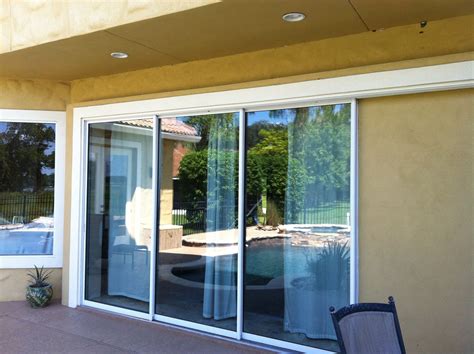
Sliding glass doors are a versatile and stylish addition to any home, offering panoramic views and abundant natural light. However, they can also present challenges related to excessive sunlight, privacy concerns, and energy efficiency. Sliding glass door tint is a practical and cost-effective solution that addresses these issues, transforming your sliding glass doors into multi-functional features that enhance comfort, privacy, and style.

Benefits of Sliding Glass Door Tint
Investing in sliding glass door tint yields numerous benefits that positively impact your home environment:
- Reduced Solar Heat Gain: Window film blocks up to 78% of the sun’s heat, effectively reducing the temperature inside your home. This translates to lower energy bills and increased comfort, especially during sweltering summer months.
- Enhanced Privacy: Sliding glass doors offer unobstructed views of your home, which can be a concern for those who value privacy. Reflective and frosted window films create a discreet barrier, allowing you to enjoy the outdoors without compromising your privacy.
- Improved Sun Protection: Overexposure to ultraviolet (UV) rays is a significant risk factor for skin cancer and premature aging. Window films block up to 99% of harmful UV rays, protecting occupants from the sun’s damaging effects.
- Added Energy Efficiency: By reducing solar heat gain and regulating indoor temperatures, sliding glass door tint helps minimize strain on your HVAC system. This results in energy savings and a reduced carbon footprint.
- Increased Aesthetic Appeal: Window films are available in various tints and finishes, allowing you to customize the appearance of your sliding glass doors. These films enhance the aesthetic appeal of your home while adding a touch of sophistication and privacy.
Types of Sliding Glass Door Tint
Understanding the different types of sliding glass door tint empowers you to select the option that best suits your specific needs and preferences:
1. Clear Window Film
Clear window film offers virtually invisible protection against solar heat gain and UV rays while maintaining a clear view of the outdoors. This type of film is ideal for areas where privacy is not a primary concern.
2. Tinted Window Film
Tinted window films reduce solar heat gain and provide varying levels of privacy, depending on the film’s tint shade. Darker tints offer greater privacy and reduce glare, while lighter tints allow for some visibility while still providing solar protection.
3. Reflective Window Film
Reflective window films effectively reduce solar heat gain and offer excellent privacy. The reflective surface bounces back sunlight, reducing heat absorption and providing a mirrored effect from the outside.
4. Decorative Window Film
Decorative window films add a touch of style and privacy to your sliding glass doors. These films come in various patterns, textures, and colors, allowing you to customize the look of your doors while maintaining a degree of transparency.
Choosing the Right Sliding Glass Door Tint
Selecting the appropriate sliding glass door tint involves considering several factors:
- Solar Heat Reduction: Determine the amount of solar heat you want to block based on your climate and the orientation of your sliding glass doors.
- Privacy Level: Assess your privacy needs and choose a film that offers the desired level of seclusion.
- Window Location: Consider the orientation and location of your sliding glass doors to determine the appropriate tint shade. Doors facing south or west may require darker tints.
- Aesthetic Appeal: Select a film that complements the exterior and interior design of your home.
- Budget: Sliding glass door tint prices vary depending on the type of film, size of the doors, and installation costs.
Installing Sliding Glass Door Tint
Installing sliding glass door tint is a specialized task that requires precision and expertise. It’s recommended to hire a professional window film installer to ensure proper installation and long-term performance of the film.
How to Install Sliding Glass Door Tint
- Clean the Glass: Thoroughly clean the glass surfaces to remove any dirt, dust, or debris.
- Prepare the Film: Cut the window film to the exact size of the glass surface, ensuring a precise fit.
- Apply the Film: Apply a wetting solution to the glass and carefully position the film. Use a squeegee to remove any air bubbles and ensure proper adhesion.
- Trim the Excess: Carefully trim the excess film around the edges of the glass.
- Dry the Film: Allow the film to dry completely before touching or cleaning it.
Effective Strategies for Installing Sliding Glass Door Tint
- Use a high-quality window film specifically designed for sliding glass doors.
- Hire a professional window film installer to ensure proper installation.
- Read and follow the manufacturer’s instructions carefully.
- Clean the glass thoroughly before applying the film.
- Use a squeegee to remove air bubbles and ensure a smooth finish.
- Allow the film to dry completely before touching or cleaning it.
Tips and Tricks for Installing Sliding Glass Door Tint
- Use a spray bottle to apply the wetting solution for easier and more even application.
- Use a lint-free cloth or microfiber towel to remove any water or debris from the film.
- Start from the center of the glass and work your way out to prevent air bubbles.
- Use a heat gun or hairdryer to gently heat the film and make it more pliable for a better fit.
- If you notice any air bubbles, gently lift a corner of the film and use a small needle or sharp object to release the air.
Sliding Glass Door Tint for Commercial Applications
In addition to residential applications, sliding glass door tint also offers valuable benefits for commercial properties:
- Reduced Energy Costs: Window film helps reduce cooling costs by up to 30% in commercial buildings, resulting in significant energy savings.
- Improved Employee Comfort: Tinted glass doors create a more comfortable and productive work environment by reducing glare and heat.
- Increased Privacy: Window films enhance privacy in meeting rooms, conference rooms, and other areas where it is desired.
- Increased Safety: Security window films add an extra layer of protection against breakage and vandalism.
Table 1: Types of Sliding Glass Door Tint
| Type of Film | Benefits | Applications |
|---|---|---|
| Clear | Virtually invisible protection against solar heat gain and UV rays | Areas where privacy is not a primary concern |
| Tinted | Varies in solar heat reduction and privacy level | Areas needing balanced protection and privacy |
| Reflective | Excellent solar heat reduction and privacy | Areas requiring high levels of privacy and heat control |
| Decorative | Adds style and privacy with various patterns and colors | Areas where aesthetic appeal is prioritized over privacy |
Table 2: Benefits of Sliding Glass Door Tint
| Benefit | Advantages |
|---|---|
| Reduced Solar Heat Gain | Lower cooling costs, increased indoor comfort |
| Enhanced Privacy | Discreet barrier against outside views, increased privacy |
| Improved Sun Protection | Blocks up to 99% of harmful UV rays, protects occupants |
| Added Energy Efficiency | Reduces strain on HVAC systems, minimizes energy use |
| Increased Aesthetic Appeal | Customizes appearance, enhances style and privacy |
Table 3: Effective Strategies for Installing Sliding Glass Door Tint
| Strategy | Purpose |
|---|---|
| Hire a professional | Ensures proper installation and long-term performance |
| Read manufacturer’s instructions | Provides guidance for optimal installation |
| Clean the glass thoroughly | Removes dirt and ensures proper adhesion |
| Use a squeegee | Removes air bubbles and ensures a smooth finish |
| Allow the film to dry completely | Prevents damage and ensures optimal performance |
Table 4: Tips and Tricks for Installing Sliding Glass Door Tint
| Tip/Trick | Purpose |
|---|---|
| Use a spray bottle for wetting solution | Ensures even application |
| Use a heat gun or hairdryer | Makes the film more pliable for a better fit |
| Remove air bubbles with a needle | Releases air without damaging the film |
| Start from the center of the glass | Prevents uneven application |
| Use a lint-free cloth | Prevents scratching or smudges |
Innovation and the Future of Sliding Glass Door Tint
The realm of sliding glass door tint is constantly evolving, driven by technological advancements and creative applications. Here’s a futuristic term that encapsulates this ongoing innovation:
Envirotint
Envirotint is a revolutionary type of sliding glass door tint that goes beyond traditional solar protection and privacy enhancements. It harnesses advanced materials and technologies to provide cutting-edge features:
- Self-cleaning Properties: Envirotint features a hydrophobic coating that repels water and dirt, resulting in reduced maintenance and cleaner glass surfaces