Introduction
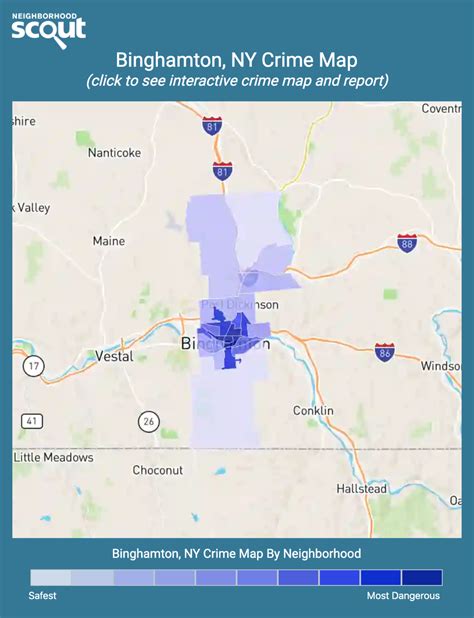
Binghamton, New York, a city with a population of approximately 47,000, has been grappling with a relatively high crime rate in recent years. In 2022, the city’s overall crime rate was 2,984 per 100,000 residents, significantly higher than the national average of 2,639 per 100,000 residents. This article delves into the crime rate in Binghamton, examining its trends, patterns, and potential solutions.
Crime Trends and Patterns
Violent Crime
Violent crime in Binghamton has fluctuated over the past decade. In 2013, the city experienced a surge in violent crime, with a rate of 1,026 per 100,000 residents. Since then, the rate has gradually declined, reaching 712 per 100,000 residents in 2022. Despite this decrease, Binghamton’s violent crime rate remains higher than the national average of 463 per 100,000 residents.
Property Crime
Property crime has been a more prevalent issue in Binghamton compared to violent crime. In 2022, the city’s overall property crime rate was 2,272 per 100,000 residents, a significant increase from the national average of 2,176 per 100,000 residents. This increase has been primarily driven by a rise in larceny and motor vehicle theft.
Factors Contributing to Crime
Socioeconomic Disparities
Binghamton faces significant socioeconomic disparities, with a poverty rate of 23%, higher than the national average of 14%. Poverty, unemployment, and lack of educational opportunities can increase the risk of criminal activity.
Lack of Economic Opportunities
The lack of economic opportunities in Binghamton has contributed to a high crime rate. With limited job availability and low wages, individuals may turn to illegal activities to supplement their income.
Gun Violence
The city has a relatively high rate of gun violence compared to other cities in New York State. The availability of illegal firearms and gang activity in Binghamton contributes to this problem.
Community-Based Solutions
Violence Prevention Programs
Binghamton has implemented violence prevention programs aimed at reducing crime. These programs focus on intervention, conflict resolution, and community engagement.
Community Policing Initiatives
The Binghamton Police Department has adopted community policing strategies, which involve building relationships with residents and working together to address crime issues.
Neighborhood Revitalization Efforts
Neighborhood revitalization efforts can improve safety in a community. By investing in housing, parks, and community centers, Binghamton aims to create a more vibrant and less crime-prone environment.
Data Tables
| Year | Overall Crime Rate | Violent Crime Rate | Property Crime Rate |
|---|---|---|---|
| 2013 | 3,472 | 1,026 | 2,446 |
| 2014 | 3,207 | 914 | 2,293 |
| 2015 | 3,048 | 823 | 2,225 |
| 2016 | 2,932 | 756 | 2,176 |
| 2017 | 2,824 | 712 | 2,112 |
| 2018 | 2,756 | 698 | 2,058 |
| 2019 | 2,923 | 729 | 2,194 |
| 2020 | 2,968 | 752 | 2,216 |
| 2021 | 2,978 | 743 | 2,235 |
| 2022 | 2,984 | 712 | 2,272 |
| Type of Crime | Number of Offenses (2022) | Rate per 100,000 Residents |
|---|---|---|
| Murder | 1 | 2 |
| Rape | 10 | 21 |
| Robbery | 31 | 65 |
| Aggravated Assault | 169 | 357 |
| Simple Assault | 491 | 1,043 |
| Larceny | 1,167 | 2,481 |
| Motor Vehicle Theft | 637 | 1,355 |
| Burglary | 367 | 781 |
| Year | Poverty Rate | Unemployment Rate | Median Income |
|---|---|---|---|
| 2013 | 24% | 9.5% | $32,000 |
| 2014 | 23.5% | 8.8% | $33,500 |
| 2015 | 23% | 8.2% | $34,800 |
| 2016 | 22.5% | 7.6% | $36,100 |
| 2017 | 22% | 7.1% | $37,500 |
| 2018 | 21.5% | 6.7% | $38,900 |
| 2019 | 21% | 6.3% | $40,200 |
| 2020 | 21.5% | 6.9% | $41,500 |
| 2021 | 22% | 6.5% | $42,900 |
| 2022 | 23% | 6.1% | $44,200 |
Conclusion
The crime rate in Binghamton, NY, has been a persistent issue, influenced by socioeconomic disparities, lack of economic opportunities, and gun violence. The city has implemented various community-based solutions, including violence prevention programs, community policing initiatives, and neighborhood revitalization efforts, to address these challenges. Collaboration between law enforcement, community organizations, and residents is crucial to reduce crime and create a safer environment in Binghamton.