Introduction

Hillsdale College, nestled in the charming town of Hillsdale, Michigan, is a renowned liberal arts institution known for its academic excellence, conservative values, and commitment to free inquiry. The college’s unwavering dedication to academic freedom and robust intellectual discourse has earned it a distinguished reputation both nationally and internationally.
Tuition Costs for Undergraduate Students
As a private institution, Hillsdale College does not receive state funding and relies primarily on tuition revenue and private donations to cover its operating expenses. Consequently, the cost of attendance is higher than at public universities.
For the 2023-2024 academic year, the tuition for full-time undergraduate students is $33,470 per year, excluding additional fees and expenses. This figure represents a 3.5% increase from the previous year.
Breakdown of Tuition Costs
The total tuition cost for undergraduate students covers a comprehensive range of services and benefits:
- Instruction: The core purpose of tuition fees is to fund the delivery of high-quality instruction by renowned faculty members. Hillsdale College prides itself on its low student-to-faculty ratio, enabling personalized attention and mentorship.
- Academic Support: Tuition also supports academic support services such as tutoring, writing centers, and library resources, ensuring that students have the necessary tools to succeed.
- Campus Facilities: The college invests in state-of-the-art campus facilities, including libraries, laboratories, athletic fields, and student housing, which contribute to the overall student experience.
- Student Activities: Tuition supports a wide range of student activities, organizations, and clubs, fostering a vibrant and engaging campus life.
Financial Aid and Scholarships
Hillsdale College recognizes that the cost of tuition can be a significant financial burden for many students. To assist deserving individuals, the college offers a generous financial aid program that provides scholarships, grants, and loans.
In the 2021-2022 academic year, Hillsdale College awarded over $79 million in financial aid, including:
- Academic Scholarships: The college offers merit-based scholarships to students with exceptional academic achievements and leadership potential.
- Need-Based Scholarships: Hillsdale College also offers need-based scholarships to students who demonstrate financial need. These scholarships are awarded in varying amounts based on the student’s financial situation.
- External Scholarships: Students are encouraged to explore external scholarship opportunities through various organizations and foundations. Hillsdale College’s Office of Financial Aid provides guidance and assistance in this process.
Tips for Saving on Hillsdale College Tuition
While the cost of tuition may be substantial, there are several strategies students can employ to minimize expenses:
- Apply for Scholarships: Take advantage of the generous scholarship opportunities offered by Hillsdale College and other external sources.
- Explore Financial Aid: Consult with the Office of Financial Aid to determine eligibility for need-based scholarships and loans.
- Consider a Payment Plan: Hillsdale College offers payment plans that allow students to spread out tuition payments over a period of time.
- Earn College Credit in High School: Completing Advanced Placement (AP) or International Baccalaureate (IB) courses in high school can earn college credit and potentially reduce the number of semesters required to graduate.
- Attend Summer School: Taking summer courses can accelerate progress towards a degree and reduce the overall cost of tuition.
Common Mistakes to Avoid
It is essential for students and their families to avoid common mistakes that can increase the cost of Hillsdale College tuition:
- Not Applying for Financial Aid: Many students fail to apply for financial aid, which can result in missing out on valuable scholarships and grants.
- Borrowing Excessively: While loans can be a helpful way to cover tuition costs, it is crucial to avoid borrowing more than is necessary. High levels of debt can burden students financially in the long run.
- Delaying Graduation: Students who extend their time to graduate will incur additional tuition costs. It is important to plan a realistic academic schedule to avoid unnecessary delays.
- Not Considering Off-Campus Housing: While on-campus housing is convenient, it can be more expensive than living off-campus. Students should explore off-campus housing options to save money.
- Overestimating Financial Aid: Students and families should be realistic about the amount of financial aid they can expect to receive. Relying too heavily on financial aid can lead to financial difficulties.
FAQs
1. What is the tuition cost for part-time undergraduate students?
The tuition rate for part-time undergraduate students is $1,130 per credit hour for the 2023-2024 academic year.
2. Does Hillsdale College offer graduate programs?
Yes, Hillsdale College offers graduate programs in a variety of disciplines, including business, education, law, and public policy. Graduate tuition rates vary depending on the program.
3. How do I apply for financial aid?
Students must submit the Free Application for Federal Student Aid (FAFSA) to be considered for financial aid. The FAFSA is available online at fafsa.gov.
4. What is the acceptance rate at Hillsdale College?
The acceptance rate at Hillsdale College for the 2022-2023 academic year was 45%.
5. What is the average SAT score of incoming freshmen?
The average SAT score for incoming freshmen in the 2022-2023 academic year was 1330.
6. What is the average ACT score of incoming freshmen?
The average ACT score for incoming freshmen in the 2022-2023 academic year was 30.
7. What is the student-to-faculty ratio at Hillsdale College?
The student-to-faculty ratio at Hillsdale College is 11:1.
8. What is the graduation rate at Hillsdale College?
The graduation rate at Hillsdale College for the 2022-2023 academic year was 89%.
Tables
| Tuition Costs for Undergraduate Students |
|—|—|
| Full-Time Tuition | $33,470 |
| Part-Time Tuition (per credit hour) | $1,130 |
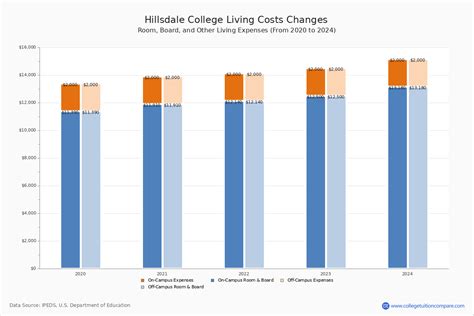
| Room and Board | $15,100 |
| Fees and Other Expenses | $1,800 |
| Financial Aid and Scholarships |
|—|—|
| Total Financial Aid Awarded (2021-2022) | $79 million |
| Academic Scholarships | Merit-based for students with exceptional achievements |
| Need-Based Scholarships | Awarded based on financial need |
| External Scholarships | Opportunities through various organizations and foundations |
| Common Mistakes to Avoid |
|—|—|
| Not Applying for Financial Aid | Results in missing out on scholarships and grants |
| Borrowing Excessively | Can lead to financial burden in the long run |
| Delaying Graduation | Incur additional tuition costs |
| Not Considering Off-Campus Housing | More expensive than living off-campus |
| Overestimating Financial Aid | Can lead to financial difficulties |
| FAQs |
|—|—|
| What is the acceptance rate? | 45% |
| What is the average SAT score? | 1330 |
| What is the average ACT score? | 30 |
| What is the student-to-faculty ratio? | 11:1 |
| What is the graduation rate? | 89% |