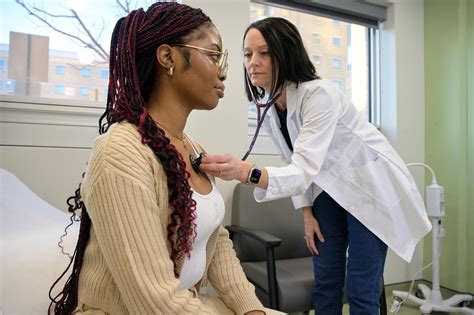
Nursing is a highly rewarding and impactful career that plays a crucial role in healthcare delivery. A Bachelor of Science in Nursing (BSN) is the foundation for a successful nursing practice, offering a comprehensive education that prepares graduates for the challenges and rewards of the profession.

Choosing the Right BSN Program
Selecting the right BSN program is essential for your future success as a nurse. Consider the following factors:
- Accreditation: Accreditation by the Commission on Collegiate Nursing Education (CCNE) or the Accreditation Commission for Education in Nursing (ACEN) ensures that the program meets rigorous standards.
- Faculty: Look for programs with experienced and accomplished faculty who are dedicated to student success and engaged in research and clinical practice.
- Curriculum: A strong curriculum should cover a broad range of nursing topics, including clinical experiences, critical thinking skills, and ethical decision-making.
- Clinical Rotations: Seek programs that provide ample opportunities for hands-on clinical experience in various healthcare settings, allowing you to apply your knowledge in real-world scenarios.
- Student Support: Consider programs that offer a supportive learning environment with academic advising, tutoring, and mental health services.
Top-Ranked BSN Programs
According to the U.S. News & World Report’s 2023 Best Graduate Schools rankings, the following universities offer exceptional BSN programs:
| Rank | University | Location |
|---|---|---|
| 1 | University of Pennsylvania | Philadelphia, PA |
| 2 | Duke University | Durham, NC |
| 3 | University of California, San Francisco | San Francisco, CA |
| 4 | Johns Hopkins University | Baltimore, MD |
| 5 | Columbia University | New York, NY |
Benefits of a BSN Degree
Pursuing a BSN degree offers numerous benefits for aspiring nurses:
- Enhanced Job Opportunities: BSN graduates have a competitive advantage in the job market, securing higher-paying positions and broader career opportunities.
- Increased Clinical Skills: A BSN program provides extensive clinical experience, developing nurses’ critical thinking, problem-solving, and technical skills.
- Better Patient Outcomes: Studies have shown that nurses with BSNs provide better patient care, resulting in improved health outcomes and reduced healthcare costs.
- Professional Recognition: BSN graduates are recognized as highly qualified and competent nurses, earning the respect of their peers and healthcare professionals.
- Career Advancement: A BSN degree serves as a stepping stone for nurses seeking advanced practice roles, such as nurse practitioners and nurse anesthetists.
Addressing Pain Points
Prospective nurses may face various challenges when pursuing a BSN degree:
- Cost: The cost of education can be a significant barrier, but there are financial assistance options available, such as scholarships and student loans.
- Time Commitment: BSN programs typically take four years to complete, requiring a significant time investment.
- Balancing Studies with Other Responsibilities: Students may need to juggle schoolwork with family, work, or other commitments.
- Clinical Placement Competition: Securing clinical placement can sometimes be competitive, requiring students to plan ahead and stay organized.
Despite these challenges, the rewards of pursuing a BSN degree far outweigh the obstacles. With perseverance and dedication, nurses can overcome these pain points and achieve their career aspirations.
Motivations for Pursuing a BSN
Various factors motivate individuals to pursue a BSN degree:
- Passion for Healthcare: Many students are drawn to nursing due to their passion for helping others and improving patient lives.
- Career Growth: BSN graduates have the knowledge and skills to advance their careers and assume leadership roles in healthcare.
- Financial Stability: Nurses with BSNs typically earn higher salaries than those with associate degrees.
- Making a Difference: Nurses impact countless lives daily, making a tangible difference in the health and well-being of their communities.
- Intellectual Curiosity: The study of nursing requires critical thinking, problem-solving, and a lifelong commitment to learning.
Innovative Ideas for BSN Programs
To address the evolving needs of the healthcare industry, BSN programs are actively exploring innovative ideas to enhance student learning:
- Simulation Labs: Advanced simulation labs allow students to practice clinical skills in a safe and controlled environment, reducing the risk of errors in real-world settings.
- Interprofessional Education: Programs are collaborating with other healthcare disciplines to prepare nurses for effective interprofessional teamwork.
- Technology Integration: BSN programs are incorporating technology into the classroom to enhance student engagement, access to learning materials, and clinical experiences.
- Community Partnerships: Schools are partnering with community organizations to provide students with opportunities for service learning and to address health disparities in underserved areas.
Conclusion
A BSN degree is a transformative educational experience that empowers nurses with the knowledge, skills, and values to provide compassionate and high-quality patient care. By carefully selecting a program that aligns with their individual needs and motivations, aspiring nurses can embark on a rewarding career that positively impacts the lives of others.