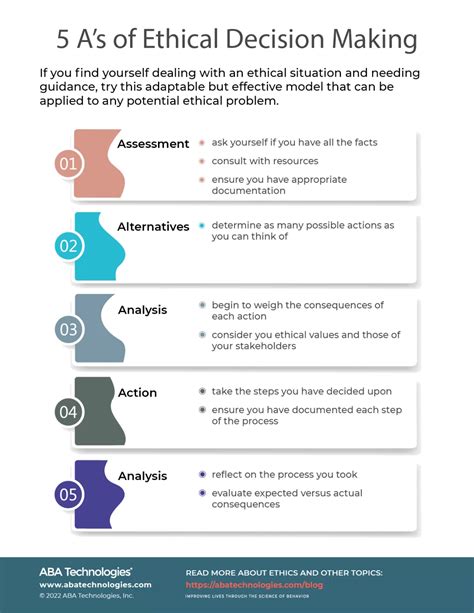


Ethics, a profound concept that permeates every aspect of human conduct, serves as the compass guiding us toward virtuous and responsible actions. It offers a framework for discerning right from wrong, good from evil, and shapes our moral choices that impact ourselves, others, and the world around us.
The Significance of Ethics in Contemporary Society
In today’s complex and ever-evolving societal landscape, ethics has become more crucial than ever. As technology advances at an unprecedented pace, we face novel ethical dilemmas that challenge our existing frameworks. From the implications of artificial intelligence on job displacement to the ethical use of personal data in digital realms, the need for ethical decision-making is paramount.
Moreover, the globalization of economies and the interconnectedness of societies have amplified the impact of ethical choices. Actions taken in one corner of the world can have far-reaching consequences elsewhere, making ethical considerations imperative for addressing global challenges such as climate change, poverty, and inequality.
Key Principles of Ethical Decision-Making
Navigating the intricate world of ethics requires adherence to fundamental principles that guide our actions and ensure morally sound outcomes. Three core principles that underpin ethical decision-making include:
1. Respect for Autonomy
Respecting autonomy entails recognizing and valuing the individuality and self-determination of others. It involves honoring their right to make choices that align with their values, beliefs, and preferences, even if we do not agree with them. This principle fosters human dignity and empowers individuals to exercise their agency in ethical decision-making.
2. Beneficence and Non-Maleficence
Beneficence compels us to act in ways that promote the well-being of others, while non-maleficence obligates us to avoid causing harm. Ethical decision-making should strive to maximize benefits and minimize potential risks to individuals, communities, and the environment.
3. Justice
Justice demands fairness and impartiality in the distribution of benefits and burdens. It ensures that individuals are treated equitably, without discrimination or bias. Ethical decision-making should promote just outcomes that respect the rights and interests of all parties involved.
Ethics and Its Applications in Various Fields
The principles of ethics permeate a wide range of human endeavors, from personal interactions to professional domains. Some key areas where ethics plays a pivotal role include:
1. Business Ethics
In the realm of business, ethics guides decision-making related to corporate governance, stakeholder relationships, environmental sustainability, and ethical marketing practices. It ensures that businesses operate in a responsible and socially conscious manner, considering the impact of their actions on employees, customers, and the wider community.
2. Medical Ethics
Medical ethics grapples with complex issues surrounding patient autonomy, informed consent, end-of-life care, and the allocation of scarce resources. Health professionals must navigate ethical dilemmas to provide compassionate and ethical care while respecting patient rights and upholding the principles of beneficence and non-maleficence.
3. Environmental Ethics
Environmental ethics addresses the complex relationship between humans and the natural world. It explores issues such as biodiversity conservation, pollution control, and climate change mitigation. Ethical decision-making in this realm necessitates balancing economic development with environmental protection for the well-being of both present and future generations.
4. Technology Ethics
The rapid advancement of technology has brought forth novel ethical challenges. Technology ethics examines the impact of new technologies on society, including concerns related to privacy, data security, algorithmic bias, and the responsible development and use of artificial intelligence.
Emerging Trends in Ethics
As society grapples with evolving challenges, new trends in ethics are emerging that shape ethical decision-making. Some notable trends include:
1. Virtue Ethics
Virtue ethics focuses on cultivating virtuous character traits, such as integrity, compassion, and wisdom. It emphasizes the importance of moral habits and dispositions in guiding ethical conduct, rather than solely relying on rules and principles.
2. Care Ethics
Care ethics prioritizes relationships, empathy, and the well-being of others. It recognizes the importance of caring for vulnerable individuals and promoting social justice. Care ethics has gained prominence in fields such as healthcare, social work, and education.
3. Narrative Ethics
Narrative ethics emphasizes the role of storytelling in understanding and resolving ethical dilemmas. It encourages individuals to share their personal experiences and perspectives to gain a deeper understanding of the moral dimensions of a situation.
Challenges in Ethical Decision-Making
Despite the importance of ethics, individuals and organizations often encounter challenges in making ethical decisions. Some common obstacles include:
1. Conflicting Values
In real-world scenarios, ethical dilemmas often arise from conflicts between competing values. For example, a business may face a situation where maximizing profits conflicts with environmental sustainability. Navigating these conflicts requires careful consideration and a willingness to compromise.
2. Limited Information
Ethical decision-making is often hindered by limited information or uncertainty. The inability to fully anticipate all potential consequences or the lack of reliable data can make it difficult to make informed ethical choices.
3. Biases and Prejudices
Personal biases and prejudices can cloud our ethical judgment. Unconscious biases, such as stereotypes or preconceived notions, can lead to unfair or discriminatory decisions. Recognizing and mitigating these biases is crucial for ethical decision-making.
Introducing “Ethify”: A Novel Concept to Enhance Ethical Decision-Making
To address the challenges of ethical decision-making, we propose the concept of “ethify.” Ethify involves actively applying ethical principles and frameworks to various aspects of our lives, both personal and professional.
By ethifying our actions, we aim to:
- Promote ethical awareness and foster a culture of integrity.
- Develop ethical frameworks and guidelines for decision-making.
- Enhance our ability to recognize and resolve ethical dilemmas.
- Foster collaboration and dialogue around ethical issues.
- Empower individuals and organizations to make responsible and ethical choices.
Benefits of Ethification
Ethify offers numerous benefits for individuals, organizations, and societies at large. These benefits include:
| Benefit | Description |
|---|---|
| Enhanced Trust and Reputation | Ethical behavior fosters trust and builds a positive reputation, which is crucial for businesses, organizations, and individuals alike. |
| Increased Innovation and Creativity | Ethical considerations stimulate innovative thinking and encourage the exploration of new solutions that align with moral principles. |
| Improved Decision-Making | Ethify provides a structured and principle-based approach to decision-making, leading to more informed and morally sound choices. |
| Enhanced Stakeholder Engagement | Ethical practices foster positive relationships with stakeholders, including customers, employees, and the community, resulting in increased engagement and support. |
Practical Applications of Ethify
Ethify can be applied in a wide range of contexts to enhance ethical decision-making. Here are some practical applications:
| Application | Description |
|---|---|
| Business Ethics | Ethify can guide ethical decision-making in business practices, including supplier relationships, marketing strategies, and environmental sustainability. |
| Healthcare Ethics | Ethify can assist healthcare professionals in navigating ethical dilemmas related to patient care, end-of-life decisions, and resource allocation. |
| Education Ethics | Ethify can promote ethical conduct in educational settings, addressing issues such as plagiarism, academic integrity, and the fair treatment of students. |
| Technology Ethics | Ethify can address ethical concerns surrounding data privacy, algorithmic bias, and the responsible development and use of artificial intelligence. |
Case Studies of Successful Ethification
Organizations around the world have successfully implemented ethification strategies to enhance their ethical performance. Here are two notable case studies:
| Organization | Ethification Strategy | Outcome |
|---|---|---|
| Patagonia | Established a comprehensive environmental sustainability program, including using recycled materials, reducing carbon footprint, and supporting conservation efforts. | Enhanced brand reputation, increased customer loyalty, and reduced environmental impact. |
| Tata Group | Developed a Code of Conduct that emphasizes ethics, integrity, and social responsibility. Implemented training programs and ethical review mechanisms. | Improved trust and reputation, fostered a culture of ethical behavior, and contributed to the well-being of stakeholders. |