Navigating the Transfer Process to Michigan State University

Michigan State University (MSU) welcomes transfer students from across the globe. With its renowned academic programs, vibrant campus life, and commitment to student success, MSU has consistently ranked among the top universities in the United States. Understanding the transfer requirements is crucial for prospective students seeking admission to this prestigious institution.
Transfer Student Profile
MSU accepts transfer applications from students who have completed at least 24 transferable semester credits with a cumulative GPA of 2.5 or higher. Ideal candidates demonstrate a strong academic record in their previous institution, possess transferable coursework that aligns with MSU’s degree requirements, and show a genuine interest in the university’s mission and values.
Course Requirements
Transfer students are expected to meet specific course requirements before enrolling at MSU. The university requires:
- English Composition: Two semesters of college-level English composition
- Math: One semester of college-level mathematics (e.g., algebra, statistics, or calculus)
- Natural Science: Two semesters of laboratory science courses in different fields (e.g., biology, chemistry, physics, or geology)
- Social Science: Two semesters of social science courses (e.g., history, sociology, psychology, or economics)
- Humanities: One semester of a humanities course (e.g., literature, philosophy, or art history)
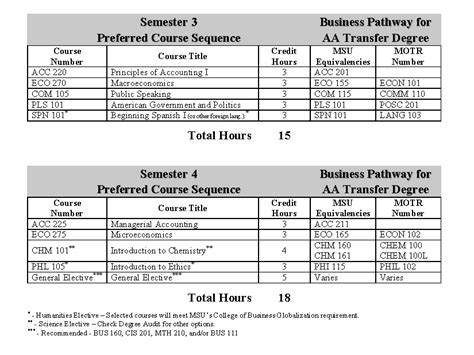
In addition to these general education requirements, students should also complete coursework relevant to their intended major. MSU offers a variety of transfer articulation agreements with community colleges and other universities, which outline specific courses that transfer directly into MSU degree programs.
GPA Requirements
Prospective transfer students should have a minimum cumulative GPA of 2.5 on a 4.0 scale to be considered for admission. However, the average GPA of admitted transfer students is typically higher. According to the university’s Admissions Office, the average GPA of transfer students admitted for the fall 2022 semester was 3.3.
Application Process
To apply as a transfer student, you must:
- Submit an online application on the MSU Admissions website
- Pay a non-refundable application fee of $55
- Submit official transcripts from all previously attended colleges or universities
- Request letters of recommendation (optional)
Deadlines and Timelines
MSU has two application deadlines for transfer students:
- Fall Semester: May 1
- Spring Semester: November 1
International transfer students should apply well before these deadlines to allow ample time for visa processing and other requirements.
Motivation and Benefits of Transferring
Transferring to MSU can be a transformative experience, offering numerous benefits:
- Access to a World-Class University: MSU is consistently ranked among the top universities in the United States, providing students with access to exceptional academic programs, cutting-edge research opportunities, and renowned faculty.
- Specialized Degree Programs: MSU offers over 200 undergraduate and graduate degree programs, including specialized fields such as supply chain management, food science, and packaging.
- Vibrant Campus Life: MSU boasts an active and engaged campus community with over 500 student organizations, athletic teams, and cultural events.
- Career Advancement: MSU graduates are highly sought after by employers in various industries. The university’s dedicated Career Services Network provides extensive support and resources to students in their job search and career development.
Tips and Tricks
To increase your chances of admission as a transfer student, consider the following tips:
- Build a Strong Academic Record: Maintain a high GPA in your previous institution and focus on completing coursework relevant to your intended major at MSU.
- Take Advantage of Articulation Agreements: Utilize transfer articulation agreements with community colleges or other universities to ensure that your courses will transfer seamlessly into MSU degree programs.
- Write a Compelling Personal Statement: Take the time to craft a well-written personal statement that showcases your motivation, academic interests, and fit with MSU.
- Request Strong Letters of Recommendation: Ask professors or advisors who can attest to your academic abilities, work ethic, and personal qualities.
- Apply Early: Submit your application well before the deadline to increase your chances of admission.
Transfer Resources
MSU provides numerous resources to support transfer students:
- Transfer Admissions Office: The Transfer Admissions Office provides guidance and assistance throughout the transfer process.
- Transfer Student Success Center: The Transfer Student Success Center offers academic support, advising, and mentorship programs specifically designed for transfer students.
- Spartan Transfer Network: The Spartan Transfer Network is a student-run organization that connects transfer students with mentors, resources, and social events.
Conclusion
Transferring to Michigan State University is an exciting opportunity to advance your academic and professional goals. By carefully following the transfer requirements, seeking support from available resources, and demonstrating your motivation and commitment, you can increase your chances of success in the transfer process and embark on a transformative educational journey at MSU.