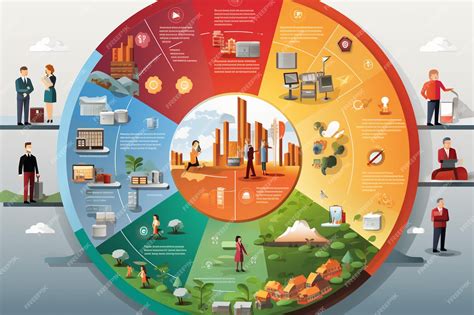
In an era where businesses face unprecedented challenges and opportunities, strategic design and management has emerged as a critical imperative. By harnessing the power of design thinking, organizations can create innovative solutions that address real-world problems, drive growth, and positively impact society.

Design Thinking: A Human-Centered Approach
Strategic design is rooted in the principles of human-centered design thinking, which places the user at the heart of every decision. This approach emphasizes empathy, problem-framing, ideation, prototyping, and testing to create solutions that meet the needs and desires of customers.
The Roles of Strategy and Design
Strategic design and management intertwine to form a powerful combination. Strategy provides the direction and vision for the organization, while design translates that vision into tangible solutions. Together, they enable businesses to:
- Identify and exploit opportunities: Design thinking empowers teams to uncover unmet customer needs and develop innovative offerings that meet those needs.
- Differentiate in the marketplace: By understanding the unique perspectives and values of customers, organizations can create products and services that stand out from the competition.
- Improve customer engagement: Human-centered design ensures that solutions resonate with customers on an emotional level, fostering loyalty and driving brand advocacy.
- Reduce risk and increase efficiency: By testing and validating ideas early in the development process, organizations can minimize the risk of costly failures and optimize their resources.
Metrics of Success: Quantifying the Impact of Strategic Design
The success of strategic design initiatives can be measured through various metrics, including:
- Customer satisfaction: Surveys, interviews, and customer feedback can gauge customer satisfaction with new products and services.
- Market share: Tracking market share over time indicates the impact of design thinking on business growth.
- Revenue: Design-driven innovation can lead to increased sales and revenue for the organization.
- Reduced costs: By eliminating unnecessary features and optimizing design, businesses can reduce production and maintenance costs.
Strategic Design in Action: Case Studies
Numerous organizations have successfully leveraged strategic design to transform their businesses. Here are a few notable examples:
- Airbnb: By understanding the needs of both hosts and guests, Airbnb created a user-friendly platform that revolutionized the travel industry.
- Apple: Apple’s meticulous attention to design has resulted in iconic products like the iPhone and iPad, which have transformed the way people interact with technology.
- IKEA: IKEA’s emphasis on affordable, functional design has made it a global furniture powerhouse, catering to the needs of customers on a budget.
Tools for Embracing Strategic Design and Management
Organizations can employ a range of tools and techniques to embrace strategic design and management, including:
- Design sprints: Time-boxed, collaborative workshops to generate and test innovative solutions.
- User research: In-depth interviews, surveys, and observations to gain insights into customer needs and behavior.
- Prototyping: The creation of tangible or digital models to test and refine ideas.
- Agile development: An iterative approach to software development that incorporates customer feedback throughout the process.
Implementation Considerations: Best Practices for Success
To successfully implement strategic design and management, organizations should consider the following best practices:
- Foster a culture of innovation: Encourage experimentation, risk-taking, and out-of-the-box thinking.
- Establish a cross-functional team: Bring together diverse perspectives from design, engineering, marketing, and other departments.
- Empower design leaders: Provide design leaders with a seat at the decision-making table and the authority to drive innovation.
- Measure and iterate: Continuously track progress and make adjustments based on customer feedback and data analysis.
Conclusion: The Power of Design for Business Impact
Strategic design and management is not merely a buzzword or a fad. It is a transformative force that can empower businesses to innovate, grow, and create value for both customers and society. By embracing human-centered design thinking and adopting best practices, organizations can harness the power of design to achieve lasting success.
Table 1: Benefits of Strategic Design
| Benefit | Description |
|---|---|
| Increased innovation: Uncovers unmet customer needs and generates novel solutions. | |
| Improved customer engagement: Creates products and services that resonate with customers emotionally. | |
| Reduced risk and cost: Tests and validates ideas early in the development process. | |
| Differentiation in the marketplace: Develops unique offerings that stand out from the competition. | |
| Sustainability: Encourages the creation of products and services that are environmentally friendly and socially responsible. |
Table 2: Metrics of Success for Strategic Design Initiatives
| Metric | Description |
|---|---|
| Customer satisfaction: Percentage of customers satisfied with new products and services. | |
| Market share: Percentage of the target market share captured by the organization. | |
| Revenue: Increase in sales and revenue attributed to design-driven innovation. | |
| Reduced costs: Savings realized by eliminating unnecessary features and optimizing design. | |
| Innovation index: Composite measure of the organization’s ability to generate and implement innovative ideas. |
Table 3: Tools for Embracing Strategic Design and Management
| Tool | Description |
|---|---|
| Design sprints: Time-boxed workshops to generate and test innovative solutions. | |
| User research: Interviews, surveys, and observations to gain insights into customer needs and behavior. | |
| Prototyping: The creation of tangible or digital models to test and refine ideas. | |
| Agile development: Iterative approach to software development that incorporates customer feedback. | |
| Ideation software: Platforms that facilitate brainstorming, idea generation, and collaboration. |
Table 4: Best Practices for Successful Implementation of Strategic Design and Management
| Best Practice | Description |
|---|---|
| Foster a culture of innovation: Encourage experimentation, risk-taking, and out-of-the-box thinking. | |
| Establish a cross-functional team: Bring together diverse perspectives from design, engineering, marketing, and other departments. | |
| Empower design leaders: Provide design leaders with a seat at the decision-making table and the authority to drive innovation. | |
| Measure and iterate: Continuously track progress and make adjustments based on customer feedback and data analysis. | |
| Invest in design education: Provide training and development opportunities for employees to enhance their design thinking skills. |
Glossary
- Ideation: The process of generating new and innovative ideas.
- Prototype: A tangible or digital model used to test and refine an idea.
- Strategic design: A human-centered approach to design that focuses on solving real-world problems and creating value for users.
- User research: The process of gathering insights into the needs and behavior of users.
- Value proposition: A clear statement of the benefits and unique value that a product or service offers to customers.