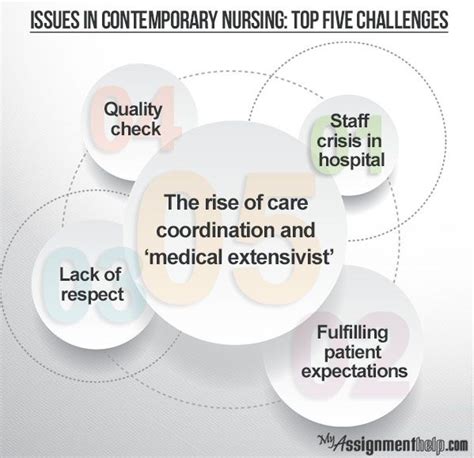
Nursing is a demanding and multifaceted profession that requires a unique blend of compassion, technical expertise, and physical and emotional resilience. While the role of a nurse is often romanticized, the reality is that nursing is far from easy.

Physical and Psychosocial Demands
Nursing involves long and often physically taxing shifts. Nurses frequently spend hours on their feet, lifting patients, and performing strenuous tasks. They are also exposed to bodily fluids, infectious diseases, and potentially hazardous substances. According to the American Nurses Association (ANA), over 60% of nurses experience back pain and 45% suffer from muscle strains.
Moreover, nurses encounter a wide range of psychosocial challenges. They provide emotional support to patients and their families, witnessing both joy and suffering. They deal with complex medical conditions, make life-altering decisions under pressure, and handle emergencies that can be emotionally and psychologically draining.
Intellectual Demands
Nursing is an intellectually demanding field that requires a deep understanding of human anatomy, physiology, pharmacology, and nursing theory. Nurses must constantly stay abreast of new medical advancements and technologies. They also need strong critical thinking, analytical, and problem-solving skills.
Emotional Demands
Nurses witness human suffering and loss on a daily basis. They provide care to patients in their most vulnerable moments, offering comfort and support. This exposure to emotional distress can take a toll on nurses’ well-being. A study published in the Journal of Advanced Nursing found that nurses have an increased risk of depression, anxiety, and post-traumatic stress disorder (PTSD).
Educational Challenges
Becoming a nurse requires significant time and financial investment. Most nurses obtain a Bachelor of Science in Nursing (BSN), which typically takes four years to complete. After graduating, they must pass a national certification exam to become licensed. Additionally, nurses often pursue advanced degrees (Master’s or Doctorates) to expand their knowledge and career opportunities.
Shortage of Nurses
The nursing profession is facing a global shortage. According to the World Health Organization (WHO), the world needs 9 million more nurses by 2030. This shortage is driven by factors such as an aging population, the rise of chronic diseases, and a lack of investment in nursing education and workforce development.
Stepping into Nursing Despite the Challenges
Nursing is undoubtedly a challenging profession, but it is also one of the most rewarding. Nurses play a vital role in improving the lives of others and making a meaningful contribution to society. If you are considering a career in nursing, it is important to be aware of the challenges involved. However, with resilience, dedication, and a passion for helping others, you can navigate these challenges and find fulfillment in the nursing profession.
Physical Demands:
- Maintain a healthy weight and exercise regularly.
- Practice proper body mechanics when lifting patients and performing other tasks.
- Use assistive devices and ask for help when needed.
Psychosocial Demands:
- Seek support from colleagues, family, and friends when needed.
- Practice self-care techniques such as meditation, mindfulness, and exercise.
- Set boundaries and learn to say no to additional work or tasks.
Intellectual Demands:
- Continuously read medical and nursing literature to stay up-to-date.
- Attend conferences and workshops to expand your knowledge.
- Engage in peer-to-peer learning and share your expertise with others.
Emotional Demands:
- Develop coping mechanisms for dealing with emotional distress.
- Seek professional help from a therapist or counselor if needed.
- Practice self-compassion and recognize that it is impossible to help everyone.
Educational Challenges:
- Plan and budget for the financial costs of nursing education.
- Explore scholarships and financial aid options to reduce costs.
- Consider flexible learning options that allow you to balance work and school.
Pros:
- In-demand profession with high job security
- Opportunities for career advancement and specialization
- Make a meaningful difference in the lives of others
- Flexible work schedules and various work environments
Cons:
- Physically and emotionally demanding
- Long hours and shift work
- High stress levels
- Risk of exposure to hazardous substances and infectious diseases
- Shortage of nurses can lead to increased workloads and burnout
1. What is the average salary for a nurse?
According to the Bureau of Labor Statistics (BLS), the median annual salary for nurses is $77,600.
2. What are the different types of nursing specialties?
There are many different nursing specialties, including:
- Critical care nursing
- Emergency nursing
- Surgical nursing
- Pediatric nursing
- Psychiatric nursing
- Geriatric nursing
3. How long does it take to become a nurse?
Most nurses obtain a Bachelor of Science in Nursing (BSN), which typically takes four years to complete. After graduating, they must pass a national certification exam to become licensed.
4. What are the career prospects for nurses?
Nurses have a wide range of career opportunities, including:
- Staff nurse
- Nurse manager
- Nurse practitioner
- Nurse educator
- Nurse researcher
5. Is nursing a good career choice?
Nursing is a challenging but rewarding career that offers a wide range of opportunities. It is a profession that is in high demand and offers the chance to make a meaningful difference in the lives of others.
6. What are the challenges of nursing?
The challenges of nursing include:
- Physical and psychosocial demands
- Intellectual demands
- Emotional demands
- Educational challenges
- Shortage of nurses
7. How can I overcome the challenges of nursing?
You can overcome the challenges of nursing by implementing the strategies discussed in this article. These include:
- Managing physical demands effectively
- Coping with psychosocial demands
- Meeting intellectual demands
- Managing emotional demands
- Navigating educational challenges
8. What are the pros and cons of nursing?
The pros and cons of nursing are as follows:
Pros:
- In-demand profession with high job security
- Opportunities for career advancement and specialization
- Make a meaningful difference in the lives of others
- Flexible work schedules and various work environments
Cons:
- Physically and emotionally demanding
- Long hours and shift work
- High stress levels
- Risk of exposure to hazardous substances and infectious diseases
- Shortage of nurses can lead to increased workloads and burnout