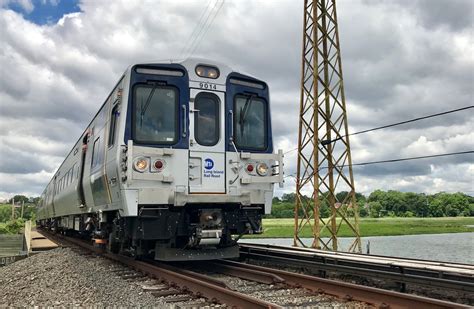
Railroad Police Officers: Guardians of Rail Lines

Railroad police officers play a crucial role in ensuring the safety and security of rail lines and passengers. They are sworn law enforcement officers who have the authority to enforce laws, investigate crimes, and protect property on railroad property.
Duties and Responsibilities
Railroad police officers have a wide range of duties and responsibilities, including:
- Patrolling railroad yards, stations, and tracks
- Enforcing railroad regulations and laws
- Investigating crimes, such as theft, vandalism, and trespassing
- Responding to emergencies, such as train derailments and hazardous materials spills
- Providing security and escorting passengers
- Enforcing trespassing and anti-loitering laws
Requirements and Qualifications
To become a railroad police officer, candidates must typically meet the following requirements:
- Be at least 21 years of age
- Have a high school diploma or equivalent
- Possess a valid driver’s license
- Pass a background check
- Complete a railroad police academy
- Be certified as a law enforcement officer
Work Environment
Railroad police officers work in a variety of environments, including:
- Railroad yards and stations
- Onboard trains
- Along railroad tracks
- Offices
They may work indoors or outdoors, and may work in all types of weather conditions.
Salary and Benefits
According to the Bureau of Labor Statistics, the median annual salary for railroad police officers was $67,290 in May 2021. The top 10% of earners made more than $93,780, while the bottom 10% earned less than $44,750.
Railroad police officers also receive a variety of benefits, such as:
- Health and dental insurance
- Retirement benefits
- Paid time off
- Tuition reimbursement
Career Outlook
The employment outlook for railroad police officers is expected to grow 5% from 2021 to 2031, about as fast as the average for all occupations. However, competition for jobs may be strong, especially in large metropolitan areas.
Benefits and Challenges of Railroad Police Jobs
Benefits:
- Job security: Railroad police officers are employed by the railroads, which are relatively stable industries.
- Good pay and benefits: Railroad police officers receive competitive salaries and benefits packages.
- Opportunity to make a difference: Railroad police officers play a vital role in ensuring the safety and security of the public.
- Variety of work: Railroad police officers perform a variety of tasks, which can keep the job interesting.
Challenges:
- Long hours: Railroad police officers often work long hours, including nights, weekends, and holidays.
- Shift work: Railroad police officers may work rotating shifts, which can be disruptive to personal life.
- Physical demands: Railroad police officers may have to perform strenuous tasks, such as lifting heavy objects and running over rough terrain.
- Exposure to danger: Railroad police officers may be exposed to dangerous situations, such as accidents and confrontations with criminals.
Strategies for Success in Railroad Police Jobs
To be successful in a railroad police job, it is important to:
- Be physically fit: Railroad police officers must be able to perform strenuous tasks.
- Have good communication skills: Railroad police officers must be able to communicate with people from all walks of life.
- Be able to work independently: Railroad police officers often work alone.
- Be able to multitask: Railroad police officers must be able to handle multiple tasks at once.
- Be able to think quickly on your feet: Railroad police officers may have to make quick decisions in dangerous situations.
Frequently Asked Questions about Railroad Police Jobs
1. What is the difference between a railroad police officer and a regular police officer?
Railroad police officers are sworn law enforcement officers who have the authority to enforce laws on railroad property. Regular police officers have the authority to enforce laws anywhere within their jurisdiction.
2. What are the different types of railroad police jobs?
There are a variety of railroad police jobs, including:
- Patrol officers: Patrol railroad yards, stations, and tracks.
- Investigative officers: Investigate crimes on railroad property.
- Escort officers: Escort passengers and protect property on trains.
- Anti-terrorism officers: Protect railroad property and passengers from terrorism.
3. How can I become a railroad police officer?
To become a railroad police officer, you must typically meet the requirements listed above and complete a railroad police academy.
4. What is the salary for a railroad police officer?
The median annual salary for railroad police officers was $67,290 in May 2021.
5. What are the benefits of a railroad police job?
Railroad police officers receive a variety of benefits, such as:
- Health and dental insurance
- Retirement benefits
- Paid time off
- Tuition reimbursement
6. What are the challenges of a railroad police job?
The challenges of a railroad police job include:
- Long hours
- Shift work
- Physical demands
- Exposure to danger
Conclusion
Railroad police jobs are a challenging but rewarding career. Railroad police officers play a vital role in ensuring the safety and security of rail lines and passengers. If you are interested in a career in law enforcement, a railroad police job may be a good option for you.
Resources
- Bureau of Labor Statistics: Railroad Police Officers
- National Railroad Police Officers Association
- International Association of Railroad Police
Keywords
- Railroad police
- Railroad police officers
- Railroad law enforcement
- Railroad security
- Rail lines
- Passengers