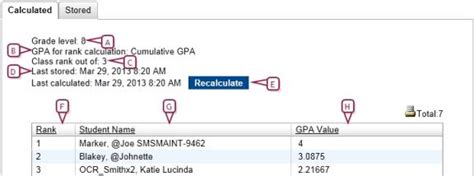
As a student, understanding your class rank is crucial for tracking your academic progress, setting goals, and making informed decisions about your future. This guide will provide you with a step-by-step process on how to see your class rank, as well as valuable insights and tips.

Step 1: Contact Your School Registrar
The most reliable way to obtain your class rank is by contacting your school’s registrar.
- Advantages: The registrar has the most accurate and up-to-date information on your academic standing.
- Disadvantages: You may need to make an appointment or submit a request in person or via email.
Step 2: Check Your School’s Website
Some schools have online portals where students can access their academic records, including their class rank.
- Advantages: Convenient and accessible from anywhere with an internet connection.
- Disadvantages: Not all schools offer online access to class rankings, and the availability of information may vary.
Step 3: Ask Your Teacher or Counselor
Your teacher or counselor may also be able to provide you with your class rank.
- Advantages: They can give you personalized guidance and support.
- Disadvantages: They may not have immediate access to the most up-to-date information.
Understanding Class Rank
Class rank refers to your position within your graduating class, based on your academic performance. It is typically determined by your GPA and other factors such as standardized test scores.
Types of Class Rank
- Percentile Rank: Indicates the percentage of students in your class you rank above. For example, a percentile rank of 90 means you rank higher than 90% of your classmates.
- Quartile Rank: Divides the class into quartiles (top 25%, 2nd quartile, 3rd quartile, bottom 25%).
- Decile Rank: Divides the class into deciles (top 10%, 2nd decile, etc.).
Importance of Class Rank
Class rank can play a significant role in:
- College Admissions: Many colleges use class rank to assess the competitiveness of applicants.
- Scholarships and Awards: Some scholarships and awards are awarded based on class rank.
- Academic Recognition: High class rank can bring recognition and appreciation from your peers and teachers.
Tips for Improving Class Rank
- Maintain a High GPA: Focus on earning high grades in all your classes.
- Take Advanced Courses: Challenge yourself with Honors, AP, or IB classes to boost your GPA and stand out from the crowd.
- Excel in Standardized Tests: Prepare thoroughly for standardized tests like the SAT or ACT, which can significantly impact your class rank.
- Seek Help When Needed: Don’t hesitate to ask for help from teachers, tutors, or counselors if you need support with any academic challenges.
Tables Summarizing Class Rank Information
| Type of Class Rank | Calculation Method | Example |
|---|---|---|
| Percentile Rank | Percentage of students ranked below | 90th percentile (higher than 90% of classmates) |
| Quartile Rank | Divides class into four equal portions | Top quartile (among the top 25% of classmates) |
| Decile Rank | Divides class into ten equal portions | 5th decile (among the 50-60% of classmates) |
| Numerical Rank | Exact numerical position within the class | 15th out of 200 students |
| Advantages of High Class Rank | Disadvantages of High Class Rank |
|---|---|
| Increased competitiveness for college admissions | Academic pressure and expectations |
| Eligibility for scholarships and awards | Intense competition with peers |
| Recognition and praise | Stress and anxiety |
Frequently Asked Questions
1. How often is class rank updated?
- Class rank is typically updated at the end of each semester or grading period.
2. What if I have transferred schools?
- Your class rank may be recalculated when you transfer schools, based on your new school’s policies.
3. Is class rank the only indicator of academic success?
- No, class rank is just one measure of academic achievement. Other important factors include your GPA, extracurricular activities, and personal qualities.
4. How can I improve my class rank?
- Focus on maintaining a high GPA, taking challenging courses, excelling in standardized tests, and seeking support when needed.
5. Should I be concerned if my class rank is low?
- Not necessarily. Class rank is just one indicator of academic performance. Focus on your own progress and seek support if you are struggling.
6. How can I use my class rank to achieve my goals?
- Use your class rank to set realistic goals for college admissions, scholarships, and academic pursuits.
Conclusion
Understanding your class rank is essential for making informed decisions about your academic future. By following the steps outlined in this guide, you can easily access your class rank and use it to your advantage. Remember, class rank is just one indicator of your success, so focus on your own progress and set goals that align with your aspirations.