Introduction
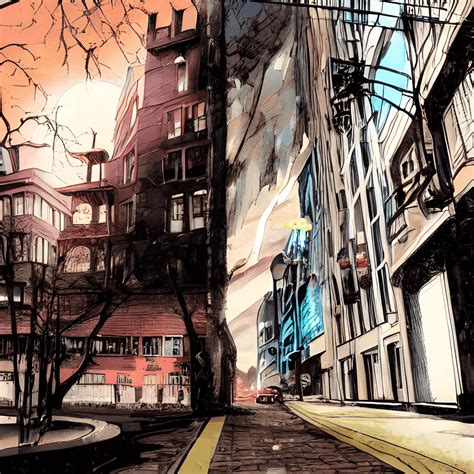
Anime, with its distinctive visual style and captivating storylines, has become a global phenomenon. Its influence has permeated various industries, including graphic design, giving rise to a burgeoning subculture known as anime graphic design. This article explores the intricacies of anime graphic design, examining its history, significant elements, and profound impact on the wider visual arts landscape.

Historical Origins and Evolution
The roots of anime graphic design can be traced back to the early days of Japanese animation in the 1900s. However, it was during the post-war era that anime began to establish its unique aesthetic. Animators such as Osamu Tezuka and Hayao Miyazaki played instrumental roles in popularizing the distinctive visual language that characterizes anime today.
Key Elements of Anime Graphic Design
Anime graphic design is known for several key elements that set it apart from other graphic design styles:
- Bold Lines and Sharp Angles: Anime designs often feature thick, clean lines and sharp angles, creating a striking and dynamic visual effect.
- Exaggerated Facial Expressions and Body Proportions: Anime characters are frequently portrayed with exaggerated facial expressions and body proportions, conveying emotions and enhancing character development.
- Vibrant Colors and High Contrast: Anime designs often incorporate vibrant colors and high contrast, capturing the attention and drawing the viewer into the world of the artwork.
- Dynamic Composition and Movement: Anime graphic designers utilize dynamic composition and movement to create a sense of energy and excitement in their designs.
Impact on Visual Arts
Anime graphic design has had a significant impact on the broader visual arts landscape. Its influence is evident in:
- Commercial Advertising: Anime aesthetics have been adopted by advertisers to appeal to a younger demographic and create memorable campaigns.
- Video Game Design: The visual styles and character designs of anime have heavily influenced video game development, particularly in the RPG and fighting game genres.
- Character Design: Anime graphic design techniques have been widely adopted by character designers, creating iconic characters recognizable around the world.
- Motion Graphics: The fluidity and dynamism of anime animation have inspired motion graphic designers to create visually stunning and engaging content.
Applications and Examples
Anime graphic design has found applications in a diverse range of fields, including:
- Anime Production: The creation of original anime series, films, and OVAs.
- Merchandise Design: The development of merchandise such as figurines, clothing, and other collectibles inspired by anime characters and stories.
- Promotional Content: The production of posters, trailers, and other promotional materials to promote anime releases.
- Fan Art and Cosplay: The creation of fan-generated art and costumes based on existing anime characters.
- Education and Research: The study and analysis of anime graphic design as a cultural and artistic phenomenon.
Benefits of Anime Graphic Design
Utilizing anime graphic design techniques provides several benefits:
- Strong Emotional Connection: Anime designs can evoke strong emotional responses due to their exaggerated expressions and dynamic compositions.
- Memorable and Distinctive Visuals: The unique aesthetics of anime graphic design create memorable and distinctive visuals that stand out from the crowd.
- Cultural Relevance: Anime has a vast and passionate global fan base, making anime graphic design a relevant and engaging style for a wide audience.
- Artistic and Creative Expression: Anime graphic design allows designers to explore their artistic creativity and express themselves through visually captivating designs.
Why Anime Graphic Design Matters
Anime graphic design is not merely a niche subculture but a significant contributor to the world of visual arts. It has played a pivotal role in shaping the visual aesthetics of modern animation, advertising, and other creative industries. Its influence transcends cultural boundaries, inspiring artists and designers worldwide.
Tips and Tricks for Anime Graphic Design
For aspiring anime graphic designers, here are some useful tips and tricks:
- Study Anime Anatomy: Familiarize yourself with the basic anatomy and proportions of anime characters to accurately portray them in your designs.
- Experiment with Color and Contrast: Explore different color palettes and contrast ratios to create visually striking and dynamic designs.
- Use Reference Images: Use existing anime artwork as reference to study and improve your own designs.
- Practice Regularly: The key to mastering anime graphic design is consistent practice and experimentation.
- Seek Feedback and Critique: Share your work with others and seek feedback to identify areas for improvement and refine your designs.
Conclusion
Anime graphic design is a vibrant and constantly evolving subculture that has revolutionized the visual arts landscape. Its ability to evoke emotions, create memorable visuals, and connect with audiences makes it a powerful tool for artistic expression and visual communication. As anime continues to capture the hearts and imaginations of viewers worldwide, we can expect to see the continued growth and impact of anime graphic design in the years to come.