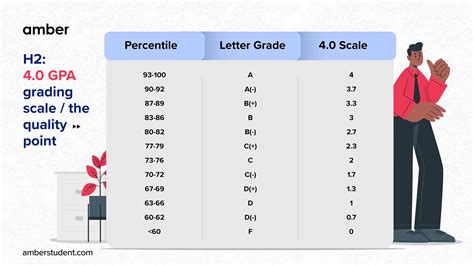
For students pursuing higher education at American University, maintaining a strong grade point average (GPA) is crucial for academic success, scholarship eligibility, and post-graduate opportunities. This comprehensive guide will provide you with a thorough understanding of AU’s grading system, factors influencing your GPA, strategies for improvement, and the benefits of achieving a high GPA.

AU’s Grading System
American University follows a 4.0 grading scale, where:
| Letter Grade | Numerical Grade | Quality Points |
|---|---|---|
| A+ | 4.0 | 4.00 |
| A | 4.0 | 4.00 |
| A- | 3.67 | 3.67 |
| B+ | 3.33 | 3.33 |
| B | 3.0 | 3.00 |
| B- | 2.67 | 2.67 |
| C+ | 2.33 | 2.33 |
| C | 2.0 | 2.00 |
| C- | 1.67 | 1.67 |
| D+ | 1.33 | 1.33 |
| D | 1.0 | 1.00 |
| D- | 0.67 | 0.67 |
| F | 0.0 | 0.00 |
Factors Influencing Your GPA
Multiple factors can impact your GPA, including:
- Course Difficulty: Higher-level courses tend to have a lower average GPA due to their more rigorous content and expectations.
- Class Format: Online and hybrid courses may offer different challenges and opportunities compared to traditional face-to-face classes.
- Professor Grading Policies: Professors may have varying grading standards and expectations, which can affect your grade.
- Personal Study Habits: Strong study habits, including consistent attendance, thorough preparation, and effective time management, contribute to higher GPAs.
- Extracurricular Activities: While extracurricular activities can enhance your college experience, they can also require significant time investment, which may impact your academic performance.
Strategies for GPA Improvement
Improving your GPA requires a multifaceted approach:
- Set Realistic Goals: Don’t aim for perfection; instead, focus on incremental improvements over time.
- Attend Class Regularly: Physical or virtual attendance is essential for absorbing course material, engaging with professors, and participating in discussions.
- Prepare for Classes: Read assigned readings, take notes during lectures, and complete assignments on time.
- Seek Help When Needed: Don’t hesitate to reach out to professors, teaching assistants, or tutoring services for clarification and support.
- Manage Your Time Effectively: Create a balanced schedule that prioritizes academics, extracurricular activities, and personal life.
- Take Advantage of Resources: Utilize the university’s academic support services, including writing centers, math labs, and study groups.
- Evaluate Your Study Habits: Identify areas where you can improve your study techniques and make necessary adjustments.
- Reward Yourself: Celebrate your academic achievements, both big and small, to stay motivated and on track.
Why GPA Matters
Maintaining a high GPA offers numerous benefits:
- Scholarship Eligibility: Many scholarships and grants require a minimum GPA for eligibility.
- Research Opportunities: Research labs and fellowships often prioritize students with strong academic records.
- Graduate School Admissions: A high GPA is a key factor in gaining admission to competitive graduate programs.
- Job Applications: Employers value candidates with a strong academic background, as it demonstrates your intellectual capabilities and commitment to excellence.
- Personal Satisfaction: A high GPA can boost your confidence, self-esteem, and sense of accomplishment.
Tips and Tricks
- Utilize Office Hours: Meet with professors during office hours to clarify concepts, discuss assignments, and seek feedback.
- Form Study Groups: Collaborating with peers can enhance understanding, foster a sense of accountability, and provide a support network.
- Use Active Recall: Regularly test yourself on course material to strengthen retention and improve recall.
- Get Enough Sleep: Sufficient sleep is crucial for cognitive function and academic performance.
- Practice Self-Care: Prioritize your mental and physical well-being through exercise, healthy eating, and stress management.
- Maximize Technology: Use note-taking apps, digital flashcards, and educational websites to enhance your study experience.
- Engage in Reflection: Regularly reflect on your study habits, identify areas for improvement, and make necessary adjustments.
- Seek Feedback from Others: Ask professors, peers, or a trusted mentor for feedback on your assignments and presentations to identify areas for growth.
Step-by-Step Approach to GPA Improvement
- Establish Baseline: Calculate your current GPA and identify areas for improvement.
- Set Goals: Determine realistic GPA improvement goals for each semester.
- Develop Study Plan: Create a detailed study plan that outlines daily study hours, course assignments, and exam preparation strategies.
- Implement Strategies: Put the improvement strategies discussed in this guide into practice.
- Monitor Progress: Track your GPA regularly and make adjustments to your study plan as needed.
- Seek Support: Utilize university resources and connect with peers or mentors for support and guidance.
- Celebrate Success: Recognize and reward yourself for your efforts and accomplishments.
Conclusion
Maintaining a strong GPA at American University requires dedication, perseverance, and effective study strategies. By understanding the university’s grading system, identifying factors influencing your GPA, implementing improvement strategies, and recognizing the benefits of a high GPA, you can maximize your potential for academic success and personal growth. Remember, improving your GPA is a process that takes time and effort, but the rewards are well worth the investment.