Navigating the labyrinth of college tuition can be a daunting task, especially for prospective students and families. If Arcadia University has captured your attention, understanding the tuition landscape is crucial for informed decision-making. This comprehensive guide delves into every aspect of Arcadia University’s tuition costs, payment options, and financial aid possibilities.

Arcadia University Tuition Overview
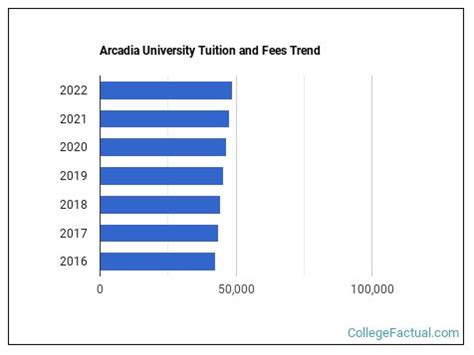
Arcadia University is a private, four-year institution located in Glenside, Pennsylvania. For the 2023-2024 academic year, full-time undergraduate tuition is set at $47,510. This includes both in-state and out-of-state students.
The university offers a variety of undergraduate programs, including arts and sciences, business, communications, and nursing. Arcadia also offers graduate programs in education, healthcare, and public administration.
Tuition Breakdown
To provide a clearer understanding of the tuition expenses, let’s break down the charges into their components:
| Expense | Cost |
|---|---|
| Tuition | $42,660 |
| Fees | $4,850 |
| Total | $47,510 |
The tuition amount covers the cost of classroom instruction, while the fees cover other expenses such as technology, student activities, and health services. It’s important to note that these fees may fluctuate slightly from year to year.
Payment Options
Arcadia University provides flexible payment options to cater to the diverse financial situations of its students. The following payment methods are available:
- Semester Payment Plan: Divide your tuition and fees into equal installments, due at the start of each semester.
- Monthly Payment Plan: Make smaller monthly payments throughout the academic year.
- Third-Party Payment Plans: Partner with organizations like Nelnet Business Solutions or Flywire to manage your tuition payments.
- Credit Cards: Pay your tuition using major credit cards, incurring applicable processing fees.
Financial Aid
Recognizing that not all students can afford the full cost of attendance, Arcadia University offers a comprehensive financial aid program. Approximately 95% of undergraduate students receive some form of financial assistance, including scholarships, grants, loans, and work-study programs.
Scholarships and Grants: Students with academic merit, financial need, or special talents may qualify for various scholarships and grants. Arcadia University awards over $40 million in scholarships annually.
Loans: Students may borrow money to cover their education expenses through federal and private student loans. It’s crucial to research and compare interest rates and repayment terms carefully before committing to any loan.
Work-Study: The Federal Work-Study Program provides part-time employment opportunities to eligible students, allowing them to earn money while pursuing their studies.
Other Expenses to Consider
In addition to tuition, there are other expenses to consider when budgeting for college. These may include:
- Room and Board: On-campus housing ranges from $8,868 to $14,128 per year.
- Books and Supplies: Approximately $1,000 to $1,500 per year.
- Transportation: Costs vary depending on individual transportation needs.
- Personal Expenses: This includes expenses like laundry, entertainment, and dining.
Tips for Managing College Tuition
Managing college tuition can seem overwhelming, but there are strategies to make it more manageable:
- Explore Financial Aid Options: Don’t hesitate to apply for scholarships, grants, and loans. Seek guidance from the university’s financial aid office to maximize your eligibility.
- Negotiate with the University: While tuition negotiation may not be common, you can always inquire about payment plans, discounts, or financial assistance packages.
- Consider Part-Time Study: Enrolling part-time can reduce your tuition expenses while still allowing you to complete your degree.
- Transfer Credits: If you have completed coursework at another institution, transferring those credits can save you both time and money.
- Seek External Scholarships: Research and apply for scholarships offered by organizations outside of the university.
The Value Proposition of Arcadia University
While tuition costs are an important factor, it’s equally crucial to consider the value proposition of the education you’re investing in. Arcadia University offers a number of advantages that contribute to its value:
Academic Excellence: Arcadia University’s programs are accredited by prestigious organizations, ensuring the quality of education. The university has a strong focus on hands-on learning, experiential experiences, and global perspectives.
Faculty and Staff: Students benefit from a dedicated faculty and staff who are passionate about teaching and mentoring. The university maintains a low student-to-faculty ratio, fostering personalized attention and support.
Career Outcomes: Arcadia University graduates are highly valued by employers due to their well-rounded education, professional skills, and global experiences. The university provides comprehensive career services to assist students in their job search.
Return on Investment (ROI): While ROI is difficult to quantify, Arcadia University alumni typically experience a high ROI on their education investment. The university’s graduates earn competitive salaries and find success in various fields.
Conclusion
The decision of where to pursue your higher education is a momentous one. Arcadia University offers a transformative educational experience that extends beyond the classroom, preparing students for success in their careers and communities. While tuition costs are a significant investment, the value proposition of attending Arcadia University makes it a worthwhile investment in your future.