The NYSSMA Viola 3 Rubric is a comprehensive evaluation tool used to assess the performance of high school viola students in New York State. The rubric outlines specific criteria and expectations for each aspect of viola playing, including tone, intonation, rhythm, and technique.
Understanding the Rubric
The NYSSMA Viola 3 Rubric is divided into two main sections:
- Technical Proficiency: This section evaluates the student’s technical skills, including finger placement, bowing technique, and vibrato.
- Musicality: This section assesses the student’s ability to interpret and express music, including tone quality, intonation, and phrasing.
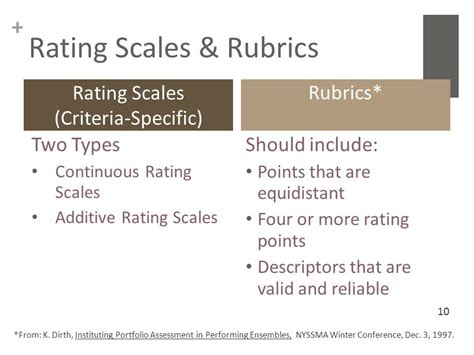
Each section is further subdivided into specific criteria, with each criterion receiving a score from 1 to 5, where 1 represents the lowest level of performance and 5 represents the highest level of performance.
Technical Proficiency
The Technical Proficiency section of the rubric evaluates the following criteria:
- Bow Control: Assesses the student’s ability to control the bow, including bow speed, pressure, and distribution.
- Finger Placement: Evaluates the student’s accuracy and finger dexterity in placing their fingers on the strings.
- Vibrato: Assesses the student’s ability to create a smooth, even vibrato.
- Shifts: Evaluates the student’s ability to shift between notes cleanly and accurately.
- Intonation: Assesses the student’s ability to play notes in tune.
Musicality
The Musicality section of the rubric evaluates the following criteria:
- Tone Quality: Assesses the student’s ability to produce a clear, resonant tone.
- Phrasing: Evaluates the student’s ability to interpret and execute musical phrases with sensitivity and expression.
- Dynamics: Assesses the student’s ability to control the volume and intensity of their playing.
- Rhythm: Assesses the student’s ability to maintain a steady, precise rhythm.
- Articulation: Assesses the student’s ability to articulate notes clearly and appropriately.
Preparing for NYSSMA Viola 3
Preparing for the NYSSMA Viola 3 requires diligent practice and focused preparation. Here are some tips for students:
- Familiarize yourself with the rubric: Thoroughly review the rubric to understand the criteria and expectations.
- Practice regularly: Dedicate sufficient time to practicing each aspect of viola playing, including scales, etudes, and repertoire pieces.
- Seek feedback: Ask your teacher or a qualified violist to provide feedback on your playing. This will help you identify areas for improvement.
- Listen critically: Pay attention to the performances of other viola players and analyze their techniques.
- Attend workshops and masterclasses: Participate in workshops and masterclasses to learn from experienced violists and improve your skills.
Conclusion
The NYSSMA Viola 3 Rubric provides a valuable framework for assessing and improving the performance of viola students. By understanding the criteria and expectations outlined in the rubric, students can focus their preparation and achieve success in their NYSSMA evaluations.