In today’s competitive business landscape, understanding your customers’ needs is crucial for success. Customer research provides valuable insights into their preferences, motivations, and pain points, enabling you to tailor your products and services accordingly. This comprehensive guide offers a step-by-step approach to conducting effective customer research that will empower your business to make informed decisions and drive growth.

Step 1: Define Your Research Objectives
Before embarking on any research project, it’s essential to define your specific research objectives. Clearly articulate what you hope to achieve and the key questions you need to answer. This will help you determine the most appropriate research methods and focus your efforts.
Step 2: Choose the Right Research Methods
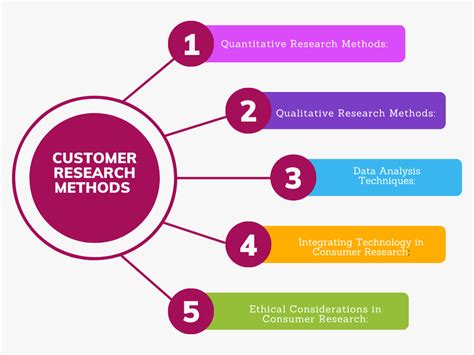
A wide range of research methods are available, each with its own strengths and weaknesses. The most suitable method will depend on the nature of your research objectives. Common methods include:
- Surveys: Gather quantitative data from a large sample of customers through standardized questionnaires.
- Interviews: Conduct in-depth conversations with a smaller number of customers to explore their experiences and perspectives.
- Focus groups: Moderate discussions among a group of customers to generate ideas and identify trends.
- Ethnographic research: Observe customers in their natural environments to gain insights into their behaviors and motivations.
Step 3: Design Your Research Tools
Once you have chosen your research methods, you need to design the appropriate research tools. This includes developing survey questions, interview protocols, or focus group discussion guides. Ensure that your tools are clear, concise, and relevant to your research objectives.
Step 4: Collect and Analyze Data
Follow ethical data collection practices to gather data from your target audience. Use rigorous analysis techniques to extract meaningful insights from the data. Quantify your findings where possible using descriptive statistics and inferential tests.
Step 5: Validate Your Findings
Validate your findings by triangulating results from multiple research methods. Share your findings with a diverse group of stakeholders to gain feedback and ensure that your conclusions are well-supported. Consider incorporating customer feedback and suggestions to refine your research and improve future research efforts.
Key Performance Metrics
To assess the effectiveness of your customer research efforts, consider the following key performance indicators:
- Customer satisfaction: Measure the extent to which customers are satisfied with your products or services.
- Customer loyalty: Track the number of repeat purchases, positive reviews, and referrals generated by your customers.
- Customer engagement: Monitor the level of interaction and engagement your customers have with your brand across multiple channels.
- Market share: Analyze the proportion of the market that your business controls, compared to competitors.
Benefits of Customer Research
Investing in customer research offers numerous benefits for businesses, including:
- Improved customer satisfaction: Identifying and addressing customer pain points leads to increased satisfaction and loyalty.
- Enhanced product and service offerings: Understanding customer needs enables you to create products and services that meet their expectations and exceed their demands.
- Competitive advantage: Gaining insights into customer preferences and motivations gives you an edge over competitors who may not prioritize research.
- Increased sales: Targeted marketing campaigns based on customer research generate higher conversion rates and drive sales.
- Improved decision-making: Data-driven decisions based on customer insights reduce risk and enhance business outcomes.
Real-World Impact
Numerous organizations have experienced significant benefits from conducting customer research. For example:
- Netflix: Uses customer feedback to personalize movie and TV show recommendations, resulting in increased viewership and subscription growth.
- Walmart: Conducts regular customer surveys to identify trends and make informed decisions about product assortment, pricing, and store operations.
- Airbnb: Leverages customer insights to improve the user experience, enhance safety measures, and expand its global reach.
Call to Action
In today’s customer-centric business environment, conducting effective customer research is not a luxury but a necessity. By following the steps outlined in this guide, you can gain invaluable insights into your customers’ needs, preferences, and pain points. This knowledge will empower you to create products and services that resonate with your target audience, drive growth, and build a loyal customer base. Embark on your customer research journey today and reap the rewards of enlightened decision-making.