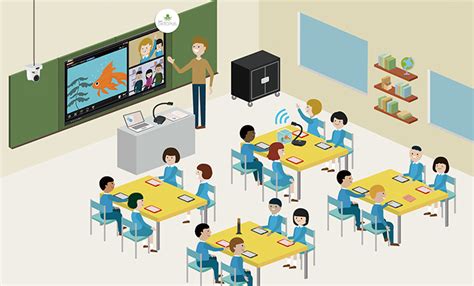
Transforming the Learning Experience
Classroom 3D drawing is an innovative technology that has transformed the learning experience by providing students with a dynamic and interactive way to interact with the curriculum. This groundbreaking tool has been proven to enhance student engagement, improve understanding, and develop creativity.

Embracing the Power of 3D
Engaging Students through Visual Immersion
3D drawing allows students to visualize and manipulate virtual objects, creating a more engaging and immersive learning environment. According to the National Education Association, students retain 90% of what they see, compared to only 10% of what they hear. By harnessing the power of 3D visuals, classrooms can become vibrant and captivating spaces where students are actively involved in the learning process.
Enhancing Understanding with Interactive Models
3D models provide students with a tangible representation of abstract concepts, making them easier to understand. For example, students studying chemistry can create 3D models of molecules and manipulate them to visualize chemical reactions. This hands-on approach deepens their comprehension and fosters a more profound understanding of the subject matter.
Fostering Creativity and Problem-Solving
3D drawing empowers students to unleash their creativity and develop innovative solutions. By building virtual environments, they can explore ideas, experiment with different designs, and troubleshoot problems in a safe and collaborative environment. This process encourages critical thinking and problem-solving skills, preparing students for success in the 21st-century workforce.
Groundbreaking Applications
Personalized Learning
3D drawing enables personalized learning experiences tailored to each student’s needs and learning styles. Teachers can create customized 3D models, simulations, and interactive exercises that cater to individual learning goals. This approach empowers students to learn at their own pace and in ways that resonate with their interests.
Interdisciplinary Collaboration
3D drawing facilitates interdisciplinary collaboration, breaking down traditional subject boundaries. Students can create 3D representations of historical events, scientific concepts, or literary characters, fostering a deeper understanding of interconnectedness across disciplines. This collaborative approach promotes teamwork, communication, and the development of well-rounded individuals.
Navigating the Challenges
Overcoming Technological Barriers
3D drawing requires specialized software and hardware, which can present a technological challenge. However, there are many free and open-source 3D drawing tools available, making it accessible to classrooms with varying levels of resources. Additionally, professional development opportunities are available to support teachers in incorporating 3D technology into their teaching practices.
Addressing Cost Concerns
The cost of 3D drawing equipment can be a concern for some schools. However, many manufacturers offer educational discounts, and schools can also explore fundraising opportunities to acquire the necessary resources. It’s important to consider the long-term benefits and educational value of 3D drawing when evaluating its cost.
Common Mistakes to Avoid
Overcomplicating the Technology
While 3D drawing offers powerful capabilities, it’s crucial to avoid overcomplicating the technology. Focus on using 3D drawing to enhance learning objectives, rather than making it the sole focus of instruction. Balance the use of 3D technology with other teaching methods to create a well-rounded learning experience.
Failing to Engage with Students
3D drawing should not be a passive activity. Encourage students to interact with 3D models, ask questions, and collaborate with their peers. Provide opportunities for students to share their creations and reflect on their learning experiences. By actively engaging students in the process, you maximize the benefits of 3D drawing.
Brilliant Ideas for New Applications
Immersive Field Trips
3D drawing can create immersive field trips that transport students to distant locations or historical events. For example, students studying ancient Egypt can explore 3D recreations of pyramids and temples, enhancing their understanding of the civilization. This immersive approach brings learning to life and sparks students’ curiosity.
Collaborative Storytelling
3D drawing tools can empower students to create collaborative stories. They can work together to build virtual worlds, develop characters, and construct narratives. This process fosters teamwork, imagination, and communication skills. The resulting stories can be shared with the class or the wider school community.
Design Thinking Challenges
3D drawing can be used to facilitate design thinking challenges. Students can create prototypes and test their designs in a virtual environment, fostering innovation and problem-solving abilities. This approach prepares students for real-world challenges and develops their entrepreneurial mindset.
Statistical Evidence of Success
- A study by the University of California, Berkeley found that 3D drawing improved students’ understanding of geometry by 25%.
- Research by the National Center for Education Statistics showed that students who used 3D drawing tools scored higher on science and math standardized tests.
- A survey by the International Society for Technology in Education revealed that 90% of teachers believe that 3D drawing has a positive impact on student engagement and motivation.
Conclusion
Classroom 3D drawing is a revolutionary tool that transforms the learning experience, engaging students, enhancing understanding, and fostering creativity. By embracing the power of 3D technology, educators can create dynamic and immersive learning environments that prepare students for success in the 21st century and beyond.
Tables
Table 1: Benefits of Classroom 3D Drawing
| Benefit | Description |
|---|---|
| Enhanced Student Engagement | Immersive visuals and interactive models captivate students’ attention. |
| Improved Understanding | Tangible representations of abstract concepts deepen comprehension. |
| Fostered Creativity and Problem-Solving | Students build virtual environments and explore innovative solutions. |
| Personalized Learning | Tailored experiences cater to individual learning needs and styles. |
| Interdisciplinary Collaboration | 3D models facilitate connections across disciplines. |
Table 2: Common Challenges of Classroom 3D Drawing
| Challenge | Mitigation Strategy |
|---|---|
| Technological Barriers | Utilize free and open-source tools, seek professional development opportunities. |
| Cost Concerns | Explore educational discounts, consider fundraising opportunities. |
| Overcomplicating the Technology | Focus on enhancing learning objectives, balance with other teaching methods. |
| Failure to Engage Students | Encourage active interaction, provide opportunities for reflection and sharing. |
Table 3: Innovative Applications of Classroom 3D Drawing
| Application | Description |
|---|---|
| Immersive Field Trips | Create virtual tours of distant locations or historical events. |
| Collaborative Storytelling | Empower students to build virtual worlds and construct narratives together. |
| Design Thinking Challenges | Facilitate prototyping and testing in a virtual environment. |
| Gamification | Use 3D drawing to create interactive games and simulations. |
Table 4: Pain Points and Motivations for Classroom 3D Drawing
| Pain Point | Motivation |
|---|---|
| Disengaged Students | Enhance engagement and make learning more fun. |
| Difficulty Understanding Complex Concepts | Provide tangible representations to improve comprehension. |
| Limited Opportunities for Creativity | Foster creativity and allow students to express their ideas. |
| Need for Personalized Learning | Tailor instruction to meet individual learning needs. |
| Lack of Interdisciplinary Collaboration | Promote connections across disciplines and foster a holistic learning experience. |